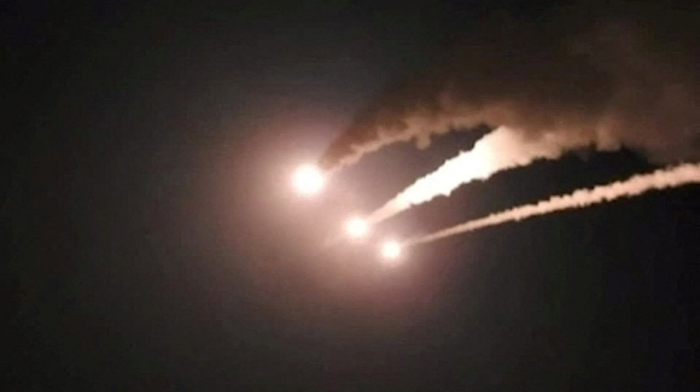
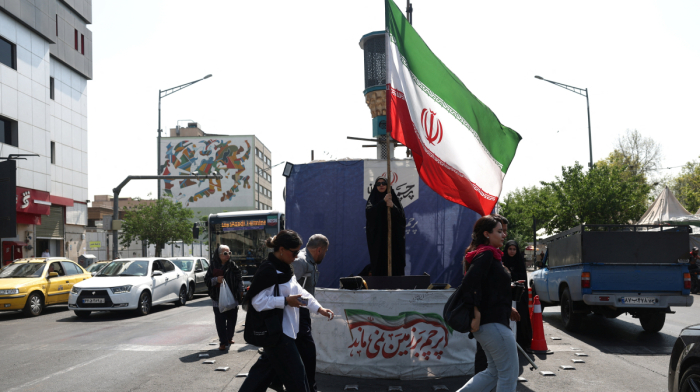
The United Nations Educational, Scientific and Cultural Organization (UNESCO) has warned that escalating conflict in Iran and the wider region is placing multiple World Heritage sites at risk, with reports of damage to historic monuments caused by nearby airstrikes and shockwaves.
The organisation said it is closely monitoring the situation and has shared the geographical coordinates of protected sites with relevant parties in an effort to reduce the risk of further destruction under international cultural protection frameworks.
The developments come amid reports that several cultural sites across Iran, including UNESCO-listed locations, have been affected since the outbreak of hostilities in late February.
Damage to Iranian landmarks
Among the sites reportedly damaged is Golestan Palace in Tehran, a UNESCO World Heritage site, which is said to have been affected by debris and shockwaves following an airstrike near Aragh Square, located within its buffer zone.
Further damage has also been reported in Isfahan, home to some of Iran's most significant architectural heritage, including Chehel Sotoun Palace, part of the UNESCO-listed Persian Gardens. Reports indicate broken tiles, damaged frescoes, cracked mirrorwork and shattered windows.
The nearby Ali Qapu Palace, located on Naqsh-e Jahan Square, has also reportedly suffered structural damage, including broken windows and dislodged decorative tilework.
Masjed-e Jameh, Iran's oldest Friday mosque and another UNESCO-listed site in Isfahan, is also reported to have sustained damage, including impacts to its structure and decorative elements.
UNESCO said the sites reflect centuries of Islamic architectural development and form part of a globally significant cultural landscape.
Wider threat across the Middle East
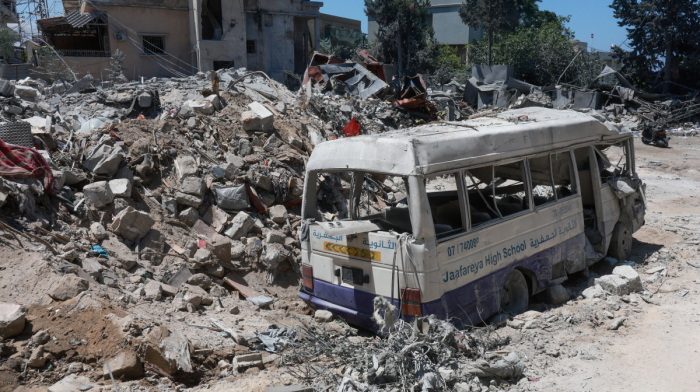
UNESCO has warned that cultural property across multiple countries is increasingly at risk due to ongoing hostilities, including sites in Iraq, Lebanon, Syria, Yemen and elsewhere.
The ancient city of Tyre, a UNESCO World Heritage site on Lebanon's southern coast, has been affected by repeated nearby strikes during the ongoing conflict, with UNESCO and local authorities reporting damage to parts of its archaeological zones, including artefacts and structures within the Al-Bass area.
While the core site has not been officially confirmed as destroyed, the organisation has warned that shockwaves, debris and continued military activity in surrounding areas pose an increasing risk to the integrity of the wider heritage landscape.
UNESCO has also raised concerns about potential long-term deterioration and looting.
The agency stressed that cultural heritage is protected under international law, including the 1954 Hague Convention for the Protection of Cultural Property in the Event of Armed Conflict and the 1972 World Heritage Convention.
It said the damage reported so far has largely been caused by shockwaves and debris from strikes targeting nearby infrastructure rather than direct attacks on monuments.
The Blue Shield
International heritage protection groups, including the Blue Shield movement, have called for increased safeguards for cultural sites, warning that the destruction of cultural property during conflict may constitute a violation of international humanitarian law.
The Blue Shield organisation said cultural heritage represents "a tangible anchor for human identity and a shared global asset", stressing the importance of protecting both people and heritage during armed conflict.
International law concerns
Questions over potential violations of international law have also been raised in relation to remarks and past threats concerning cultural heritage sites.
Military strikes on cultural property are prohibited under international humanitarian law and may constitute war crimes under frameworks such as the 1954 Hague Convention, which aims to protect cultural heritage during armed conflict.
In this context, references have been made to earlier comments by U.S. President Donald Trump, who in January 2020 suggested Iran's cultural sites could be targeted.
More recently, at a Pentagon briefing on 2 March, U.S. Defense Secretary Pete Hegseth was quoted as expressing contempt for "stupid rules of engagement", a reference interpreted by critics as dismissive of established legal protections designed to limit civilian harm.
The U.S. Committee of the Blue Shield said it was "disturbed" by the remarks, warning that failure to comply with international humanitarian law and related conventions could amount to the commission of war crimes.















What is your opinion on this topic?
Leave the first comment