Follow the latest developments and global reaction after the U.S. and Israel launched “major combat operations” in Iran, prompting retaliation from Tehran.
Latest developments
16:21 GMT | We’re closing the live blog now.
Today’s coverage tracked escalating military exchanges between Iran and Israel, regional security responses and international reaction following the reported killing of Iran’s Supreme Leader. As the situation remains fluid, further verified updates will be published as they emerge.
⦿ 15:24 GMT | UPDATE
Three U.S. service members killed, Centcom confirms
Three U.S. service members have been killed in action, U.S. Central Command (Centcom) has confirmed, marking the first known American fatalities since Washington began striking Iran on Saturday.
Five other personnel have been seriously wounded, the military said.
Centcom added that the names of the three service members will not be released until 24 hours after their families have been notified.
In announcing the operation, U.S. President Donald Trump warned that casualties were possible, saying “the lives of American heroes may be lost” and that such losses “often happen in war”.
⦿ 15:16 GMT | UPDATE
Foreign nationals leave Iran via Türkiye as regional tensions escalate
Foreign nationals have been crossing from Iran into Türkiye through the Kapıköy border gate as tensions intensify following U.S. and Israeli strikes inside Iran.
With airspace disrupted and flights suspended across parts of the Middle East, land crossings have become one of the few remaining routes out of Iran. Travellers have been using Türkiye as a transit corridor before continuing on to other destinations.
Officials at the Kapıköy crossing initially reported increased movement of foreign nationals leaving Iran. The gate was later said to have been temporarily closed, though authorities have not provided detailed information on the duration of the restriction.
AnewZ’s Alisultan Sultanzade reports from Türkiye.
Iran’s president Masoud Pezeshkian says Leadership Council has "officially begun its duties as of today"
In a video message broadcast on Sunday, Pezeshkian offered condolences over Khamenei’s death, describing it as “a great tragedy for the country”. He warned that the United States and Israel would gain “nothing but disgrace” from assassinating the leader of the Islamic Revolution.
Despite the loss, Pezeshkian said the course of “awakening, freedom and justice” would not be halted, adding that the path set out by the prophets and by Imam Khomeini would endure. Citing Article 111 of Iran’s constitution, he confirmed that a temporary Leadership Council had assumed its duties and would continue to govern in line with Khomeini and the late leader’s principles.
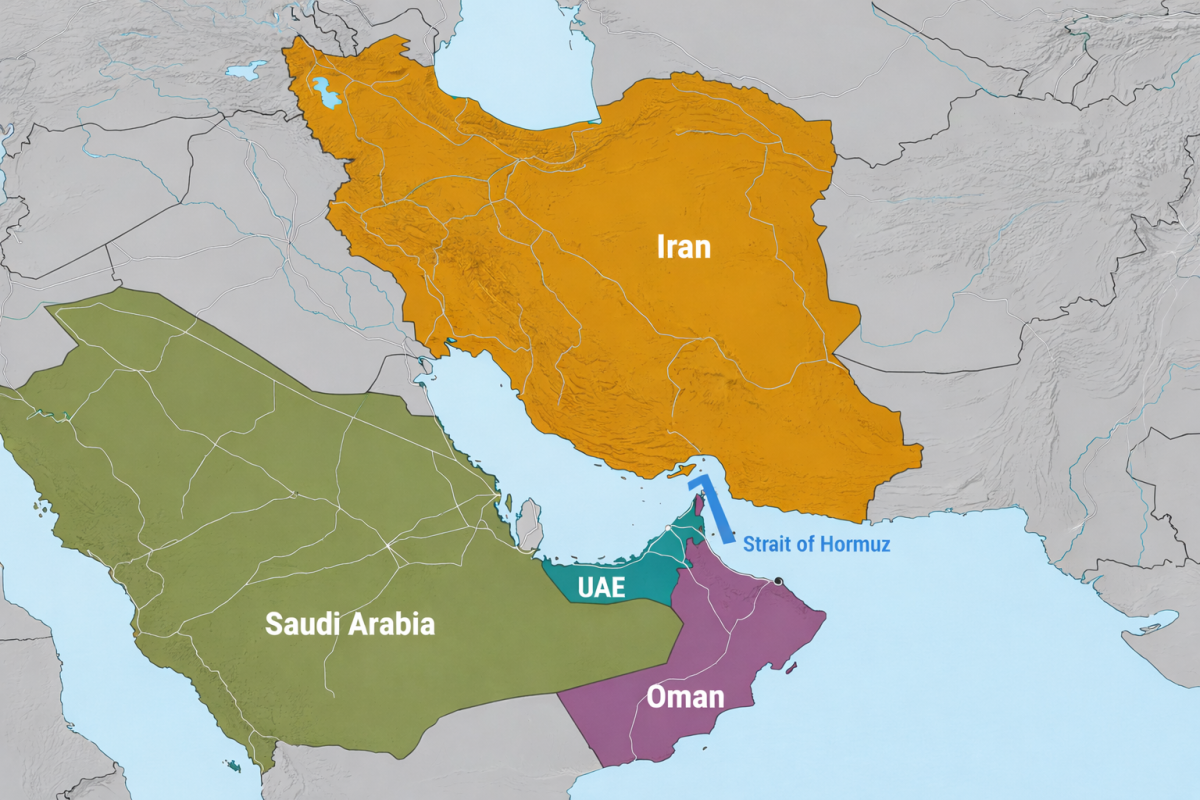
Iran confirms strike on oil tanker for “defying orders” in Strait of Hormuz
Iran confirmed on Sunday that it had attacked an oil tanker for defying orders not to cross the strategic Strait of Hormuz, according to state television, which said the vessel was “illegally attempting” to pass through the waterway.
Images circulated on social media appeared to show the tanker listing and emitting smoke after being struck.
Oman’s Maritime Security Centre said four people were injured in the incident involving the Palau-flagged tanker SKYLIGHT, which was targeted five nautical miles north of Khasab Port in Musandam Governorate. All 20 crew members, including 15 Indian and five Iranian nationals, were evacuated, the centre added.
Maersk reroutes ME11 and MECL services amid Middle East security concerns
Maersk, a Danish shipping company has announced it is pausing future Trans-Suez sailings through the Bab el-Mandeb Strait due to the deteriorating security situation in the Middle East.
In a statement, the company said all sailings on its ME11 (Middle East-India to Mediterranean) and MECL (Middle East-India to US East Coast) services will be rerouted around the Cape of Good Hope until further notice. It added that vessel crossings through the Strait of Hormuz have also been suspended, warning that services to Arabian Gulf ports may face delays or schedule adjustments.
Maersk said the safety of crews, vessels and cargo remains its top priority and that it will continue to monitor developments, while cargo acceptance to the Middle East remains open.
Reuters
⦿ 13:04 GMT | UPDATE
EU chief warns of "real risk of instability" after death of Iran’s supreme leader
European Commission President Ursula von der Leyen has warned that the killing of Iran’s supreme leader, Ayatollah Ali Khamenei, carries a serious risk of instability in the region.
"With Khamenei gone, there is renewed hope for the people of Iran. We must ensure that the future is theirs to claim and shape. At the same time, this moment carries a real risk of instability that could push the region into a spiral of violence," she wrote on X.
Her comments followed a phone call with Jordan’s King Abdullah II, during which she expressed the EU’s solidarity after Iran’s retaliatory strikes. Von der Leyen said the bloc was engaging closely with key actors and regional partners to safeguard stability, protect civilians and prevent further escalation, adding that Jordan would play a key role in the period ahead.
⦿ 11:47 GMT | UPDATE
Azerbaijan MFA: One citizen injured in region, no evacuation planned amid escalation
Aykhan Hajizada, Head of the Press Service Department of the Ministry of Foreign Affairs of Azerbaijan, said the country’s embassies and consulates in the region are operating under an enhanced regime amid ongoing military tensions. Responding to a local media inquiry, he confirmed that one Azerbaijani citizen has been injured in the region and is receiving assistance from Azerbaijan’s diplomatic mission, with their condition reported as good.
⦿ 11:35 GMT | UPDATE
Astara border crossing becomes key evacuation route amid Israel–U.S.–Iran escalation
Evacuations are underway following the latest military escalation involving Israel, the United States and Iran. The Astara crossing on the Iran–Azerbaijan border has become a key land route for foreign nationals leaving Iran.
Officials say several foreign citizens have already crossed, including 18 Saudi and three Qatari diplomatic personnel, as well as nationals from Italy, Tajikistan, Bangladesh and Pakistan. Authorities confirm that security and logistical measures are in place to ensure safe and orderly transit.
Iran president calls Khamenei killing a "declaration of war against Muslims"
Iran’s President Masoud Pezeshkian has described the killing of Supreme Leader Ayatollah Ali Khamenei in joint U.S.–Israeli strikes as a “declaration of war against Muslims”.
In a statement carried by Iranian state television, Pezeshkian said the assassination of “the highest political authority of the Islamic Republic” and a leading Shiite figure was viewed as “an open declaration of war against Muslims, and particularly against Shiites, everywhere in the world”.
He added that Iran considers it both a “legitimate duty and right” to avenge what he called a historic crime.
⦿ 10:06 GMT | UPDATE
Ayatollah Alireza Arafi appointed jurist member of Iran’s interim leadership council
Ayatollah Alireza Arafi has been appointed as the jurist member of Iran’s temporary leadership council tasked with carrying out the duties of the supreme leader, state news agency ISNA reported.
Under Iran’s constitution, a provisional council assumes the role of the supreme leader until the Assembly of Experts selects a successor.
Arafi, born in 1959 in Yazd province, is a senior Shia cleric and a member of both the Guardian Council and the Assembly of Experts. He also heads Iran’s seminary system and previously led Al-Mustafa International University, an institution overseeing religious education.
His appointment places him at the centre of the constitutional transition process.
Explosions reported in Tehran as Israel says it is striking regime targets
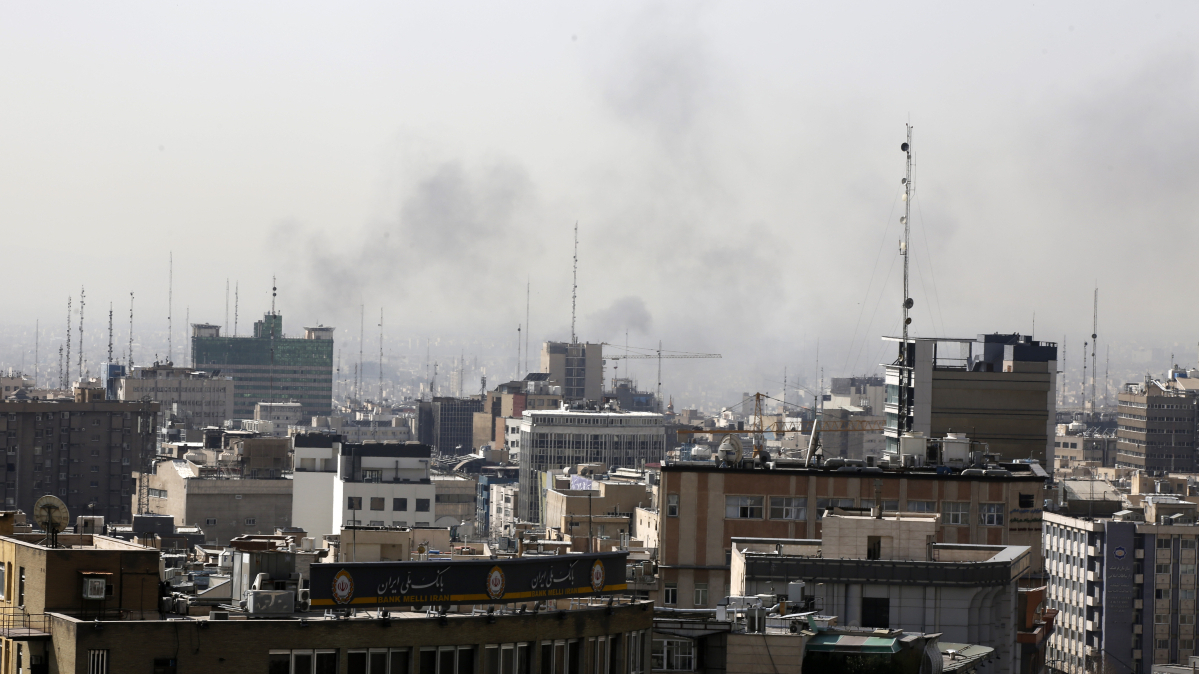
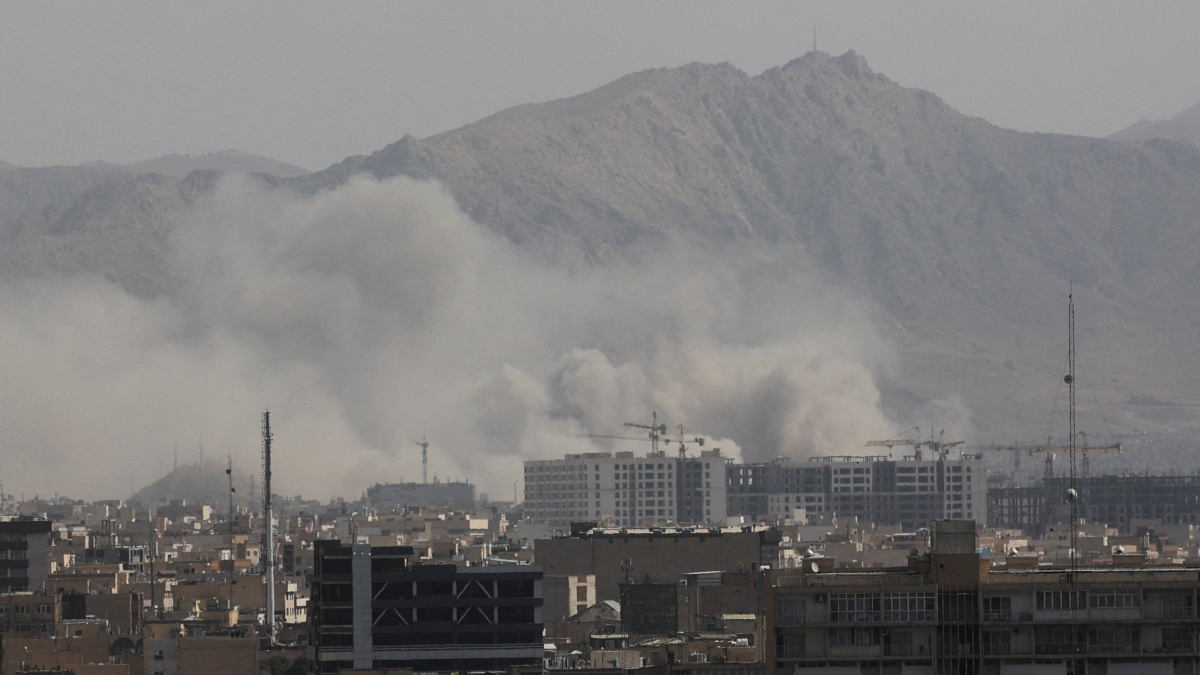
Iran’s state-run IRNA news agency has reported the sound of what it described as “terrible explosions” in Tehran, citing missile and air attacks around the Seyyed Khandan and Qasr intersections, as well as Vanak Square and Motahari Street.
The Israeli Defence Forces said it had begun a new wave of strikes against what it described as targets linked to the Iranian regime in the capital.
In a statement, the military said the Israeli Air Force had conducted large-scale strikes over the past day to establish aerial superiority and “pave the path to Tehran”.
Our correspondent Touraj Shiralilou reports from the ground with the latest developments.
Explosions were reported in several districts of the city as the situation continued to develop.
⦿ 08:50 GMT | UPDATE
How is Iran responding to the U.S.–Israeli strikes?
Iran has launched missile and drone attacks on targets in Israel and elsewhere in the region following U.S.–Israeli strikes on its territory.
Air raid sirens sounded across Tel Aviv and surrounding districts, as well as in Jerusalem and parts of the occupied West Bank, according to Israel’s Home Front Command. Alerts were also reported in Haifa and Acre.
Beyond Israel, Iranian projectiles were directed towards Gulf states hosting U.S. military assets. In Doha, heavy explosions were heard early this morning and smoke was seen rising over parts of the city. Qatar’s interior ministry said debris from an intercepted missile caused a limited fire in an industrial area. Officials said 65 missiles and 12 drones were launched the previous day, most of which were intercepted. Eight people were injured by falling fragments.
Explosions were also reported in Dubai and Manama, while Oman’s state news agency said a drone struck the country’s main commercial port. Oman has played a mediating role in U.S.–Iran talks and had previously avoided direct involvement in the hostilities.
Qatar and several other Gulf governments have condemned the strikes and said they reserve the right to respond.
Our correspondent María Rodríguez Abalde reports from the ground with the latest.
The situation remains volatile, with further alerts and security measures continuing across the region.
⦿ 08:43 GMT | UPDATE
Pro-Iran protests erupt in Baghdad after U.S.–Israeli strikes
Large groups of pro-Iran demonstrators gathered and marched along a road beneath a viaduct in Baghdad on Sunday, following U.S. and Israeli strikes on Iran.
Security forces fired tear gas and loud blasts were heard as authorities sought to prevent protesters from reaching the U.S. embassy in the capital’s heavily fortified Green Zone.
Israel says it dropped more than 1,200 munitions on Iran in one day
Israel’s air force said it dropped more than 1,200 munitions on targets across Iran over the past 24 hours as part of its joint operation with the United States. Among the sites reported hit was an elementary girls’ school in the southern city of Minab, in Hormozgan province. Iranian officials said at least 148 people were killed and dozens more injured in the strike.
Iran’s Foreign Minister Abbas Araghchi said “dozens of innocent children” were killed in the attack and warned that the incident “will not go unanswered”.
⦿ 08:10 GMT | UPDATE
What we know so far as U.S., Israel and Iran tension grows
The United States and Israel have launched what they described as major combat operations against targets in Iran, prompting retaliation threats from Tehran and reported attacks across the region.
Khamenei confirmed dead Iranian state media confirmed that Supreme Leader Ayatollah Ali Khamenei was killed in strikes on his office, declaring 40 days of national mourning.
Israeli officials told Reuters his body had been recovered, while Prime Minister Benjamin Netanyahu said there were signs he “is no longer”. U.S. President Donald Trump later said he believed the reports were accurate and declared that Khamenei “is dead”.
Senior officials reported killed Iranian media reported
Several senior defence figures were killed, including IRGC commander Gen Mohammad Pakpour and Defence Council secretary Ali Shamkhani. Armed forces chief of staff Abdolrahim Mousavi was also reported dead.
These claims have not been independently verified.
Casualties and strikes
Iranian media, citing the Red Crescent, said more than 200 people were killed and at least 747 injured in strikes across 24 provinces. The Israeli military said it launched additional strikes targeting ballistic missile and air defence systems, with explosions reported in Tehran.
Iranian retaliation
The Islamic Revolutionary Guard Corps vowed to “decisively avenge” Khamenei’s killing, warning of imminent attacks on U.S. bases and Israel.
Trump warning
Trump warned that any Iranian strike would be met with “a force that has never been seen before”, after Tehran signalled it would respond strongly.
Bahrain’s interior ministry said residential buildings in Manama were hit.
Qatar was reportedly targeted by missiles and drones, according to an official briefed on the assaults.
What remains unclear
The full extent of casualties, the scale of further retaliation and the broader regional impact remain uncertain as the situation continues to develop.
⦿ 05:33 GMT | UPDATE
Trump warns Iran
U.S. President Donald Trump warned that Iran has indicated it plans to strike “very hard” today, cautioning that any such attack would be met with a response delivered with “a force that has never been seen before”.
Iran’s top defence officials reportedly killed in U.S.–Israeli strikes
The reports indicated that several senior Iranian defence officials were killed in the strikes.
Among them was Gen. Mohammad Pakpour, commander of the Islamic Revolutionary Guard Corps (IRGC), according to multiple Iranian outlets.
Shamkhani, 70, had been involved in negotiations with the United States over Iran’s nuclear programme.
Days before the strikes, he said: “If the main issue of the negotiations is not making nuclear weapons by Iran, this is in compliance with a religious decree issued by Iran’s leader and the country’s defence doctrine, and an immediate agreement is within reach.”
According to Iran media, Iranian armed forces chief of staff Abdolrahim Mousavi has also been killed in U.S.-Israeli strikes.
⦿ 01:38 GMT | BREAKING
Khamenei confirmed dead by Iranian media
Iranian state media have confirmed the death of Ali Khamenei, saying he was killed at his office in the early hours of Saturday, following earlier reports from Israeli and U.S. officials. State media also announced a 40-day period of mourning across Iran after his death.
Iran’s Islamic Revolutionary Guard Corps (IRGC) has vowed to “decisively avenge” the killing of Khamenei, warning that attacks on U.S. bases and Israel are imminent.
In a statement carried by Iranian state media, the IRGC said: “The most devastating offensive operation in the history of the Islamic Republic of Iran's armed forces will begin towards the occupied territories and American terrorist bases in just moments.”
⦿ 00:37 GMT | UPDATE Israeli military says it launched another round of strikes on Iran’s ballistic missile and air defence systems, with explosions reported in Tehran.
⦿ 00:25 GMT | BREAKING
Iranian state media said Iran's Supreme Leader Khamenei's daughter and grandchild were killed in the U.S. and Israeli strikes, according to Reuters.
Iran’s exiled former crown prince hails "national celebration"
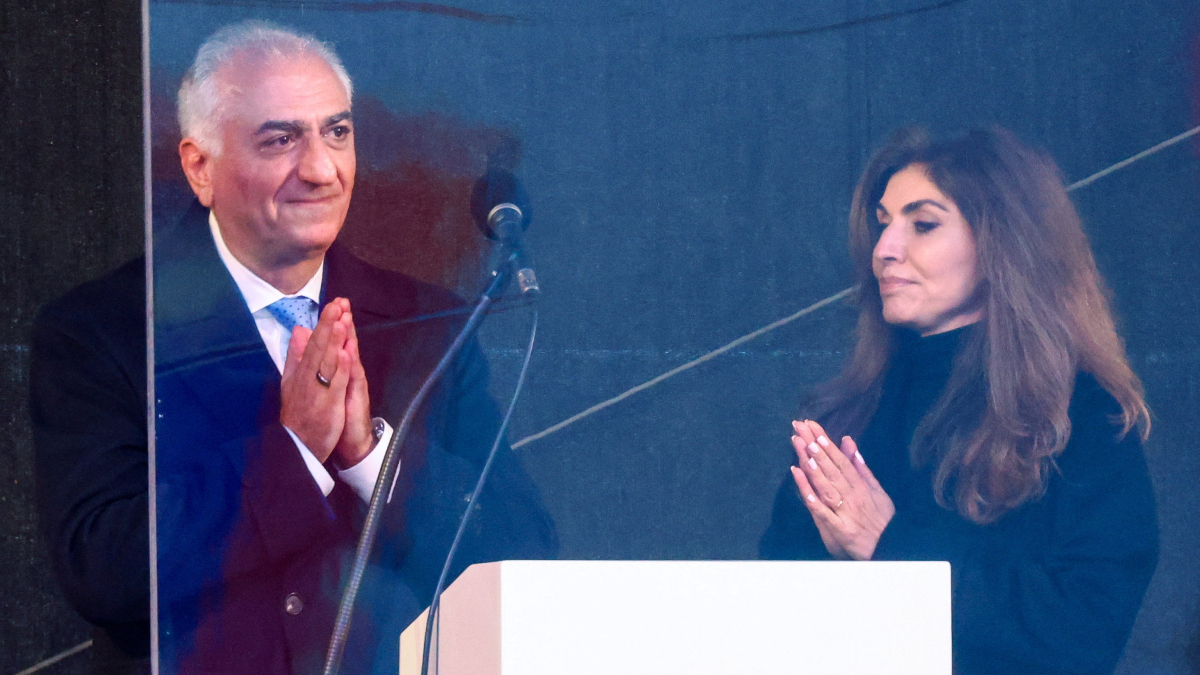
Reza Pahlavi, the son of Iran’s last monarch Mohammad Reza Pahlavi, has publicly welcomed reports that Supreme Leader Ali Khamenei has died.
In a message posted online, Pahlavi sharply criticised Khamenei’s decades in power, accusing him of overseeing repression and the deaths of thousands of Iranians. He said the clerical establishment was now effectively finished and predicted it would soon collapse.
He described the moment as the start of a “great national celebration”, while adding that further steps would be needed in the period ahead.
Reza Pahlavi, the exiled son of Iran's last shah and an Iranian opposition figure, and his wife Yasmine Pahlavi gesture from stage as they attend a demonstration organised by The Munich Circle, against the Iranian government under the motto 'Freedom for Iran', during the Munich Security Conference (MSC), in Munich, Germany, 14 February, 2026.
Reuters
Pahlavi urged officials not to move forward with naming a successor and called on members of the armed forces, security services and police to align themselves with the public, saying this was their final opportunity to stand with the people.
⦿ 21:51 GMT | BREAKING
Trump says Khamenei "is dead"
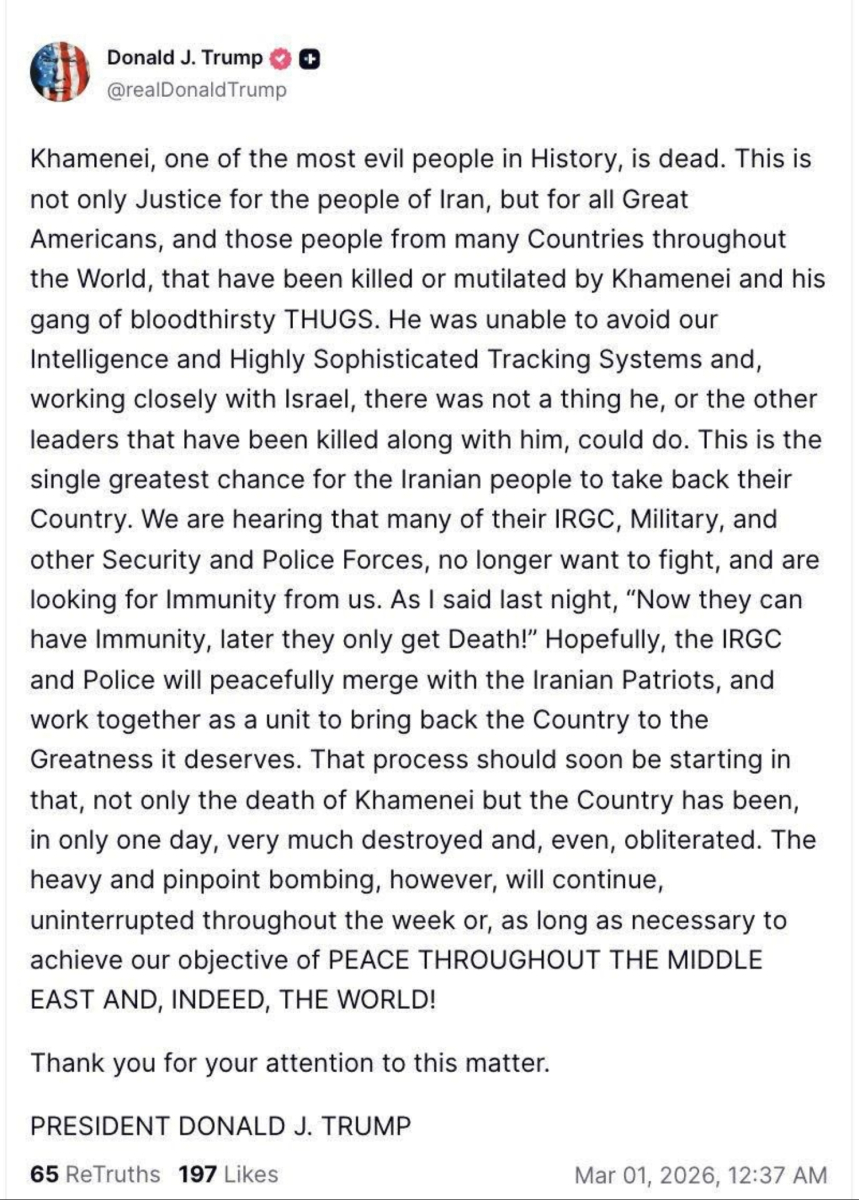
U.S. President Donald Trump released a sharply worded statement on Saturday after reports that Iranian Supreme Leader Ali Khamenei had been killed in joint U.S.-Israeli strikes.
Trump opened his remarks by declaring, “Khamenei, one of the most evil people in history, is dead,” calling it “justice for the people of Iran” and for victims “throughout the world.” He said Khamenei “was unable to avoid our intelligence and highly sophisticated tracking systems” and added that close coordination with Israel meant “there was not a thing he, or the other leaders that have been killed along with him, could do.”
He called the moment “the single greatest chance for the Iranian people to take back their country,” claiming that members of the IRGC, military, security, and police “no longer want to fight” and are seeking immunity. “Now they can have immunity, later they only get death!” he said.
Trump said he hoped Iran’s security forces would “merge with the Iranian patriots” to restore “the greatness it deserves.” He added that the country had been “very much destroyed” in a single day and said “heavy and pinpoint bombing” would continue as long as needed to achieve “peace throughout the Middle East and the world.”
@realDonaldTrump on Truth Social
⦿ 20:46 GMT | UPDATE
Trump believes reports of Khamenei's death are accurate
U.S. President Donald Trump told NBC News that he believes reports of Iran’s supreme leader being dead are accurate, saying “we feel that that is a correct story.” He added that “the people that make all the decisions, most of them are gone”.
⦿ 19:56 GMT | UPDATE
Khamenei killed in joint strikes, Israeli officials say
Iran’s supreme leader Ayatollah Ali Khamenei was killed in joint Israeli-U.S. strikes and his body was found, Israeli officials told Reuters.
There has been no official confirmation from Iran on the fate of Ali Khamenei, but semi-official state outlets, including Tasnim News Agency and Mehr News Agency, say he is “steadfast and firm in commanding the field.”
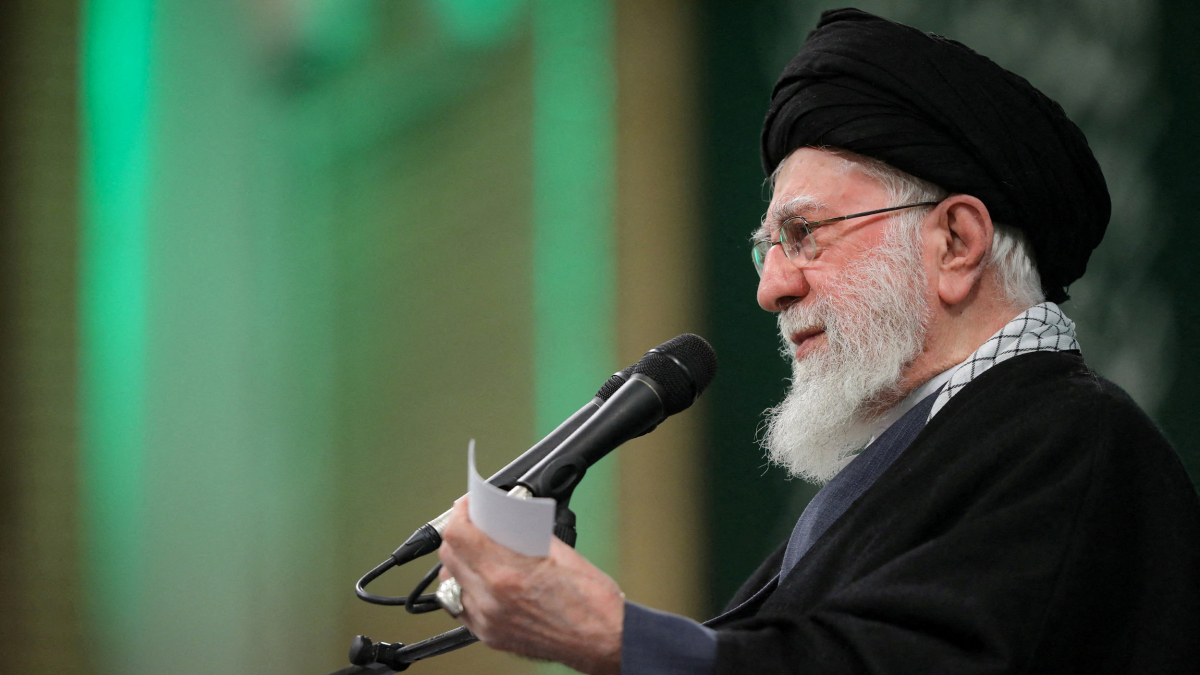
Iran's Supreme Leader Ayatollah Ali Khamenei speaks during a meeting in Tehran, Iran, 17 January, 2026.
Reuters
⦿ 18:59 GMT | UPDATE
Netanyahu says Khamenei “is no longer”
Addressing the nation, Israeli Prime Minister Benjamin Netanyahu said there were signs suggesting that Iranian Supreme Leader Ali Khamenei “is no longer”, without explicitly confirming his death. He said Israeli strikes had destroyed Khamenei’s compound and killed Revolutionary Guard commanders and senior nuclear officials as operations continued.
Netanyahu urged the Iranian people to “take to the streets en masse” to overthrow the regime.
Residential buildings were targeted in Manama, according to the Bahrain Ministry of Interior. Civil defence teams are continuing firefighting and rescue operations at the affected locations across the capital of Bahrain.
⦿ 18:05 GMT | UPDATE
Qatar targeted by 44 missiles and eight drones
Qatar was targeted by 44 missiles and eight drones during Iranian attacks on Saturday, an official briefed on the assaults told Reuters.
⦿ 17:49 GMT | UPDATE
Over 200 killed in U.S.-Israeli attacks across Iran
More than 200 people have been killed and 747 injured in U.S.-Israeli attacks that struck 24 provinces across Iran, Iranian media reported, citing the Red Crescent.
⦿ 17:35 GMT | UPDATE
Erdoğan expresses regret over strikes, calls for restraint
Turkish President Recep Tayyip Erdoğan said Türkiye deeply regrets the joint U.S.-Israeli attacks on Iran, while describing Iran’s drone and missile strikes on Gulf countries as “unacceptable”. He called for restraint and regional stability.
⦿ 17:21 GMT | UPDATE
IDF carries out largest flyover in its history
About 200 fighter jets carried out the largest flyover in the history of the Israel Defence Forces, striking missile infrastructure and air defence systems in western and central Iran, the IDF said.
⦿ 17:10 GMT | UPDATE
Drone strike reported at Kuwait International Airport
A drone strike has been reported at Kuwait International Airport, according to Kuwait News Agency. Authorities said emergency measures were activated and the situation is under control. The source of the attack has not been identified.
⦿ 17:06 GMT | UPDATE
IRGC vows to continue operations with greater force
Iranian forces will continue operations with “greater force”, a spokesperson for the Islamic Revolutionary Guard Corps said, according to Fars News Agency.
Trump and Netanyahu discuss Iran situation by phone
U.S. President Donald Trump spoke by phone with Israeli Prime Minister Benjamin Netanyahu on Saturday and will continue to closely monitor the situation in Iran with his national security team, White House spokeswoman Karoline Leavitt said.
⦿ 16:15 GMT | UPDATE
Iran warns ships against passing Strait of Hormuz
An official from the European Union’s naval mission Aspides said vessels have been receiving VHF messages from Iran’s Revolutionary Guards warning that “no ship is allowed to pass the Strait of Hormuz”. The official told Reuters that Tehran has not formally confirmed such an order, though Iran has long threatened to block the key oil route in response to attacks on the Islamic Republic.
⦿ 15:40 GMT | UPDATE
Tehran residents urged to leave the capital
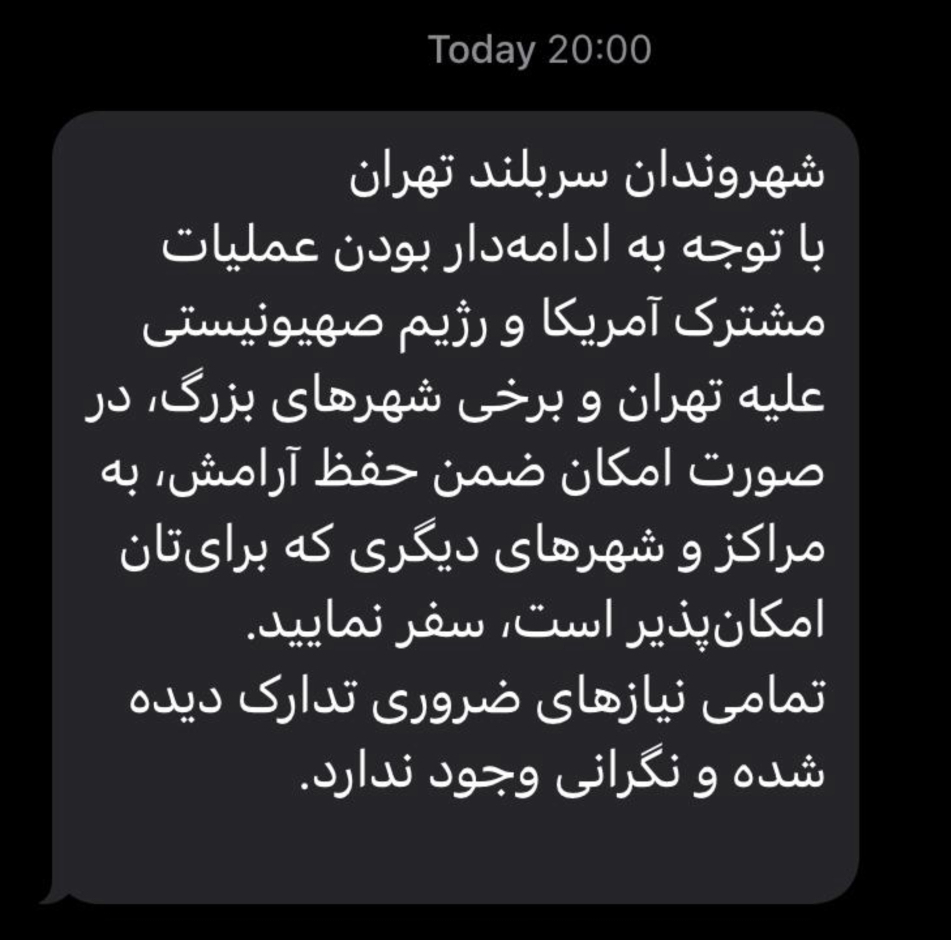
Iran’s Supreme National Security Council has issued a statement urging residents of Tehran to leave the capital if they are able to do so.
In the message, the council said: “Proud citizens of Tehran, given the ongoing joint operations by the U.S. and the Zionist regime against Tehran and some major cities, if possible, while maintaining calm, travel to other centres and cities available to you. All essential needs have been provided and there is no need to worry.”
AnewZ
⦿ 14:50 GMT | UPDATE
UK forces participate in coordinated efforts, Starmer says
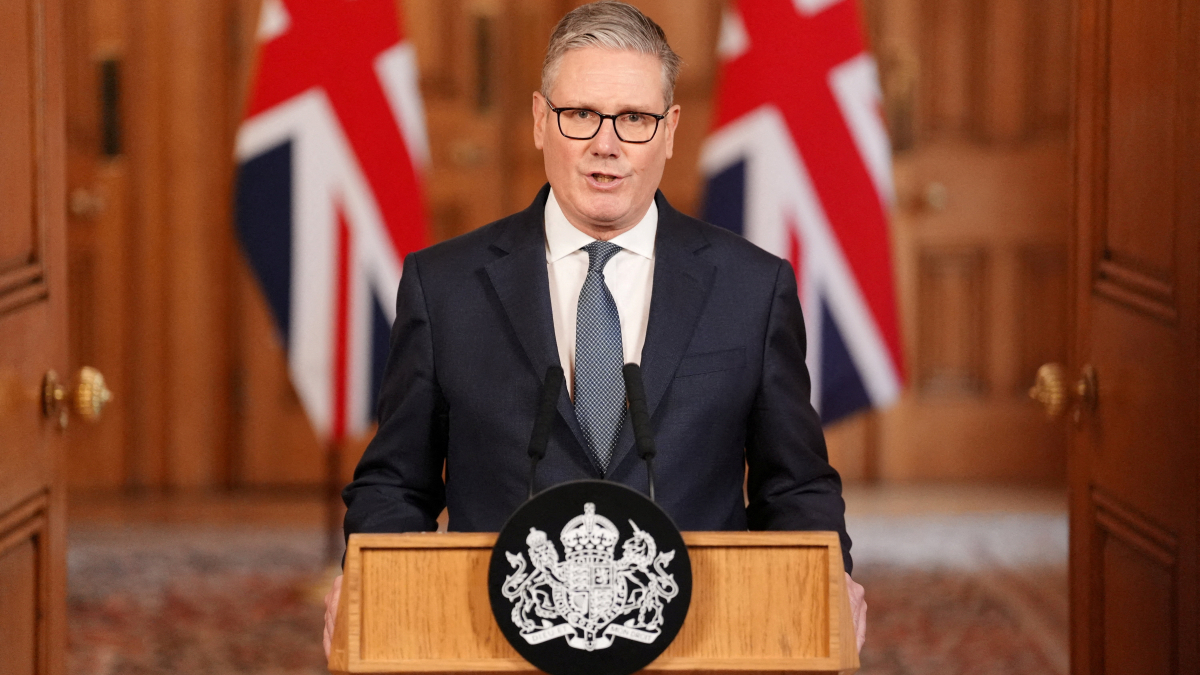
UK Prime Minister Keir Starmer said British forces and planes are participating in coordinated efforts to protect the country’s interests and allies. Starmer said in a televised statement that Iran should refrain from further strikes and cease violence and oppression against its people, and stressed the importance of preventing further escalation and of returning to a diplomatic process.
British Prime Minister Keir Starmer issues a statement at 10 Downing Street, after Israel and the U.S. conducted strikes on Iran, in London, Britain, 28 February, 2026.
Jonathan Brady/Pool via REUTERS
⦿ 14:48 GMT | UPDATE
Russia and China request urgent UN Security Council meeting
Russia and China have requested an urgent UN Security Council meeting on the situation around Iran, RIA reported, citing Russia’s UN mission.
⦿ 14:30 GMT | UPDATE
Iran demands urgent UN Security Council meeting
Iran has demanded that an urgent UN Security Council meeting is held on Monday to discuss the escalation.
⦿ 14:25 GMT | UPDATE
U.S.-led coalition downs missiles and drones in Irbil
The counterterrorism unit in Iraq’s Kurdish-run region says that U.S.-led coalition forces “intercepted and shot down a number of missiles and bomb-laden drones in Irbil province,” Reuters reports.
⦿ 14:10 GMT | UPDATE
Saudi Arabia reports Iranian attacks on Riyadh
Saudi Arabia said Iran carried out attacks on Riyadh and the kingdom’s eastern region. The ministry said the strikes were handled inside Saudi territory but provided no further details.
⦿ 14:03 GMT | UPDATE
Iranian Defence Minister and IRGC commander killed
Three sources say Iranian Defence Minister Amir Nasirzadeh and Revolutionary Guards commander Mohammed Pakpour were killed in Israeli attacks, Reuters reports.
⦿ 14:00 GMT | UPDATE
Zelenskyy says U.S. strikes show decisive action
Ukraine’s President Volodymyr Zelenskyy said the U.S. strikes in Iran show decisive action but warned against escalation. “Whenever there is American resolve, global criminals weaken,” he wrote on social media.
⦿ 13:43 GMT | UPDATE
Russia advises citizens to leave Iran
The Russian embassy in Iran advised its citizens to leave via Armenia or Azerbaijan, calling Astara and Nurduz/Agarak the safest available routes.
Russian President Vladimir Putin held a video meeting with the Security Council on the U.S.-Israeli strikes. President Donald Trump said the operation aimed to end a threat to the U.S. and open the way for Iranians to challenge their rulers.
⦿ 13:40 GMT | UPDATE
Journalist Tom Gross asks what Iranian people will do
Journalist Tom Gross told AnewZ from Tel Aviv that the key question now is “what will the Iranian people do?”
Egypt called for “diplomacy and dialogue,” saying the “serious military escalation” in the region is deeply concerning. It also condemned attacks by Iran on Gulf countries.
Saudi Crown Prince Mohammed bin Salman spoke with UAE President Sheikh Mohammed bin Zayed, expressing full solidarity with the UAE after Iranian attacks across the region.
⦿ 13:30 GMT | UPDATE
Explosion reported in Chabahar
Iranian state media report an explosion in the southeastern port city of Chabahar.
⦿ 13:20 GMT | UPDATE
Shayan Arya predicts beginning of the end for regime
“I think it’s the beginning of the end of this regime,” said Shayan Arya, arguing Iran’s proxies have been significantly weakened in recent years.
⦿ 13:15 GMT | UPDATE
Gustavo de Aristegui sees no possibility of agreement
Former diplomat Gustavo de Aristegui told AnewZ that Iran’s widespread strike capacity shows “there is no possibility of an agreement.”
⦿ 13:00 GMT | UPDATE
Dubai airport suspends all flight operations
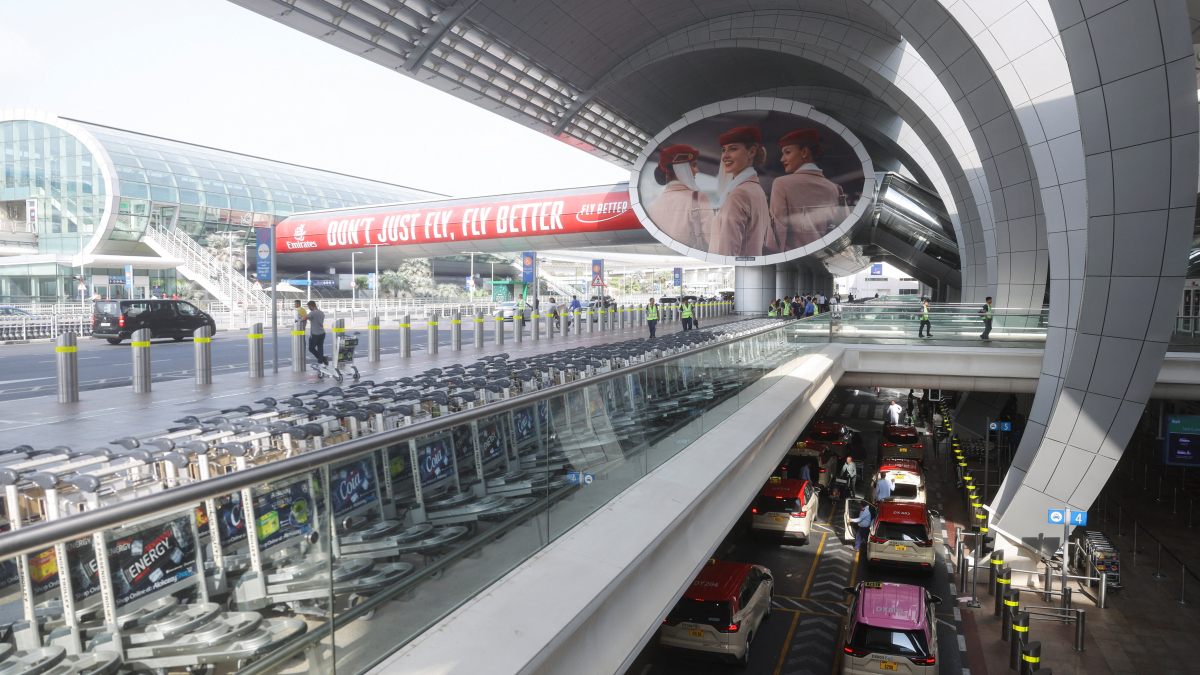
Dubai airport suspended all flight operations.
REUTERS/Amr Alfiky
Taxis line up outside Terminal 3, Dubai International Airport, 16 September 2025.
⦿ 12:57 GMT | UPDATE
Death toll from attack on school in Iran rises to 40
The death toll after an Israeli attack on a school in Iran has risen to 40, state media report.
⦿ 12:56 GMT | UPDATE
Iran national security council urges travel to other cities
Iran’s national security council urged residents to travel to “other cities”.
Majid Asgaripour/WANA (West Asia News Agency) via REUTERS
Smoke rises after U.S.-Israel strikes, Tehran, 28 February 2026.
⦿ 12:50 GMT | UPDATE
Iran declares U.S. and allied bases legitimate targets
A senior Iranian official said there are “no red lines” after the U.S.-Israel strikes, declaring all U.S. and allied bases “legitimate targets”.
Israel's Defence Minister, Israel Katz, announced the assault on Iran on Saturday morning (24 February), as the military sounded air raid sirens to prepare the public for possible retaliation.
An Israeli defence official said the strike had been planned for months and that the launch date was decided weeks ago. The U.S. has engaged in several rounds of nuclear talks with Iran in recent weeks, with the latest discussions wrapping up on Thursday (26 February).
The Pentagon said on Saturday that U.S. strikes against Iran were named “Operation Epic Fury”.
Iran’s Islamic Revolutionary Guard Corps said it had launched the first wave of missile and drone attacks against Israel in response to recent strikes on Iranian territory, Tasnim news agency reported.
The Israeli military later reported that a new wave of Iranian missiles had been launched towards Israel.
What Israel says
"The State of Israel launched a pre-emptive attack against Iran to remove threats to the State of Israel," Defence Minister Israel Katz said.
Israel has argued that any U.S. agreement with Iran must include dismantling Tehran's nuclear infrastructure, not only halting enrichment, and has urged Washington to add restrictions on Iran's missile programme to the talks.
Israel’s military said it has struck “hundreds of Iranian military targets”, including missile launchers, during its air strikes on western Iran. It added that the air force is continuing operations to intercept incoming retaliatory attacks from Iran.
Israel has repeatedly warned that it would act militarily if Iran advanced its nuclear or missile capabilities beyond what it considers acceptable thresholds.
Israeli Prime Minister Benjamin Netanyahu issued his first video statement following the U.S.–Israel strikes, calling for political change in Tehran, according to CNN.
He appealed to “all parts of the Iranian people” to “cast off the yoke of tyranny and bring about a free and peaceful Iran”, saying the joint operation would help create conditions for Iranians “to take their destiny into their own hands.”
Netanyahu opened the statement by thanking U.S. President Donald Trump “for his historic leadership.” He also said “this murderous terrorist regime must not be allowed to acquire nuclear weapons that would enable it to threaten all of humanity.”
He made similar remarks during the 12-day confrontation with Iran in June 2025, when he urged Iranians to oppose their government.
Explosions were heard in Tehran on Saturday, Iranian media reported.
Iranian President Masoud Pezeshkian is "in full health", Iran’s Tasnim news agency reported, citing a source close to the presidency.
The statement followed unconfirmed reports that Pezeshkian may have been among those targeted in Israeli and U.S. strikes on Iran earlier in the morning.
Shortly after the attack, an Iranian official told Reuters that Tehran was preparing to retaliate and that its response would be “crushing”.
Iran’s Health Ministry said hospitals across the country had been placed on alert and that the number of injured would be announced once confirmed, according to Tasnim news agency.
Tehran has said it is prepared to discuss limits on its nuclear programme in exchange for sanctions relief, but rejects linking nuclear negotiations to its missile capabilities.
Iran has warned that it would defend itself against any attack and has said neighbouring countries hosting U.S. troops could become targets if Washington strikes Iranian territory.
On the ground in Tehran as explosions rocked the Iranian capital
Trump announces major U.S. military operation
U.S. President Donald Trump said Washington’s objective was to "eliminate imminent threats" from the Iranian government.
In a video message posted on Truth Social on Saturday, Trump accused Tehran of decades of hostile activity.
"For 47 years, the Iranian regime has chanted 'Death to America' and waged an unending campaign of bloodshed," he said, citing attacks on U.S. forces in Beirut, Iraq and international waters.
Trump said a previous operation, Operation Midnight Hammer, carried out last June, had "obliterated" Iran’s nuclear sites at Fordow, Natanz and Isfahan, but that Tehran had attempted to rebuild its programme.
"They can never have a nuclear weapon," he repeated.
He said the current U.S. strikes aimed to "destroy their missiles", "annihilate their Navy", and dismantle networks of regional proxies.
"This very wicked, radical dictatorship will learn that no one should challenge the strength and might of the United States Armed Forces," Trump said.
Trump warned there could be American casualties, describing the operation as "a noble mission", and urged prayers for U.S. troops.
He also issued a direct message to Iran’s security forces: "Lay down your weapons and have complete immunity, or face certain death."
Addressing Iranian citizens, Trump said: "The hour of your freedom is at hand… stay sheltered. When we are finished, take over your government."
He closed by saying America was backing them "with overwhelming strength and devastating force."
The strikes follow repeated U.S.-Israeli warnings that further action would be taken if Iran pressed ahead with its nuclear and ballistic missile programmes.
Iran’s ballistic missile arsenal: What you need to know
Diplomatic talks collapse
Washington and Tehran have held a series of talks over Iran’s nuclear ambitions. The most recent round took place on Thursday (26 February), but ended without a deal.
"Iran refused, just as it has for decades and decades. They rejected every opportunity to renounce their nuclear ambitions, and we can't take it any more," Trump said.
Iran and U.S. conclude third round of indirect nuclear talks in Geneva with ‘significant progress’
The attack on Iran pushes the Middle East into renewed military confrontation and further dims hopes for a diplomatic solution to Tehran’s long-running nuclear dispute with the West.
Israel prepares for possible U.S. green light to strike Iran ballistic missile sites
In June, 2025, the U.S. joined an Israeli military campaign against Iranian nuclear installations, marking the most direct American military action against the Islamic Republic.
U.S. to send six more refuelling aircraft to Israel as Iran nuclear talks continue
Tehran responded to that attack by launching missiles towards the U.S. Al Udeid air base in Qatar, the largest American military facility in the Middle East.
Western powers and organisations say Iran's ballistic missile programme threatens regional stability and could eventually be used to deliver nuclear weapons, a claim Tehran denies.
IAEA report urges Iran to open Isfahan and nuclear sites to inspectors
Leaders of countries from the Commonwealth of Independent States (CIS) have agreed to hold coordinated population censuses around 2030. They took the decision at the CIS Council of Heads of State meeting in Awaza, Turkmenistan on Friday, media reported.
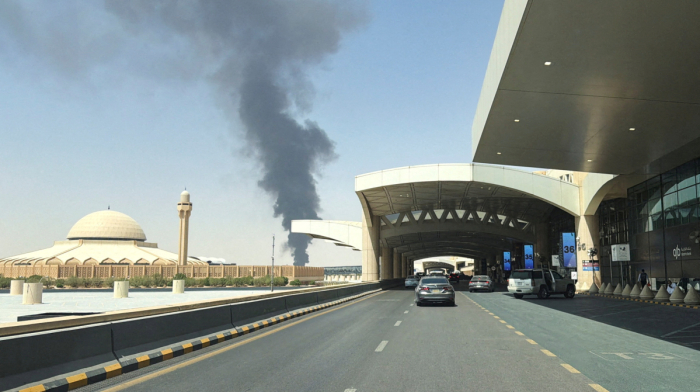
The explosion at King Khalid International Airport in Riyadh on Saturday afternoon killed at least 12 people and injured a further 309, according to Saudi Arabia’s Civil Aviation Authority. The airport remains closed until further notice.
Britain and Israel have reached a temporary compromise over the future of the British Consulate General in East Jerusalem, easing a diplomatic dispute that had threatened to further strain relations between the two countries.
South African judge Navanethem “Navi” Pillay won the Nobel Peace Prize on Friday “for her efforts to promote peace and international law,” the Norwegian Nobel Committee said.
The U.S. has imposed sanctions on the International Criminal Court (ICC) on Friday (9 October) escalating tensions with European allies and potentially targeting companies that provide services to the tribunal. The move came hours after former ICC judge Navi Pillay won the Nobel Peace Prize.
The explosion at King Khalid International Airport in Riyadh on Saturday afternoon killed at least 12 people and injured a further 309, according to Saudi Arabia’s Civil Aviation Authority. The airport remains closed until further notice.
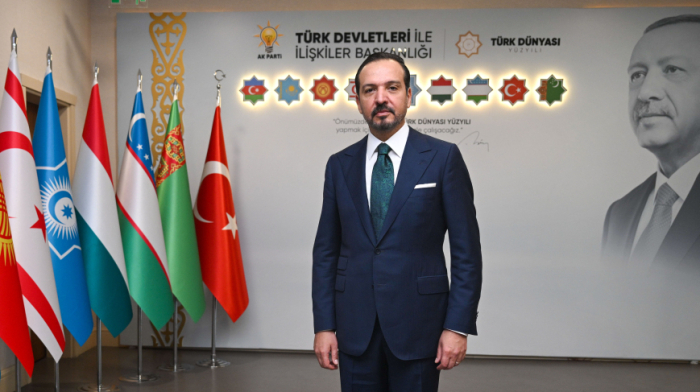
Turkic states are assessing the feasibility of passport-free travel between countries using national ID cards, Kürşad Zorlu, the Deputy Chairman of Türkiye’s ruling AK Party said on Saturday.
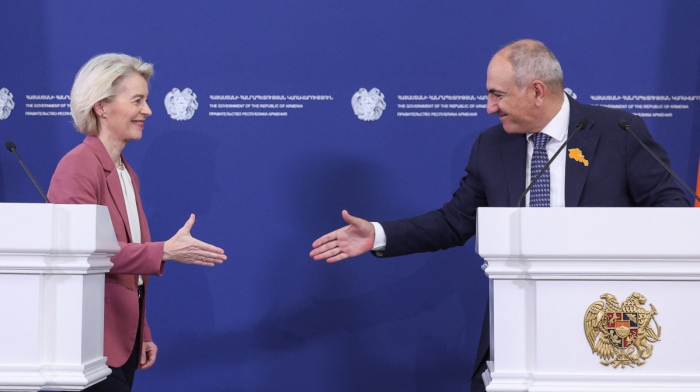
European Union measures suspending import duties on 80 per cent of Armenian exports to the bloc came into effect on Saturday. The temporary liberalisation measures are aimed at supporting Armenian producers and exporters following trade restrictions imposed on the country's products by Russia.
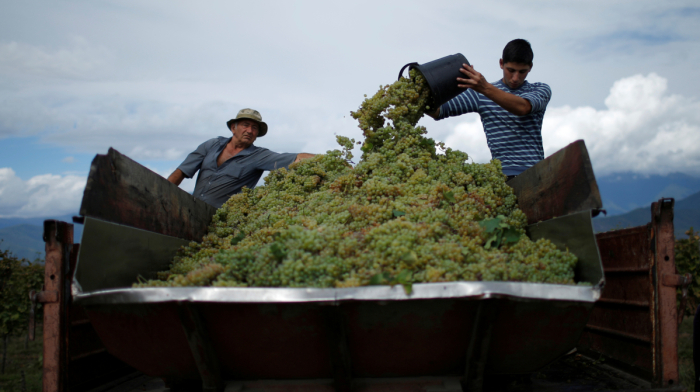
Georgia is enjoying one of its biggest and highest-quality grape harvests since independence. By 6 October, growers in the country's main wine-producing region, Kakheti, had delivered 182,210 tonnes of grapes, with 99 per cent rated medium or high quality, despite recent protests over prices.
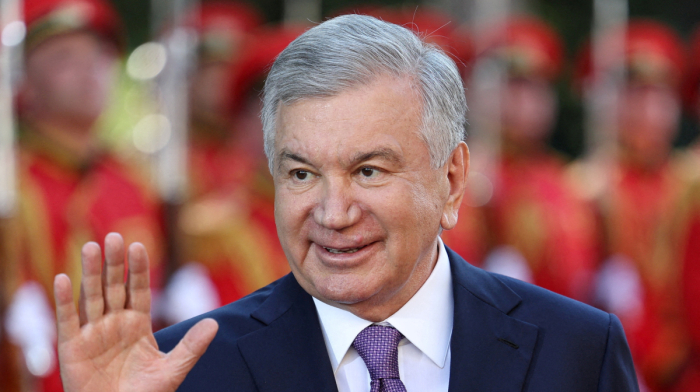
Uzbekistan has unveiled plans to deepen economic ties with Central Asia and Azerbaijan, proposing shared artificial intelligence infrastructure, a critical minerals alliance and a regional trade strategy extending to 2035.
Download the AnewZ app
You can download the AnewZ application from Play Store and the App Store.













What is your opinion on this topic?
Leave the first comment