Pakistan has intensified diplomatic efforts to accelerate peace talks between the United States and Iran, as Tehran reviews Washington’s latest proposals and U.S. President Donald Trump signals he is prepared to wait only a few days for what he called the “right answers.”
The push comes six weeks after a fragile ceasefire took effect. Talks aimed at ending the war have made little progress, while high oil prices have raised concerns about inflation and the wider impact on the global economy.
Pakistan presses mediation
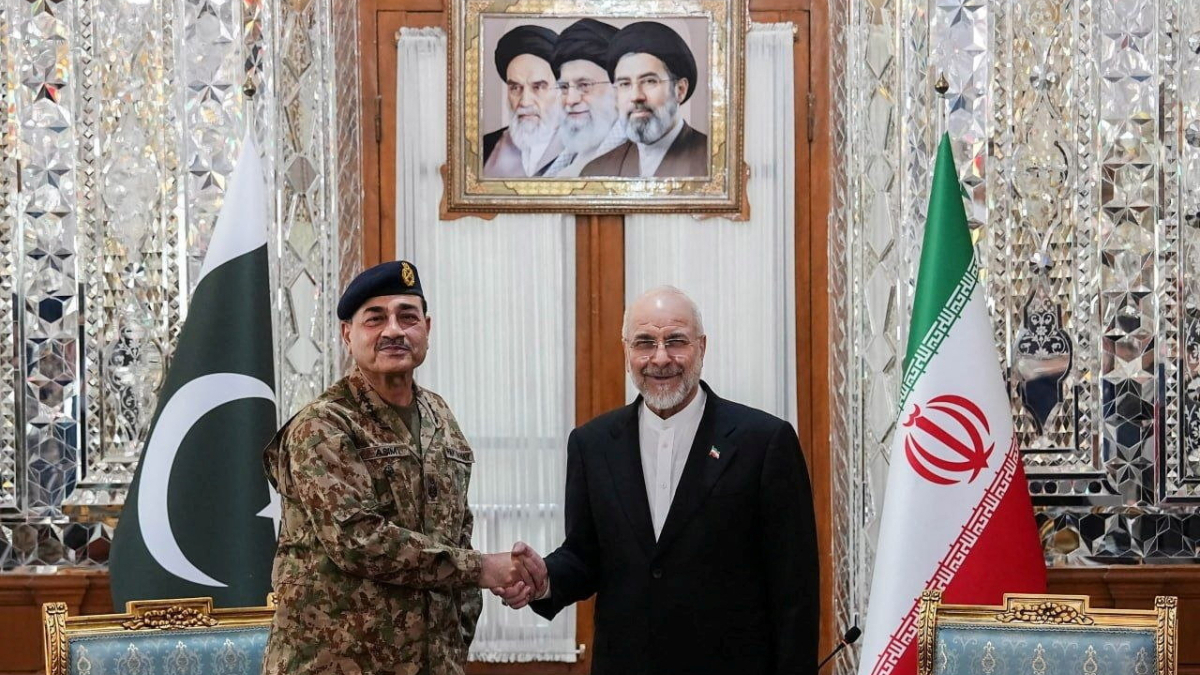
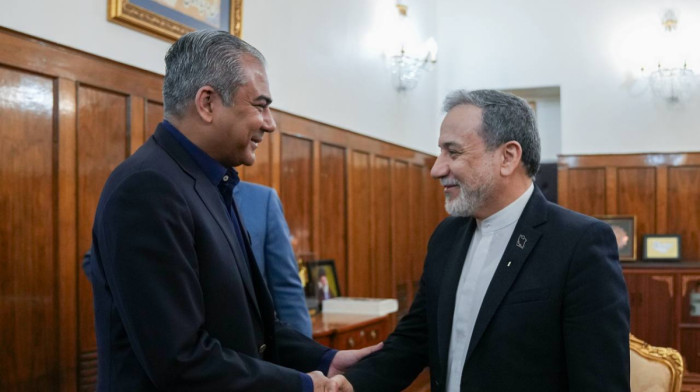
Pakistan’s Army Chief Asim Munir will decide on Thursday (21 May) whether to travel to Tehran as part of the mediation effort, three sources familiar with the negotiations told Reuters.
The sources requested anonymity because they were not authorised to speak to the media. Pakistan’s interior minister was in Tehran on Wednesday (20 May), while Iran’s ISNA news agency reported that Munir would travel to Tehran for consultations.
“We're speaking to all the various groups in Iran to streamline communication and so things pick up pace,” one of the sources said.
“Trump's patience running thin is a concern, but we're working on the pace at which messages are relayed from each side,” the source added.
Trump warns Iran
Trump told reporters at Joint Base Andrews that Washington was ready to move quickly if it did not receive the answers it wanted from Tehran.
“Believe me, if we don't get the right answers, it goes very quickly. We're all ready to go,” Trump said. Asked how long he would wait, he said: “It could be a few days, but it could go very quickly.”
Trump also repeated that he would not allow Iran to acquire a nuclear weapon.
“We're in the final stages of Iran. We'll see what happens. Either have a deal or we're going to do some things that are a little bit nasty, but hopefully that won't happen,” he said earlier in the day.
Iran’s Revolutionary Guards warned against renewed attacks, saying in a statement that if aggression against Iran was repeated, “the promised regional war will extend beyond the region this time.”
Iran submitted its latest offer to the United States this week. Tehran’s descriptions suggest it largely repeats terms Trump previously rejected, including control of the Strait of Hormuz, compensation for war damage, sanctions relief, the release of frozen assets and the withdrawal of U.S. troops.
Hormuz remains strained
The Strait of Hormuz, which carried a fifth of global shipments of oil and liquefied natural gas before the war, has been nearly closed since the conflict began, causing major disruption to global energy supplies.
Iran released a map on Wednesday (20 May) showing a “controlled maritime zone” at the strait and said transit would require authorisation from an authority created to oversee the area.
Tehran said it aimed to reopen the strait to friendly countries that complied with its terms. That could potentially include access fees, which Washington says would be unacceptable.
Two Chinese supertankers carrying about 4 million barrels of oil exited the strait on Wednesday, while a South Korean tanker carrying 2 million barrels of crude loaded in Kuwait also crossed the strait in cooperation with Iran.
Shipping monitor Lloyd’s List said at least 54 ships transited the strait last week, about double the number recorded the previous week. Iran said 26 ships had crossed in the past 24 hours, still well below the 125 to 140 daily passages recorded before the war.
Read more:
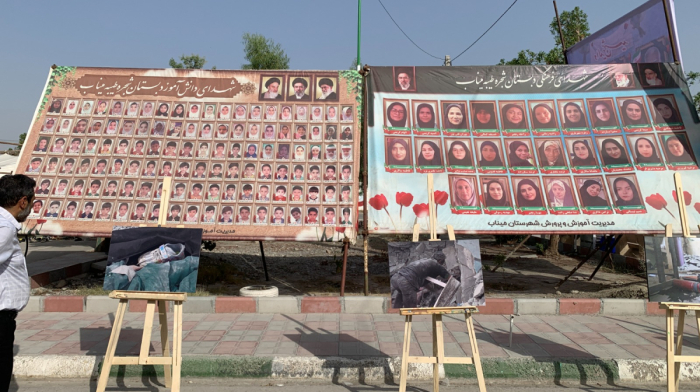
U.S.-Israeli bombing killed thousands of people in Iran before the ceasefire, while Iranian strikes on Israel and neighbouring Gulf states killed dozens.
Trump and Israeli Prime Minister Benjamin Netanyahu said their war aims were to curb Iran’s support for regional militias, dismantle its nuclear programme, destroy its missile capabilities and make it easier for Iranians to topple their rulers.















What is your opinion on this topic?
Leave the first comment