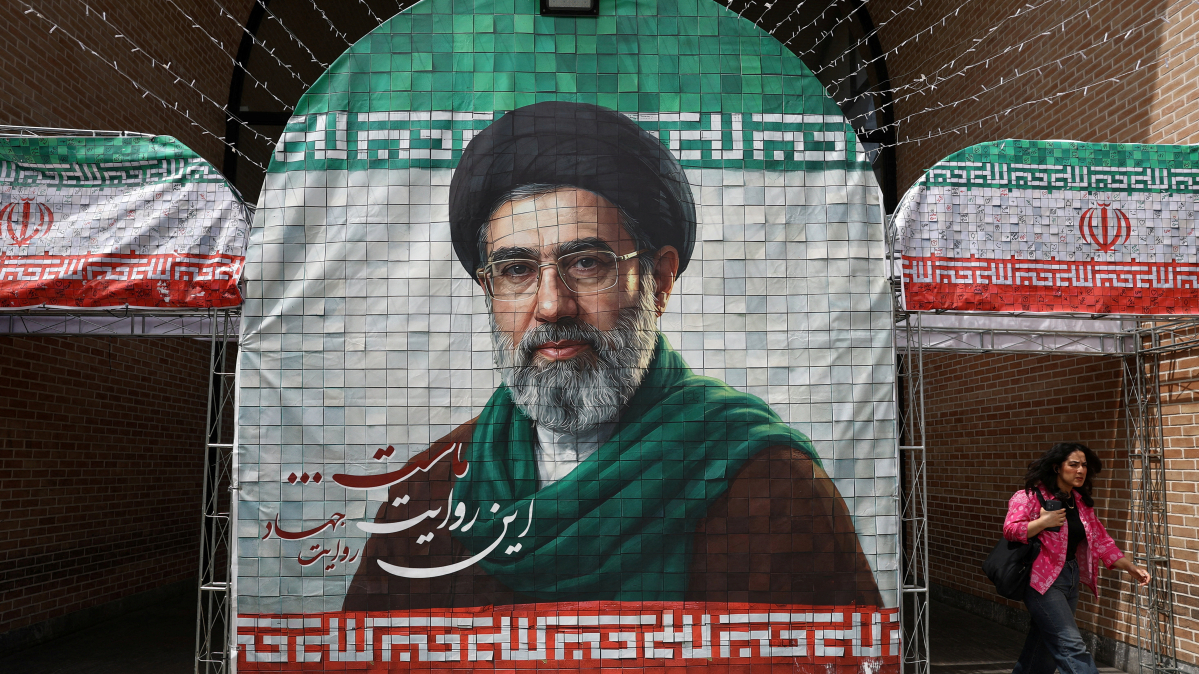
Iran’s Supreme Leader has issued a directive that the country’s near-weapons-grade enriched uranium must not be sent abroad, according to two senior Iranian sources, marking a firm tightening of Tehran’s position in ongoing negotiations with the United States.
The order, attributed to Ayatollah Mojtaba Khamenei, is expected to complicate already fragile diplomatic efforts aimed at resolving the wider conflict involving Iran, the United States and Israel, and in particular the dispute over Iran’s nuclear programme.
One of the Iranian sources said the decision reflects a consensus at the highest levels of the Iranian establishment.
“The Supreme Leader’s directive, and the consensus within the establishment, is that the stockpile of enriched uranium should not leave the country,” the source said, speaking on condition of anonymity due to the sensitivity of the issue.
The same source said Iranian officials believe transferring the material abroad would expose the country to further risk. There is concern, they added, that it could leave Iran more vulnerable to future military action by both the United States and Israel.
Trump rejects Iranian nuclear stockpile
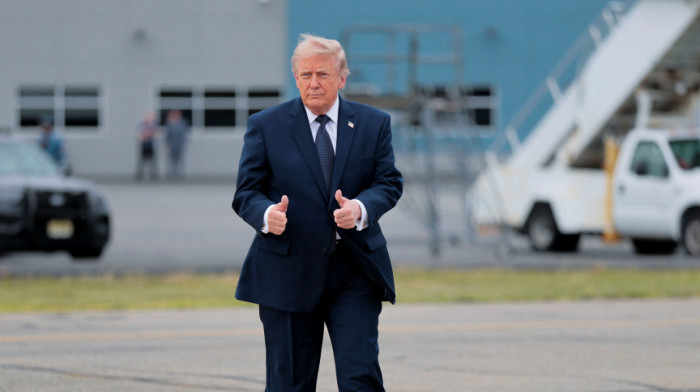
The comments come as U.S. President Donald Trump repeated Washington’s position that Iran must not retain its stockpile of highly enriched uranium.
“We will get it. We don't need it, we don't want it,” Trump told reporters at the White House. “We'll probably destroy it after we get it, but we're not going to let them have it.”
Israeli officials have separately told Reuters that Trump has assured Israel the stockpile - which can be used in the development of nuclear weapons - should be removed from Iran entirely under any potential agreement.
Nuclear concerns at the centre of talks
The dispute over enriched uranium remains one of the key sticking points in negotiations involving Iran, the United States and regional allies.
Western governments, including Israel and the United States, accuse Iran of seeking to develop nuclear weapons. They point to Iran’s enrichment of uranium up to 60%, which is far above levels needed for civilian energy use and closer to the roughly 90% threshold required for weapons-grade material.
Iran has consistently denied pursuing nuclear weapons.
Israeli Prime Minister Benjamin Netanyahu has said the conflict will not be considered resolved until Iran’s enriched uranium is removed, its missile programme is limited, and support for allied militant groups is ended.
Tehran’s resistance
Iranian officials now appear to be hardening their stance, insisting that the stockpile must remain within the country’s borders.
Before the current escalation, Iranian negotiators had reportedly shown some openness to transferring part of their enriched uranium abroad. However, sources said that position shifted after repeated threats from Washington.
“There are solutions like diluting the stockpile under the supervision of the International Atomic Energy Agency (IAEA),” one Iranian source said, suggesting Tehran still sees limited technical compromise as possible.
White House spokeswoman Olivia Wales said the administration’s position remains unchanged.
“President Trump has been clear about the United States’ red lines and will only make a deal that puts the American people first,” she said.
Iran’s Foreign Ministry did not respond to requests for comment.
Deep suspicion over negotiations
A shaky ceasefire has held since the conflict escalated earlier this year following joint U.S. and Israeli strikes on Iranian nuclear facilities. Since then, indirect fighting and regional tensions have continued, including clashes involving Iran-backed groups in Lebanon.
According to the same Iranian sources, mistrust remains deep within Tehran’s leadership, with fears that the ceasefire could be used as a tactical pause before renewed strikes.
Iran’s top peace negotiator, Mohammad Baqer Qalibaf, said earlier this week that “obvious and hidden moves by the enemy” suggested preparations for further attacks.
President Trump has also warned that military action remains an option if no agreement is reached, though he suggested Washington may still allow limited time for negotiations.
Uranium stockpiles and international oversight
According to the International Atomic Energy Agency (IAEA), Iran possessed around 440.9 kilograms of uranium enriched to 60% before strikes on its nuclear facilities in mid-2025. The agency says it is unclear how much remains intact.
IAEA Director General Rafael Grossi said in March that much of the material was believed to be stored at a tunnel complex in Isfahan, with additional quantities potentially at Natanz.
Iran maintains that some enriched uranium is required for peaceful purposes, including medical applications and its research reactor in Tehran, which operates at lower enrichment levels.
No clear breakthrough in sight
Despite ongoing talks, both sides remain divided over fundamental issues - particularly Iran’s right to continue uranium enrichment and the future of its existing stockpiles.
Officials on both sides have acknowledged that some gaps in negotiations have narrowed. However, major disagreements remain unresolved, and neither side has signalled a clear willingness to make decisive concessions.
For now, the dispute over enriched uranium continues to sit at the centre of a wider geopolitical standoff, with little indication of an imminent breakthrough.












What is your opinion on this topic?
Leave the first comment