Iran and Pakistan discussed developments in stalled Iran-U.S. negotiations during a visit to Tehran by Pakistani Interior Minister Mohsen Raza Naqvi, amid Islamabad’s ongoing mediation efforts.
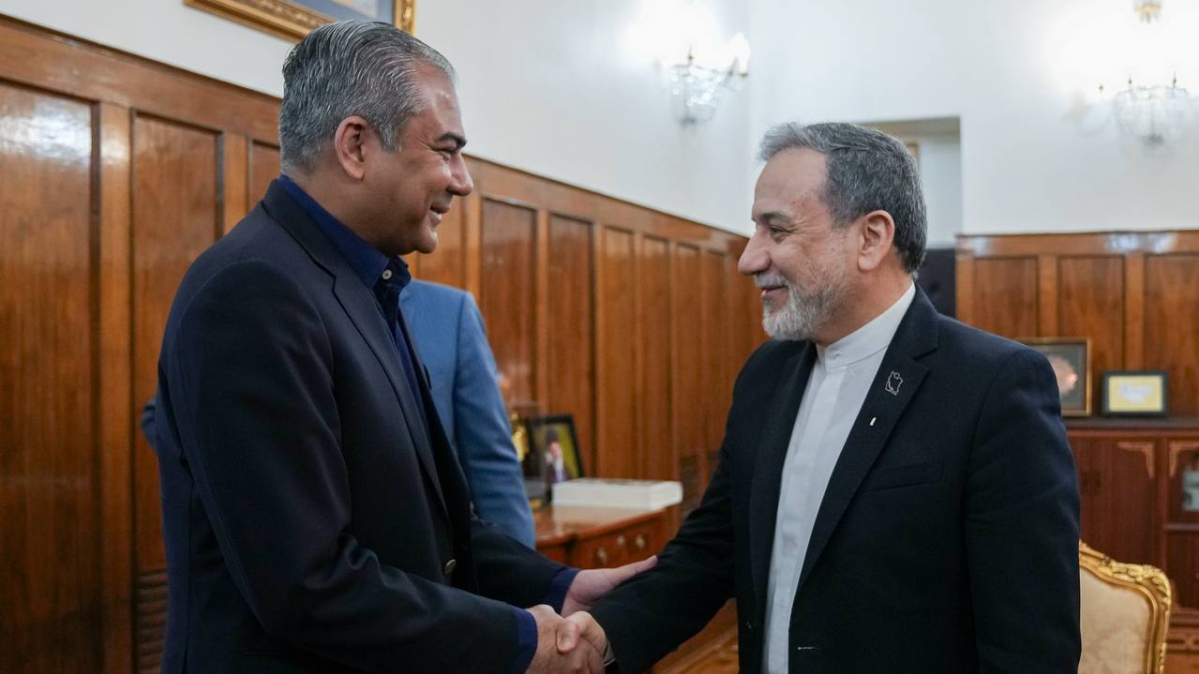
Iranian Foreign Minister Abbas Araghchi met Pakistani Interior Minister Mohsen Raza Naqvi in Tehran on Wednesday, as Islamabad continued efforts to mediate between Iran and the U.S.
It marked Naqvi’s second visit to Iran in less than a week, as Tehran awaited Washington’s response to a proposal submitted earlier this week.
Iranian Foreign Ministry spokesman Esmaeil Baqaei confirmed that exchanges between Tehran and Washington were continuing, saying Naqvi’s visit was intended to “facilitate the exchange of messages” between the two sides.
According to comments carried by state broadcaster IRIB, Baqaei said Naqvi’s presence would also “provide additional explanations to clarify” the texts exchanged between Iran and the U.S.
“The exchange of messages between Iran and the U.S. is continuing,” Baqaei said.
Tehran voices distrust of Washington
While saying Iran was pursuing negotiations “with seriousness”, Baqaei said Tehran still had “strong and reasonable suspicion” regarding U.S. intentions.
“Tehran's main focus is to end the war on all fronts (including Lebanon), release frozen assets, and stop harassing acts and maritime piracy against Iranian shipping,” he said.
Commenting on the Strait of Hormuz, Baqaei accused Washington of disrupting global energy supplies and called on the international community to pressure the U.S. to end what he described as “maritime piracy”.
Regional tensions have remained high since the U.S. and Israel launched strikes against Iran in February. Tehran later retaliated with strikes targeting Israel and U.S. allies in the Gulf, alongside the closure of the Strait of Hormuz.
A ceasefire brokered through Pakistani mediation took effect on April 8, although talks in Islamabad failed to secure a lasting agreement. U.S. President Donald Trump later extended the truce indefinitely while maintaining a blockade on vessels travelling to or from Iranian ports through the strategic waterway.
Meetings with Iranian leadership
The visiting Pakistani minister also met Iranian President Masoud Pezeshkian during his trip to Tehran.
According to the state-run IRNA news agency, the two sides discussed regional developments and diplomatic consultations related to the Iran-U.S. talks.
Pezeshkian stressed “the need to continue dialogue, strengthen regional cooperation, and coordinate among Islamic countries”, while expressing appreciation for Pakistan’s efforts to support regional stability and constructive engagement, IRNA reported.
Naqvi also met his Iranian counterpart following his arrival in Tehran and is expected to hold talks with Parliamentary Speaker Mohammad Bagher Ghalibaf, who reportedly led Iranian negotiators during indirect talks with the U.S. in Islamabad in April.
Unconfirmed media reports have also suggested that Pakistan’s Army Chief, Field Marshal Asim Munir, could travel to Tehran in the near future to reinforce Islamabad’s mediation efforts.












What is your opinion on this topic?
Leave the first comment