



12:45 CET
Russia-Ukraine
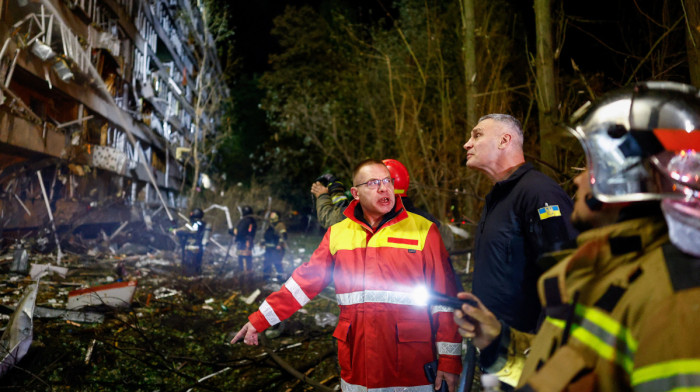
live Russian strikes kill three, damage dozens of power facilities
Russian strikes killed ...


As global diplomatic dynamics continue to evolve, the European Union is reassessing its ability to respond effectively to major international developments, prompting renewed debate over defence coordination, foreign policy decision-making and institutional reform.
A central element of the debate concerns military cooperation within the EU and its relationship with NATO.
Speaking on the issue, EU High Representative for Foreign Affairs and Security Policy Kaja Kallas stressed that defence remains primarily a national responsibility and argued that existing national armed forces should remain the foundation of Europe's security architecture.
"Generally, defence is a national competence and we are trying to push member states to work more jointly together because also if the member states are strong, also the European pillar in NATO is strong," Kallas said.
She rejected proposals for a separate EU army, warning that creating additional military structures could lead to unnecessary duplication and confusion.
"Every member state has one army," she said, adding that the focus should be on improving cooperation rather than establishing alternative military institutions.
Political analysts note that while the EU was originally established as a project aimed at securing peace and economic integration, mounting geopolitical tensions have intensified calls for greater strategic coherence among member states.
The debate has gained momentum as European leaders seek ways to strengthen the bloc's role on the international stage while balancing national sovereignty with collective action.
Alongside defence discussions, Brussels is also examining potential reforms to the EU's institutional framework.
One proposal under consideration would integrate the European External Action Service more closely into the European Commission, a move supporters argue could improve policy coherence and streamline diplomatic operations.
However, the proposal has also highlighted differing views on the distribution of authority between the President of the European Commission and the High Representative for Foreign Affairs.
Several member states have expressed concerns that such changes could centralise too much power within EU institutions and reduce the influence of national governments in shaping foreign policy.
The question of how foreign policy decisions should be adopted remains another major point of disagreement.
Countries including Germany and Sweden have advocated replacing the current consensus-based system with qualified majority voting, arguing that the requirement for unanimous approval can slow decision-making during international crises.
Others, including France and Belgium, favour retaining national veto powers, maintaining that unanimity remains essential for protecting national interests and preserving sovereignty in sensitive foreign policy matters.
The debate reflects broader tensions between efficiency and national control that have long shaped discussions on EU integration.
The idea of creating an EU Security Council has also returned to the political agenda.
Originally proposed in the 1980s, the concept would establish a smaller body tasked with addressing urgent security and foreign policy matters, potentially avoiding the need for consensus among all 27 member states.
Supporters argue that a more streamlined structure could enable faster responses to international challenges. Some defence analysts have even suggested including the United Kingdom, citing its continued importance to European security despite its departure from the EU.
Despite renewed interest, the proposal faces significant resistance.
Smaller member states have voiced concerns that a security council model could exclude them from key decisions and concentrate influence among a limited group of larger countries.
Security experts and several national delegations have also warned that a separate EU security body could overlap with existing NATO mechanisms, potentially creating institutional duplication and strategic confusion.
As discussions continue in Brussels, no formal agreement has been reached. The future of the proposed EU Security Council, along with wider defence and governance reforms, remains uncertain as member states seek to balance collective European action with national sovereignty and transatlantic commitments.

Russian strikes killed ...
A building at Saudi Aramco’s headquarters in ...
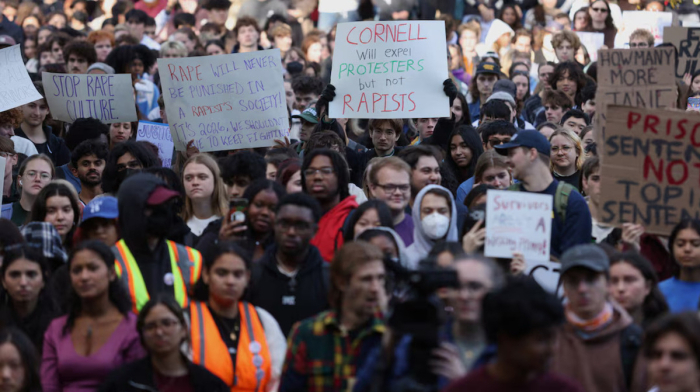
Cornell University has prohibited parties and social gatherings at fraternity houses for the remainder of the academic year following allegations o...
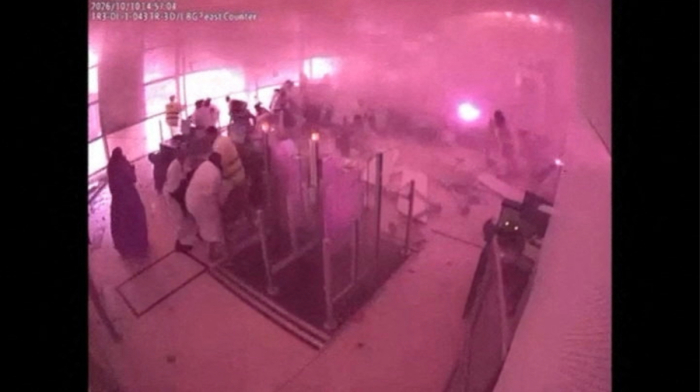
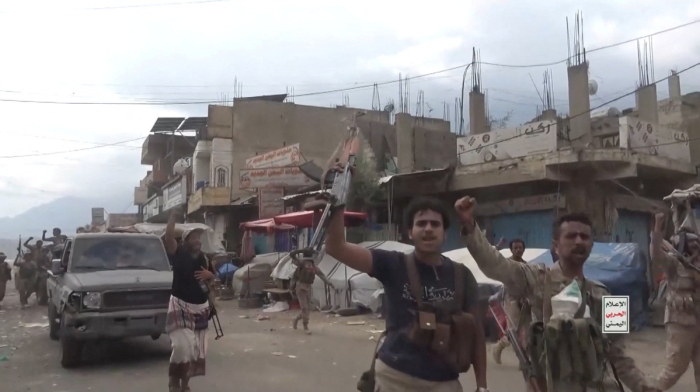
One person was killed and nearly a dozen hurt in a fresh attack on Riyadh's international airport on Sunday, Saudi authorities reported, a day after a strike claimed by Yemen's Houthis killed 13 people and wounded more than 300.

The Saudi-led coalition in Yemen said late Monday that it intercepted and destroyed two ballistic missiles launched by the Houthi group toward Khamis Mushait in southwestern Saudi Arabia.

The Houthi movement has escalated their attacks on Saudi Arabia, targeting the airport in Riyadh and other cities, killing more than a dozen people.

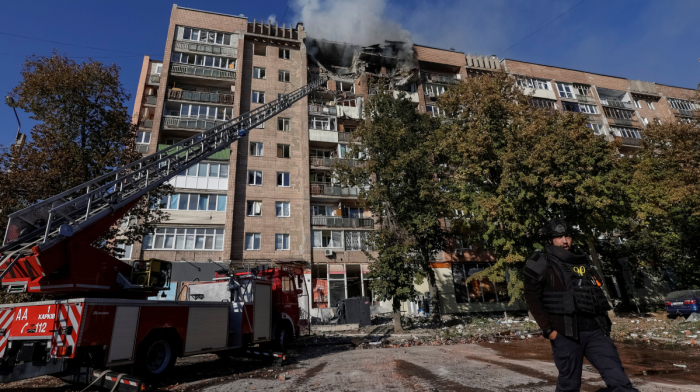
Ukrainian President Volodymyr Zelenskyy says Russia hit at least six energy targets in deadly strikes across Ukraine, showing Moscow is unwilling to accept the energy ceasefire announced by U.S. President Donald Trump.
The Kremlin on Monday rejected a 60-day ceasefire idea proposed by Ukrainian President Volodymyr Zelenskyy to allow his country to hold presidential elections, saying it wanted an overall peace deal instead.
Cornell University has prohibited parties and social gatherings at fraternity houses for the remainder of the academic year following allegations of a gang rape in 2024, as criticism mounts over the institution’s handling of the case.
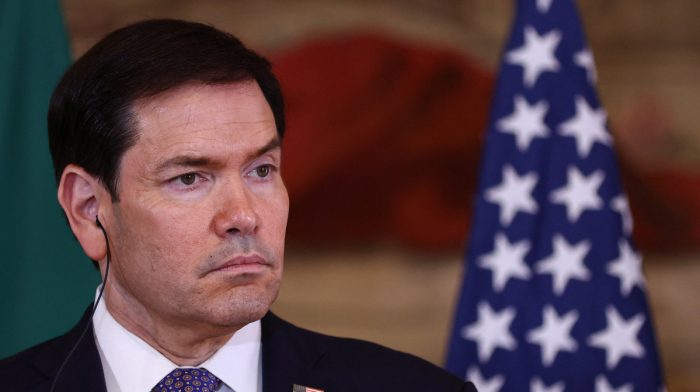
U.S. Secretary of State Marco Rubio will depart on Saturday (17 October) on a five-day trip to India and Uzbekistan, the State Department said, adding that he will discuss energy cooperation in India.
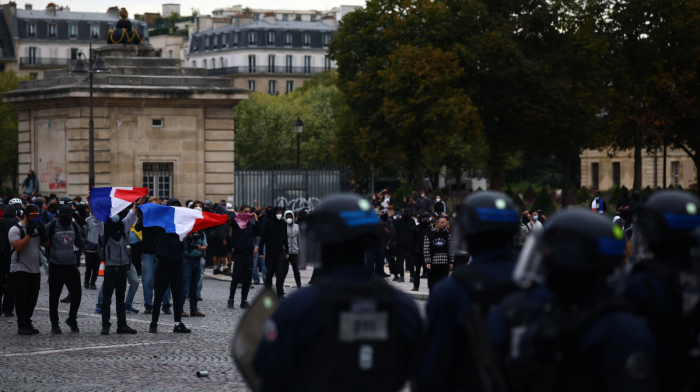
French riot police clashed with student protesters in Paris on Tuesday, using tear gas and water cannon and making arrests as demonstrations over school conditions continued across the country.
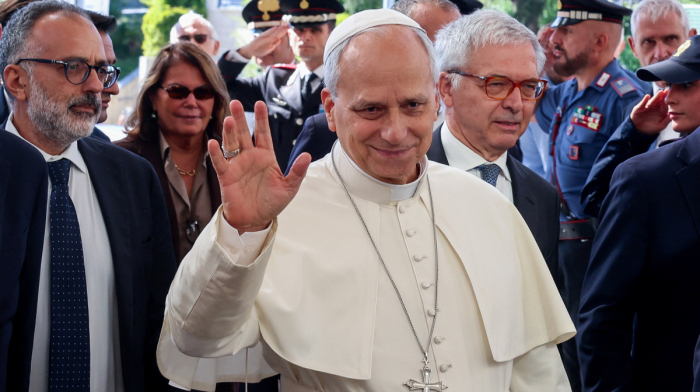
Pope Leo has been diagnosed with lung cancer after surgeons removed part of his right lung, the Vatican said on Tuesday, in the first major health setback of his pontificate.
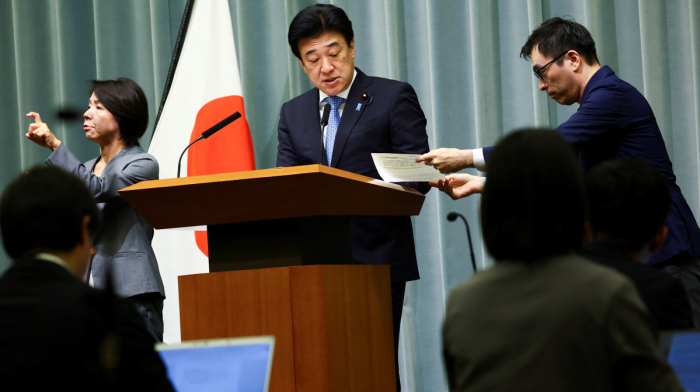
Russia’s Federal Security Service (FSB) has detained a Japanese journalist on suspicion of espionage, as relations between Moscow and Tokyo remain strained over Russia’s war in Ukraine.
You can download the AnewZ application from Play Store and the App Store.




What is your opinion on this topic?
Leave the first comment