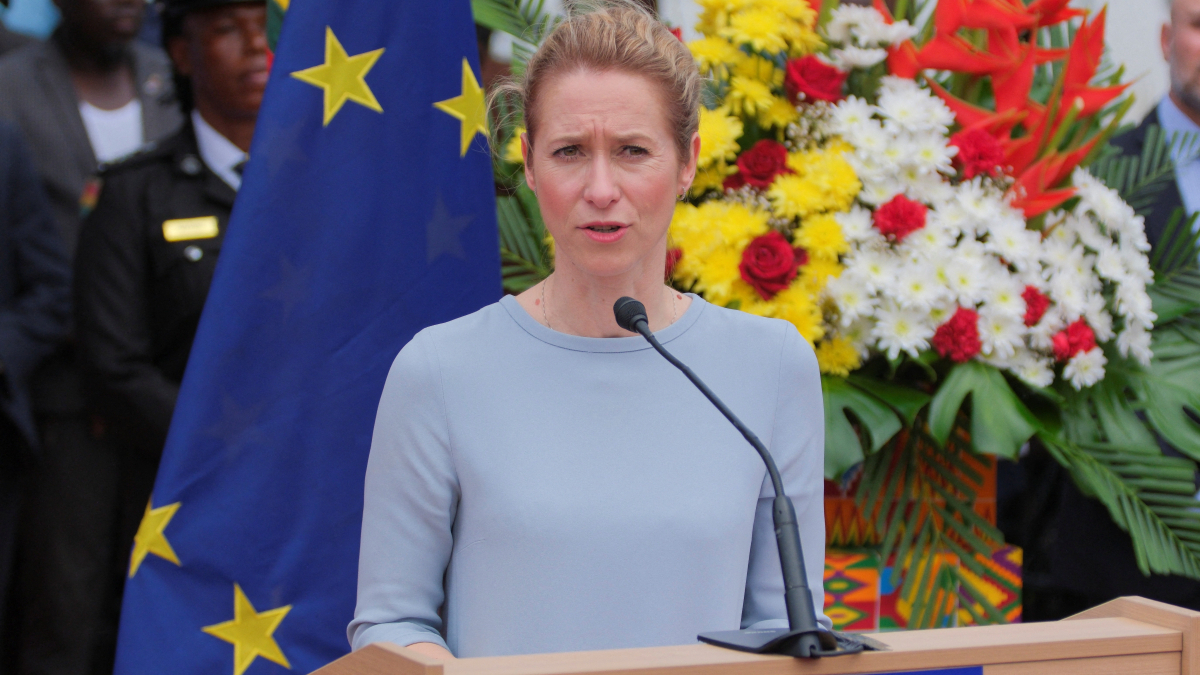
The European Union is considering deeper cooperation with Azerbaijan, including expanded ties in energy, trade and potential support for demining efforts in Garabagh, its foreign policy chief Kaja Kallas has said.
Kallas noted that EU officials discussed ways to further develop relations with Azerbaijan during a meeting of foreign ministers in Luxembourg, noting that stronger cooperation has not been ruled out in areas such as mine clearance.
She stressed that Azerbaijan remains a reliable energy partner and that the EU is interested in deepening engagement in both energy and trade.
Kallas added that while the issue of expanded demining support in Garabagh was not discussed in detail, the EU is already involved and is open to considering further steps in response to Baku’s request. She said the bloc would review what additional assistance could be provided.
The EU foreign policy chief also highlighted the strategic importance of the South Caucasus, saying the region’s stability is a priority for Europe.
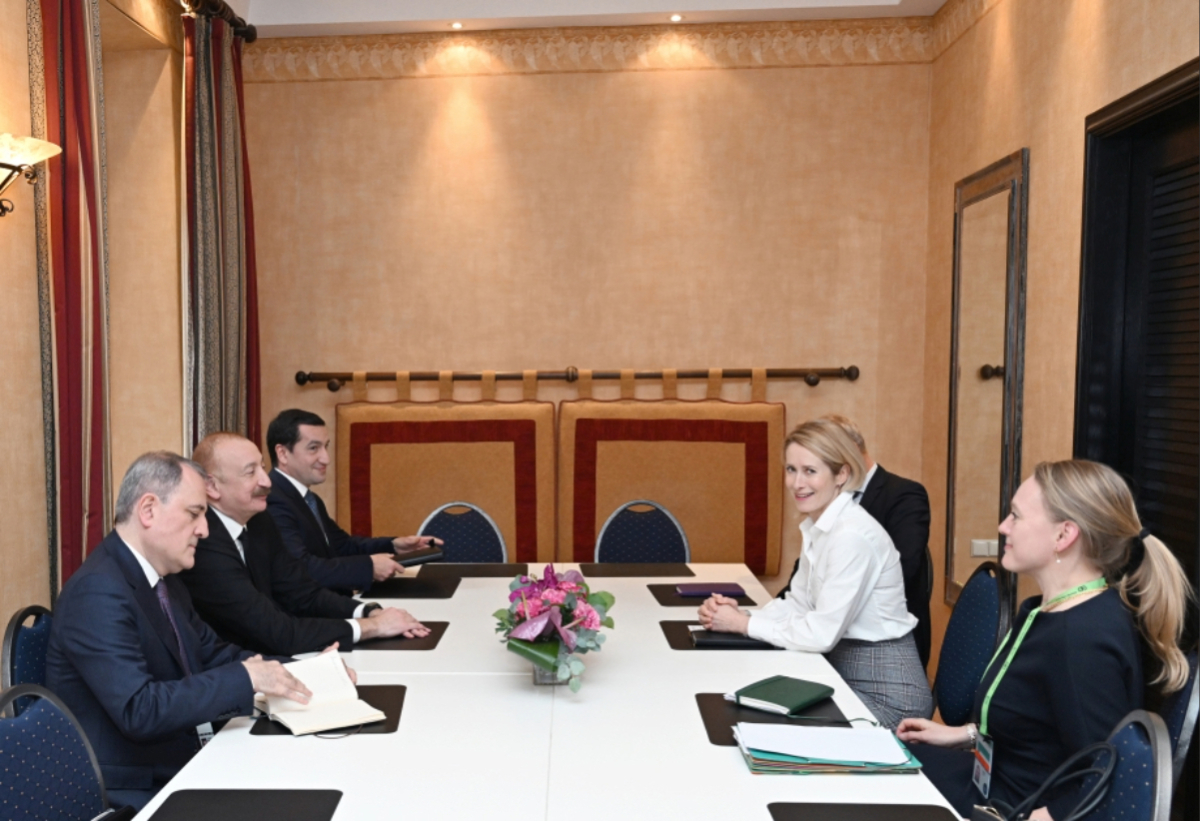
Azerbaijani President Ilham Aliyev met with EU foreign policy chief Kaja Kallas, in Munich, Germany, on 14 February, 2026.
Azertag
She pointed to Azerbaijan’s role as an energy supplier and connectivity hub linking Europe and Asia, framing the country as part of the EU’s broader effort to diversify energy routes and strengthen regional links.
Armenia-Azerbaijan peace process and EU role
Kallas also referred to the Armenia-Azerbaijan peace process, describing it as a key opportunity for long-term regional stability and economic development.
She confirmed that the EU is increasing its engagement in peace-related initiatives in the region, including a new civilian mission in Armenia focused on resilience against cyber threats and disinformation.
The planned EU mission in Armenia has raised questions in Baku regarding its potential impact on the broader peace process.
While Brussels has stated that such initiatives are not intended to undermine regional normalisation, concerns remain in Azerbaijan that unilateral steps could affect trust between the parties.
Previous EU monitoring activities along the Armenia-Azerbaijan border have also been a point of sensitivity, particularly regarding coordination and communication with Baku.
EU role should support bilateral peace track
Speaking to AnewZ, political analyst Huseyn Sultanlı said the EU’s main strategic priority in the South Caucasus should be supporting the ongoing normalisation process between Azerbaijan and Armenia.
“The EU has significant resources and potential to contribute to regional stability, but its role should primarily reinforce the bilateral peace track,” he said.
He noted that while the EU’s engagement is valuable, the core progress in the peace process has so far come directly from Azerbaijan and Armenia, with additional international support playing a complementary role.
The analyst added that Azerbaijan’s relationship with the EU has “turned a new page” politically, and that there is now a more positive dynamic that could allow for deeper practical cooperation, particularly in energy, trade and connectivity.
Coordination and trust seen as key to regional stability
On the issue of EU missions in the region, the analyst stressed that any external initiatives should be carefully coordinated to avoid affecting trust between the parties.
“It is essential that any EU engagement in Armenia or the wider region does not undermine the normalisation process or create perceptions of imbalance,” he said.
He added that concerns raised by Azerbaijan in the past regarding EU missions should be acknowledged and taken into account in Brussels to ensure long-term stability in the peace process.
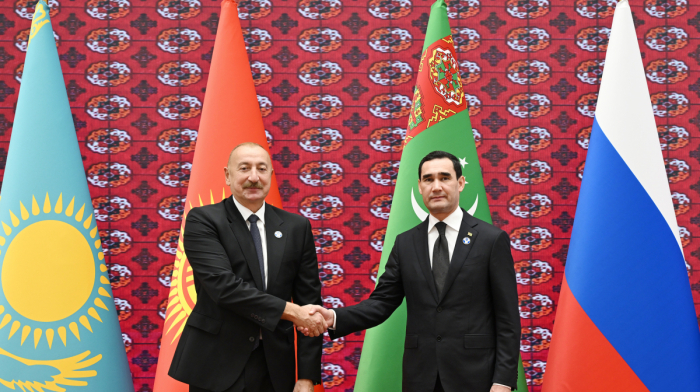
Leaders of countries from the Commonwealth of Independent States (CIS) have agreed to hold coordinated population censuses around 2030. They took the decision at the CIS Council of Heads of State meeting in Awaza, Turkmenistan on Friday, media reported.
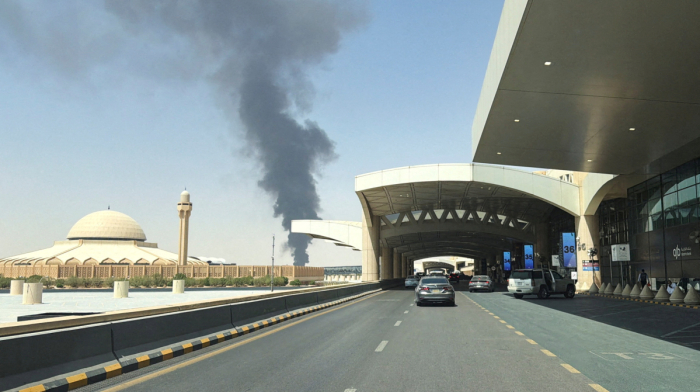
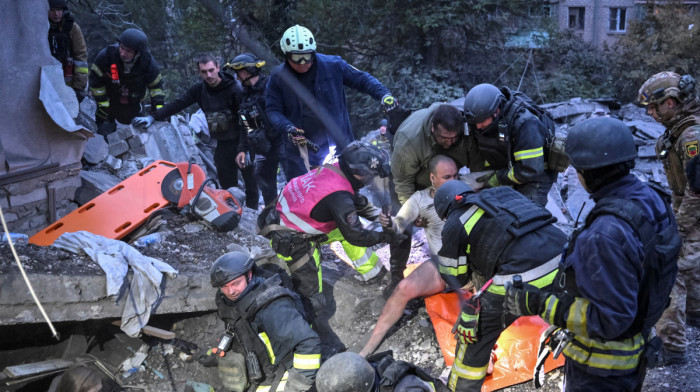
The explosion at King Khalid International Airport in Riyadh on Saturday afternoon killed at least 12 people and injured a further 309, according to Saudi Arabia’s Civil Aviation Authority. The airport remains closed until further notice.
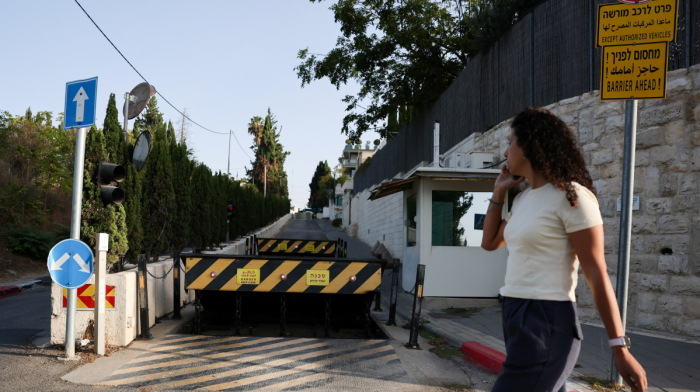
Britain and Israel have reached a temporary compromise over the future of the British Consulate General in East Jerusalem, easing a diplomatic dispute that had threatened to further strain relations between the two countries.
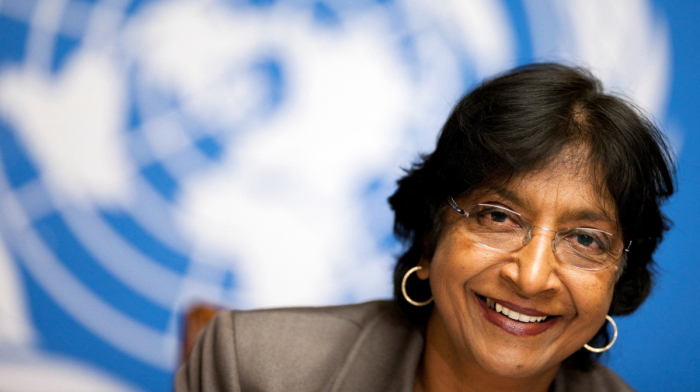
South African judge Navanethem “Navi” Pillay won the Nobel Peace Prize on Friday “for her efforts to promote peace and international law,” the Norwegian Nobel Committee said.
The U.S. has imposed sanctions on the International Criminal Court (ICC) on Friday (9 October) escalating tensions with European allies and potentially targeting companies that provide services to the tribunal. The move came hours after former ICC judge Navi Pillay won the Nobel Peace Prize.
The explosion at King Khalid International Airport in Riyadh on Saturday afternoon killed at least 12 people and injured a further 309, according to Saudi Arabia’s Civil Aviation Authority. The airport remains closed until further notice.
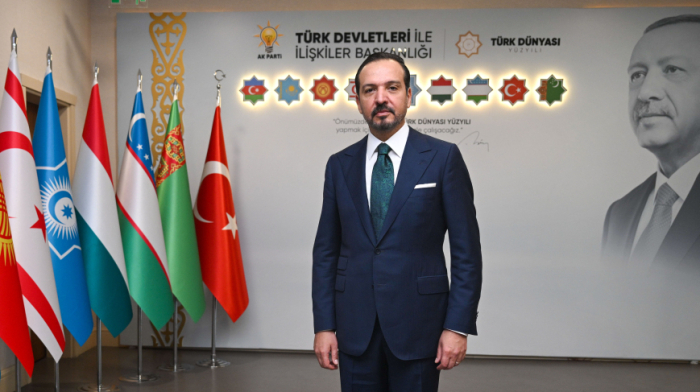
Turkic states are assessing the feasibility of passport-free travel between countries using national ID cards, Kürşad Zorlu, the Deputy Chairman of Türkiye’s ruling AK Party said on Saturday.
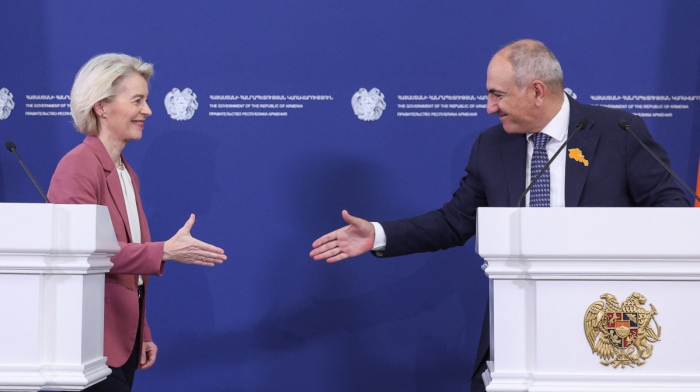
European Union measures suspending import duties on 80 per cent of Armenian exports to the bloc came into effect on Saturday. The temporary liberalisation measures are aimed at supporting Armenian producers and exporters following trade restrictions imposed on the country's products by Russia.
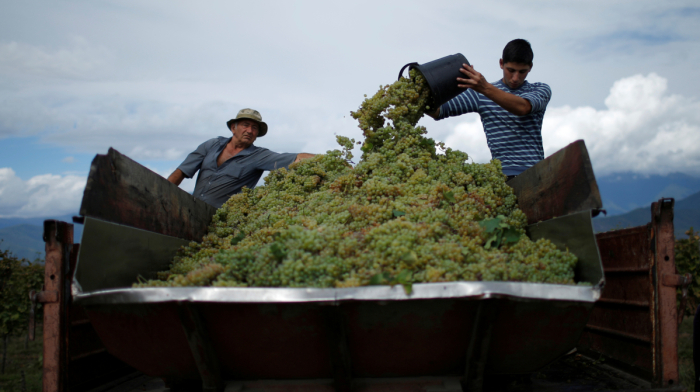
Georgia is enjoying one of its biggest and highest-quality grape harvests since independence. By 6 October, growers in the country's main wine-producing region, Kakheti, had delivered 182,210 tonnes of grapes, with 99 per cent rated medium or high quality, despite recent protests over prices.
Uzbekistan has unveiled plans to deepen economic ties with Central Asia and Azerbaijan, proposing shared artificial intelligence infrastructure, a critical minerals alliance and a regional trade strategy extending to 2035.
Download the AnewZ app
You can download the AnewZ application from Play Store and the App Store.











What is your opinion on this topic?
Leave the first comment