Europe is increasingly viewing the South Caucasus not as a region of frozen conflicts, but as a space of opportunity, stability and strategic connectivity, international relations expert Nargiz Mammadova said.
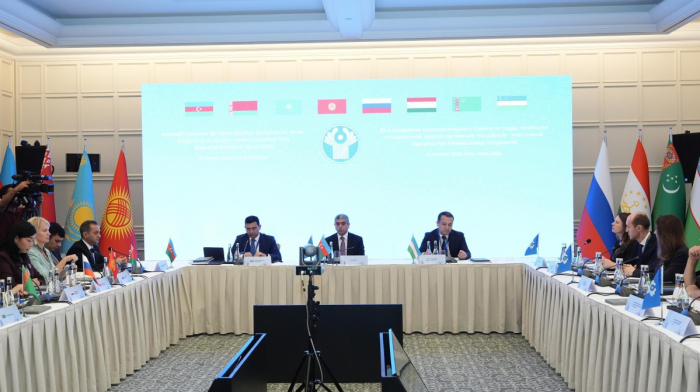
This week in Berlin, the German Parliamentary Society hosted a discussion titled 'Turning Point in the South Caucasus: Historic Peace Between Azerbaijan and Armenia', bringing together senior German officials, policymakers, experts, and the ambassadors of Azerbaijan and Armenia.
This was the first event of its kind held in Germany in this format. The meeting focused on progress in the peace process and the region’s future role in Europe’s strategic outlook.
Speaking to AnewZ, Mammadova said Europe has long paid attention to the region:
“Europe’s eye was always on the South Caucasus, but from a different perspective. It was from the side of business, from the side of economics, investments,” she said.
She noted that even after the end of the Second Karabakh War, European institutions remained engaged in peacebuilding and conflict resolution efforts, recalling earlier mediation initiatives led by the European Union.
Mammadova said a noticeable shift is now taking place, with joint platforms involving both Azerbaijan and Armenia becoming more common.
Economic and connectivity focus
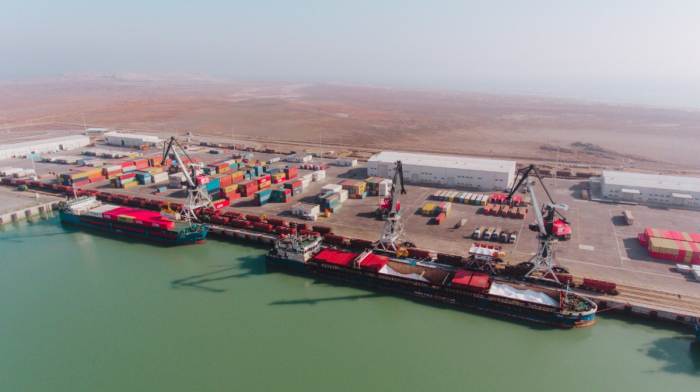
Beyond diplomacy, Mammadova highlighted growing European interest in the region’s economic potential, particularly transport and energy corridors.
“It’s not just about the peace talks. It’s about the economic prosperity of the South Caucasus,” Mammadova said, pointing to increased attention to the Middle Corridor and related connectivity projects.
She added that European academic institutions have begun researching regional ports and logistics routes, reflecting broader interest in long-term cooperation.
Germany’s role and Azerbaijan’s position
Turning to Germany’s role, Mammadova said Berlin increasingly sees the region as a zone of opportunity rather than instability.
On energy, Mamadova highlighted Azerbaijan’s expanding role as a supplier and partner for Europe.
“Azerbaijan is becoming a green energy hub. It’s becoming an energy hub because Europe is in need of energy,” she said, adding that Azerbaijan is viewed as “a reliable partner” through existing energy corridors.
From post-conflict to regional bridge
Mammadova said Azerbaijan’s foreign policy priorities have shifted since the Second Karabakh War, moving toward multilateralism and broader regional engagement.
“Our main mission was to restore territorial integrity and sovereignty,” she said. “After the Second Karabakh War, the main key priority in foreign policy is multilateralism.”









What is your opinion on this topic?
Leave the first comment