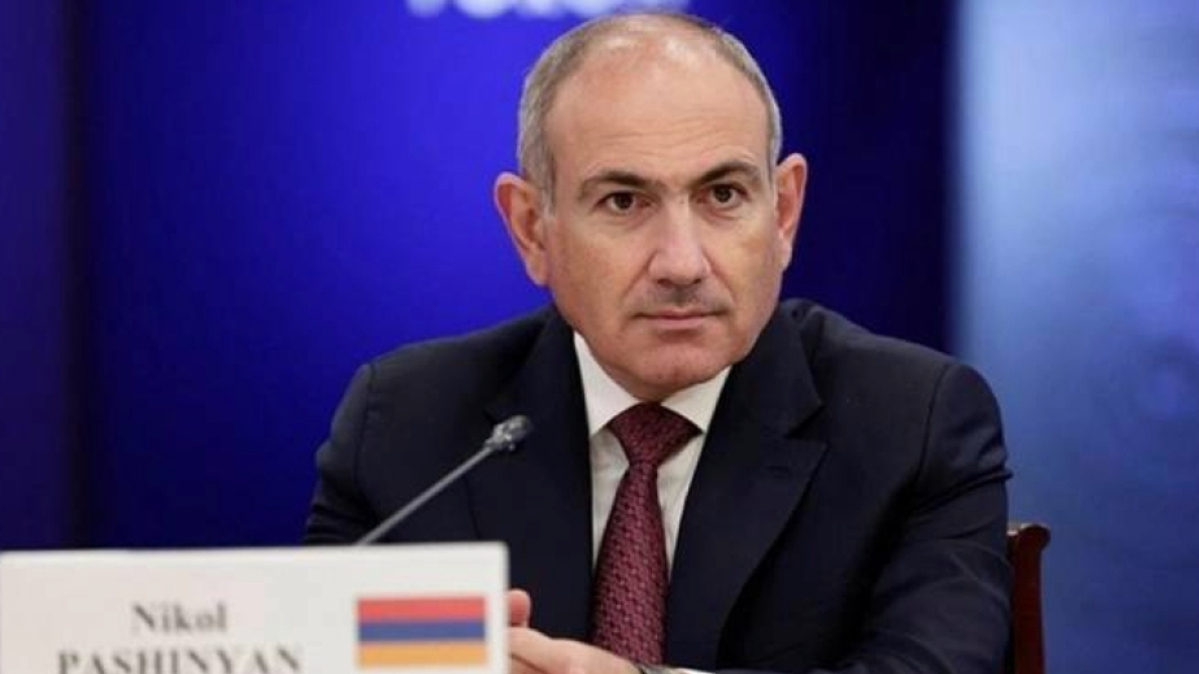
The new constitution of Armenia must not contain any reference to the Declaration of Independence, Armenian Prime Minister Nikol Pashinyan said on Thursday (12 March), according to Armenian media reports.
Speaking at a briefing with journalists, Pashinyan said the future constitution must move beyond the framework of conflict embedded in the 1990 Declaration of Independence, which laid the groundwork for Armenia’s post-Soviet independence.
The declaration mentions the 1989 decision on the “reunification” of Garabagh with Armenia - a reference that Azerbaijan interprets as a territorial claim. Armenia’s current constitution refers back to the declaration, which Azerbaijan argues effectively embeds that claim in constitutional language.
"The Declaration of Independence is built upon the logic of conflict. We cannot build an independent state by following the logic of conflict," he said.
The Prime Minister expressed confidence that a peace agreement with Azerbaijan will eventually be signed.
"I have said it before and I will say it again: consistent, calm diplomatic work is underway. I have no doubt that a peace agreement will be signed. Whether this happens in April, May, June, or September is another matter, but it will definitely be signed."
Warning against forces opposing peace
Pashinyan warned that some groups oppose reconciliation and may try to reverse progress.
"Today we are talking about peace. There are forces that do not want peace and will attempt to reverse the situation. We, the citizens of Armenia, must stand up in defence of the established peace and make it irreversible."
"Regarding communications, we are moving forward and working very actively. I wish to reaffirm once more: we are ready to provide a connection between the western regions of Azerbaijan and Nakhchivan through Armenian territory," he emphasised.
On possible external interference in Armenia’s upcoming parliamentary elections, Pashinyan said the matter requires legal assessment.
"From a political standpoint, if such a situation were to arise theoretically, the majority of our compatriots living in Russia would vote for us. There is no doubt about that," he noted.













What is your opinion on this topic?
Leave the first comment