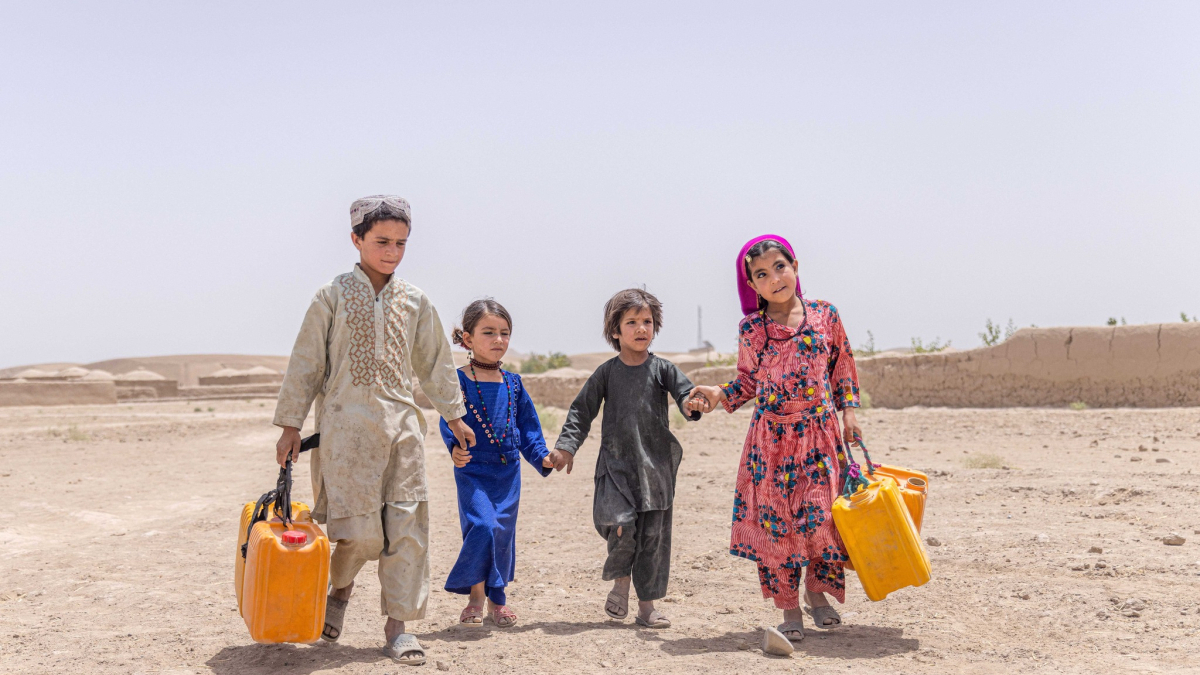
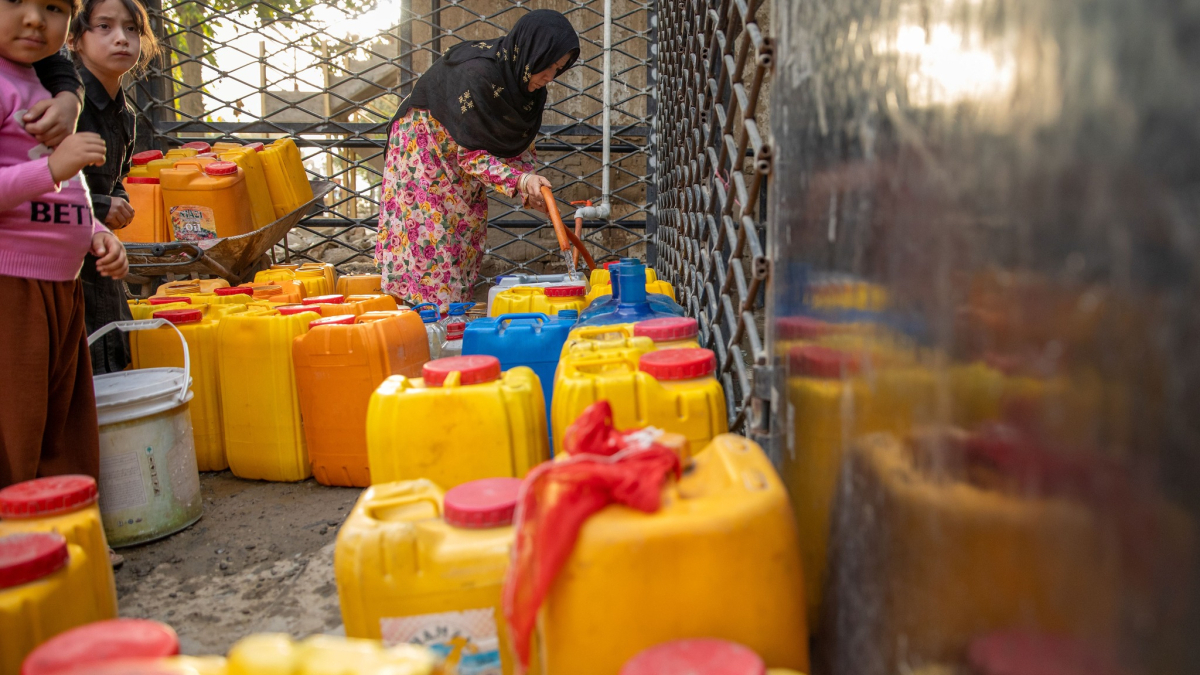
The United Nations Assistance Mission in Afghanistan (UNAMA) has warned ahead of World Environment Day that Afghanistan's worsening water crisis is disproportionately affecting women and girls, who bear much of the responsibility for securing water for their families.
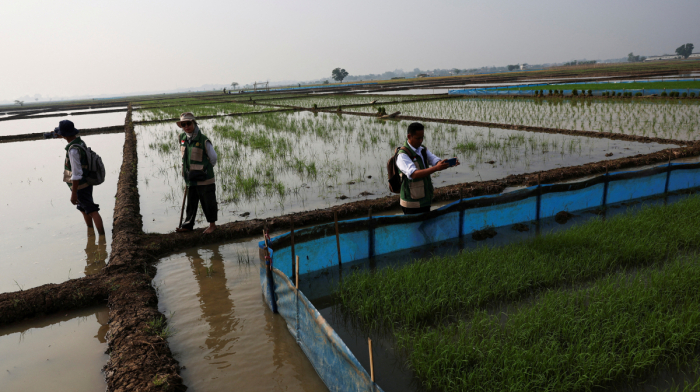
UNAMA said drought and water scarcity remain the country's most widespread environmental threats, affecting more than half the population and damaging agriculture, food security and rural livelihoods.
The mission said the crisis is evident from eastern Nangarhar to southern provinces including Kandahar, Helmand, Nimroz, Zabul and Uruzgan, where rivers are drying up, rainfall is declining and families are drilling deeper wells in search of water.
Water shortages deepen across provinces
UNAMA said agricultural output is declining, access to safe drinking water is shrinking and families are being displaced in search of water. It also warned that competition over limited resources is increasing tensions in some communities.
The mission said women and children are among the hardest hit, with limited access to safe drinking water and sanitation increasing the risk of waterborne diseases.
“Access to safe drinking water is a basic human need, yet the responsibility for securing it is far from equal,” UNAMA said, citing the 2026 UN World Water Development Report, coordinated by UNESCO on behalf of UN-Water.
Women and girls carry heavier burden
According to UNESCO, women and girls worldwide spend an estimated 250 million hours every day collecting water. The report also states that women collect water in more than 70% of unserved rural households.
UNICEF has said nearly one in three people in Afghanistan lacks access to safe drinking water. It said that in 2025 it supported 2.1 million people in the country with safe water, sanitation and hygiene services.
“As the World prepares to mark Environment Day this Friday, 5 June, this is a powerful reminder that environmental challenges like water scarcity are not gender neutral,” UNAMA said.
AnewZ contacted the spokesperson for Afghanistan's de facto government for comment on UNAMA's statement but had not received a response at the time of publication.













What is your opinion on this topic?
Leave the first comment