Fertiliser shipments through the Strait of Hormuz have begun to recover following an interim U.S.–Iran agreement aimed at stabilising the waterway after months of disruption during conflict, industry data shows.
Analysts say hundreds of thousands of tonnes of sulphur and urea have moved through the strait since the deal was announced, marking a sharp rise compared with the war period, when traffic was heavily reduced. However, flows remain far below pre-conflict levels.
Before the fighting began, the Strait of Hormuz was a critical global route for the fertiliser trade, carrying around one-third of internationally traded urea and nearly half of seaborne sulphur. Shipments fell significantly during the conflict, triggering concerns over supply chains and global food security.
Since the interim agreement, around 640,000 tonnes of sulphur and 427,000 tonnes of urea have exited the strait, according to data from industry analysts CRU and Argus. The cargoes have been shipped to destinations including Indonesia, Morocco, Tanzania and China.
Shipping tied to previous contracts
However, analysts say much of the current movement reflects existing contracts agreed before or during the conflict, rather than a full recovery in new trade.
Despite the increase in outbound shipments, there are still no significant volumes of empty vessels returning to load fresh cargoes, suggesting that commercial activity remains constrained.
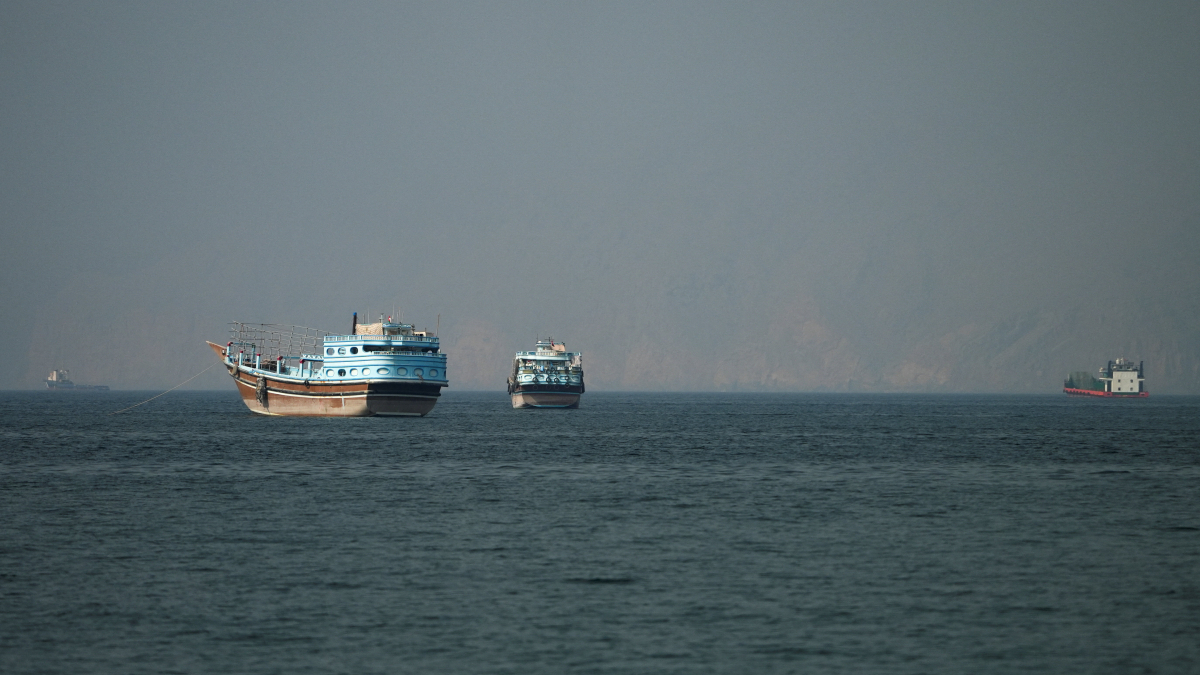
Shipping through the waterway has also been affected by congestion, with hundreds of vessels still reportedly waiting in the Gulf. Industry estimates suggest traffic is only a fraction of pre-war levels, when more than 100 ships a day typically passed through the strait.
Full recovery could take weeks
Analysts warn that a full recovery will take time, citing ongoing security concerns, logistical bottlenecks, and uncertainty over whether the ceasefire will hold. Some also point to damage to regional infrastructure, which could slow production and exports from key Gulf producers.
Experts say the outlook remains fragile, with a significant rebound in traffic unlikely before August even in a best-case scenario, depending on improved security conditions and restored shipping confidence.



















What is your opinion on this topic?
Leave the first comment