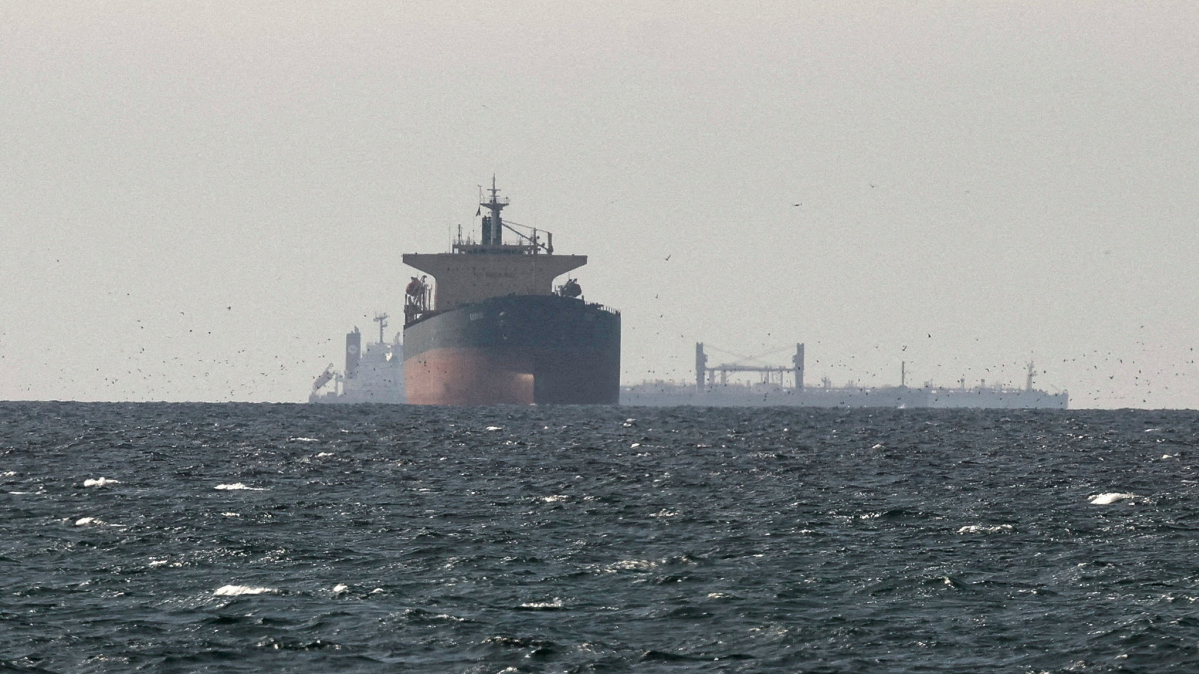
Oman has announced measures to keep vessels moving through the Strait of Hormuz, confirming it will maintain free passage and impose no tolls as efforts continue to restore navigation through the strategic waterway.
Temporary routes introduced
The Gulf state said it has designated two temporary maritime routes, one north and one south of the existing shipping lane, to allow vessels to safely exit the region.
The move has been coordinated with the International Maritime Organization (IMO) as authorities seek to stabilise navigation following months of conflict.
In a notice to mariners, Oman said the existing Traffic Separation Scheme, the main routing system for vessels transiting the strait, is currently unsafe for use.
Key route for global energy
The Strait of Hormuz is one of the world's most strategically important waterways, previously carrying around a fifth of global oil and liquefied natural gas supplies.
Shipping through the corridor has been heavily disrupted since conflict involving the U.S., Israel and Iran erupted in late February.
The interruption to commercial traffic has increased volatility in global energy markets, with traders closely monitoring developments across the region.
Controlled passage for vessels
Under the new arrangements, ships departing the Gulf will be directed through specially designated corridors under close supervision.
Omani authorities said vessels would be grouped and contacted individually, with instructions on departure times and the routes they should follow.
Ships will also be directed to waiting areas in international waters before being cleared for transit.
The measures form part of a phased plan developed with the IMO, aimed at ensuring a gradual and controlled resumption of maritime traffic while reducing the risk of accidents.
Safety remains the priority
Officials said elevated security risks mean navigational safety remains the overriding concern, warning that congestion and uncertainty could increase the likelihood of collisions.
Vessels using the designated routes will be required to maintain communication with coastal authorities and comply with all operational instructions.
Ship operators have also been instructed to keep tracking systems active and report any hazards to Oman's maritime security authorities.
No tolls under interim arrangements
Oman confirmed that ships transiting the strait will not be charged fees, reflecting agreements reached in recent talks between the U.S. and Iran.
While the interim arrangement allows toll-free passage for a limited period, discussions between Iran and Oman have already begun on longer-term rules governing navigation and potential service charges.
Regional coordination continues
Oman said its actions reflect its responsibility to ensure freedom of navigation through the strait and safeguard a route vital to global trade.
As tensions remain high and shipping gradually resumes, the success of these measures will be critical to restoring confidence in one of the world's most important maritime chokepoints.
There has been no response from the U.S., which in May warned Oman against facilitating any system of tolls in the Strait of Hormuz.
The warning was issued by U.S. Treasury Secretary Scott Bessent in a post on X, where he said: "Oman, in particular, should know that the U.S. Treasury will aggressively target any actors involved, directly or indirectly, in facilitating tolls for the Strait and any willing partners will be penalised."
Oman's role in the conflict
Oman has not been directly drawn into open confrontation with Iran. However, it has become increasingly exposed to the fallout from the conflict because of its strategic position at the entrance to the Strait of Hormuz.
Omani ports and infrastructure were struck by drone attacks earlier in the conflict, reflecting the wider spillover of hostilities across the Gulf.
Its involvement in discussions over navigation and security in the strait has also placed it at the centre of diplomatic efforts to stabilise one of the world's most critical shipping routes, even as tensions between major powers remain high.














What is your opinion on this topic?
Leave the first comment