The United Arab Emirates (UAE) said it was dealing with missile and drone attacks from Iran for the second consecutive day on Tuesday (5 May), despite denials from authorities in Tehran.
The Gulf state’s Defence Ministry said its air defence systems were intercepting missiles and warned residents that sounds purportedly heard across the country were the result of the defensive measures.
Iran’s joint military command, which represents the Iranian Army and the Islamic Revolutionary Guards Corps (IRGC), denied carrying out any attacks and warned the UAE to expect a “crushing response” if it retaliated, Iranian media reported on Tuesday.
The Iranian Foreign Ministry Spokesperson, in a statement, also denied the accusation that Iran fired missiles and drones, saying Iran's defensive actions were exclusively directed at the U.S.
Weeks of calm broken
It was the second day in a row that the UAE reported strikes from Iran after four weeks of relative calm in the Middle East conflict, after the United States announced a ceasefire with Iran on 8 April.
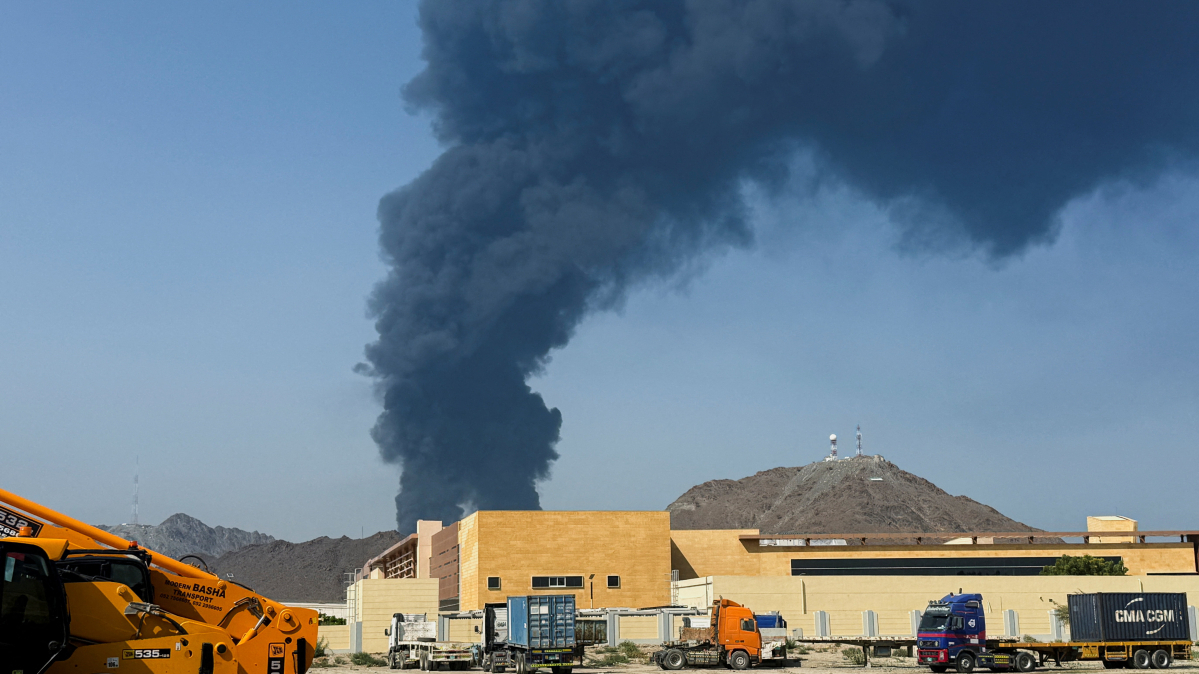
A fire broke out at the Gulf state’s Fujairah Oil Industry Zone on Monday (4 May), after it was hit by a drone. The UAE’s authorities blamed Iran for the strike, in which three Indian nationals were injured.
The UAE's Foreign Ministry said in a statement on Monday that the incident was a serious escalation and posed a direct threat to the country’s security, adding that it reserved the "full and legitimate right" to respond.
Regional response
India’s Foreign Ministry Spokesman Randhir Jaiswal said on Tuesday that the attack on Fujairah was “unacceptable” and reiterated for all parties in the conflict to stop fighting.
United Arab Emirates President Sheikh Mohammed bin Zayed Al Nahyan received calls from regional leaders, including Israeli Prime Minister Benjamin Netanyahu, condemning what they described as Iranian attacks on civilians and civilian facilities in the UAE, the state news agency WAM said on Wednesday.
The leaders "affirmed their countries' solidarity with the UAE and support for measures it takes to safeguard its security and stability and ensure the safety of its citizens," WAM added.
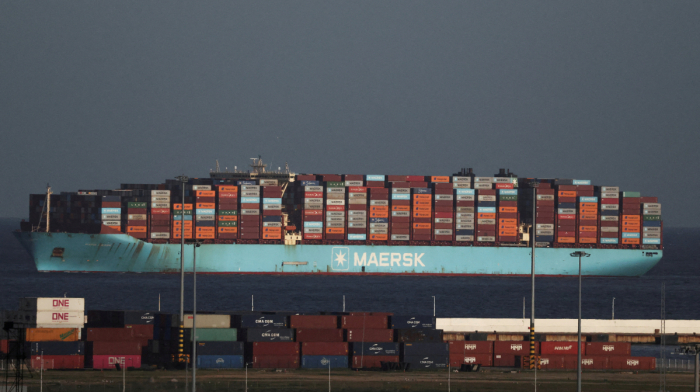
The Middle East has been on the brink since the U.S. and Israel launched strikes against Iran on 28 February. Tehran retaliated by attacking Israel and U.S. allies in the Gulf, as well as effectively closing the Strait of Hormuz, a sea passage crucial for global shipping.













What is your opinion on this topic?
Leave the first comment