U.S. President Donald Trump has predicted a swift end to the war with Iran, as Tehran considers a U.S.-backed peace proposal that sources say could formally end the conflict but leaves several core disputes unresolved.
The proposal is reported to focus on halting the war that began on 28 February 2026, while postponing agreements on key U.S. demands, including restrictions on Iran’s nuclear programme and the reopening of the Strait of Hormuz.
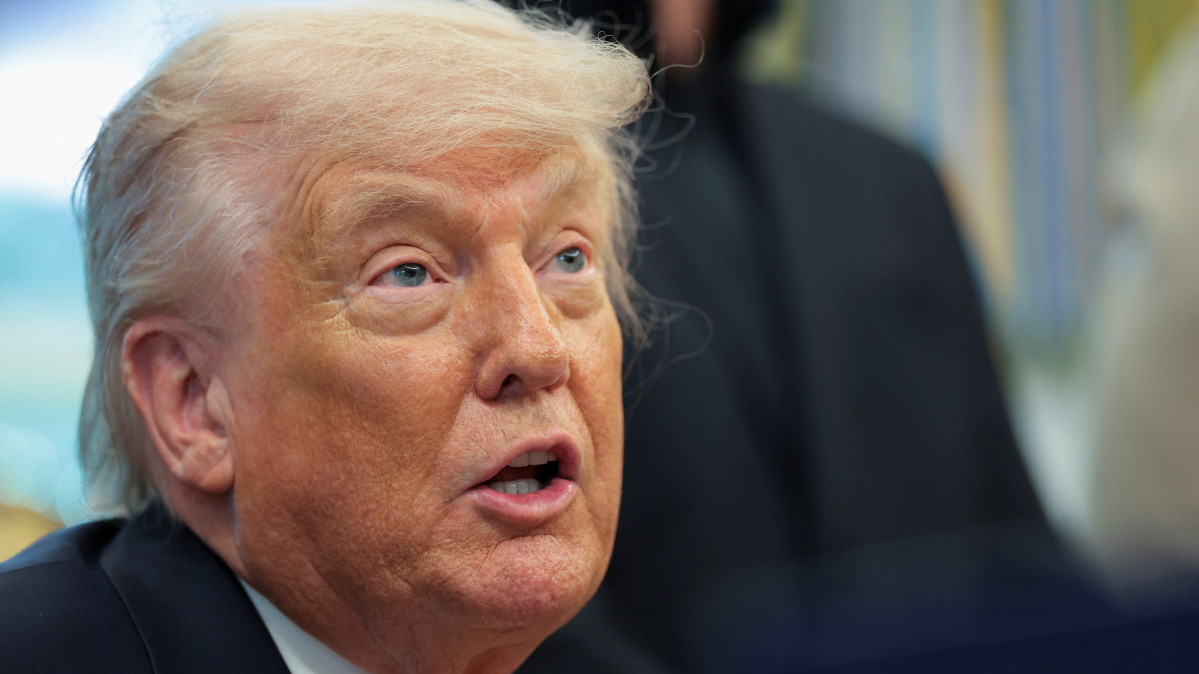
“They want to make a deal. We’ve had very good talks over the last 24 hours, and it’s very possible that we’ll make a deal,” Trump told reporters at the White House on Wednesday, adding later that “it’ll be over quickly.”
Tehran's response
Iranian officials have responded cautiously to the proposal. A foreign ministry spokesperson cited by state news agency said Tehran would formally convey its response, while lawmakers described the plan as one-sided.
Ebrahim Rezaei, a Spokesperson for Iran’s Parliamentary Foreign Policy and National Security Committee, said the proposal was “more of an American wish-list than a reality.”
Iranian Parliament Speaker Mohammad Baqer Qalibaf appeared to mock the reports, writing on social media: “Operation Trust Me Bro failed.”
Key issues
According to sources briefed on the mediation, the emerging framework would initiate further negotiations on lifting U.S. sanctions on Iran, securing maritime traffic through the Strait of Hormuz, and setting limits on Iran’s nuclear programme.
However, the reported outline does not appear to include several long-standing U.S. demands, including restrictions on Iran’s missile programme and its regional network of allied armed groups.
Iran’s stockpile of highly enriched uranium was also not addressed in the reported initial framework.
Diplomatic efforts
The mediation effort is reportedly being led by U.S. envoy Steve Witkoff and adviser Jared Kushner, according to sources cited in the talks.
If an initial memorandum is agreed, it would reportedly open a 30-day window for detailed negotiations toward a broader settlement.
Despite growing market optimism, officials on both sides have stressed that major political and security differences remain unresolved, leaving the outlook for a lasting agreement uncertain.
Markets' reaction
Reports of a possible framework agreement triggered a sharp reaction in global markets, with oil prices falling and equities rising on expectations that hostilities could ease.
Brent crude Brent crude oil briefly fell by around 11% to near $98 a barrel before recovering above $100, reflecting continued volatility in energy markets.
Analysts said markets were reacting more to the prospect of de-escalation than to confirmed details of any agreement, which remain limited.
Read more:



















What is your opinion on this topic?
Leave the first comment