Latvia is strengthening its anti-drone capabilities along its borders with Russia and Moscow-allied Belarus after several drones entered the NATO member’s airspace, according to a senior military official.
Recent weeks have seen Ukrainian drones stray into the airspace of Baltic NATO countries, heightening tensions with Russia and exposing vulnerabilities in regional air defence systems. Kyiv has said Russian electronic jamming disrupted some Ukrainian drones targeting Russian Baltic oil facilities, causing them to veer off course.
On 7 May, two drones exploded at an unused oil storage site in Latvia. Another drone crashed into a lake on Saturday after reportedly entering the country without being detected. A fisherman witnessed the incident.
Similar cases have occurred across the Baltic region. In Lithuania, lawmakers in the capital, Vilnius, were forced to shelter underground on 20 May after a drone approached the city. A NATO fighter jet also shot down another drone over Estonia on 19 May.
Latvia to deploy interceptor teams
During the Drone Summit conference in Latvia, Modris Kairiss, head of the Latvian Army’s Autonomous Systems Competence Centre, said specialised interceptor teams would begin operating within two weeks.
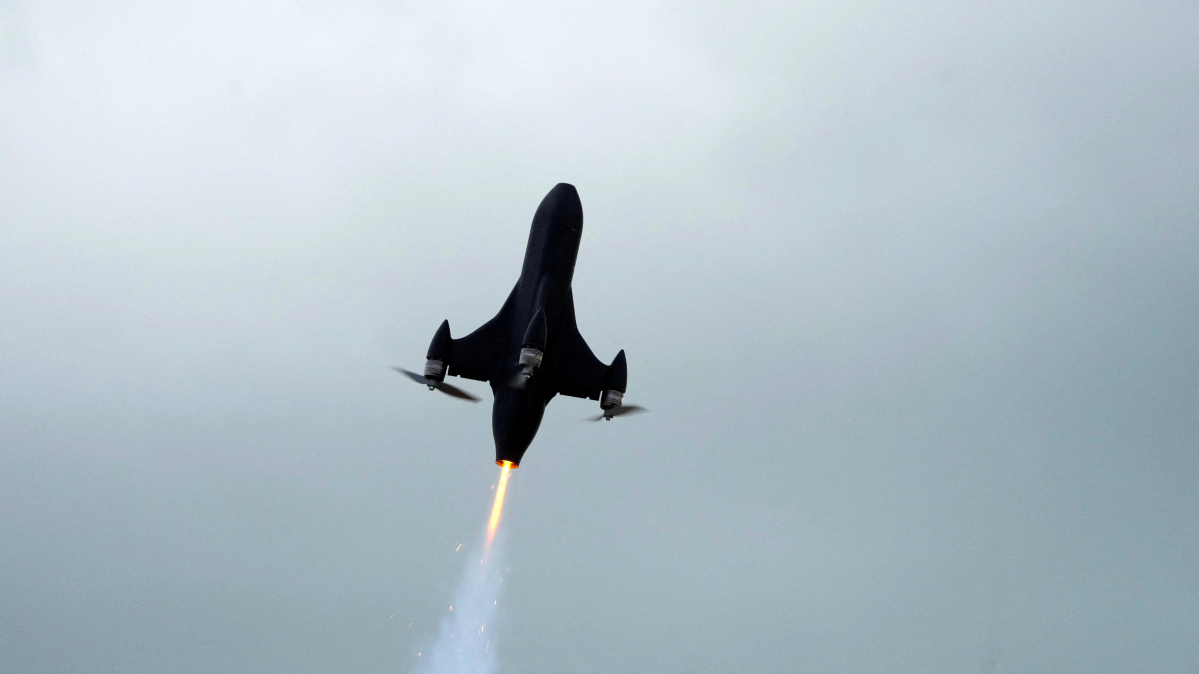
The units will include up to four soldiers using rugged military vehicles equipped with “killer drones” capable of destroying hostile drones within a radius of around 10 kilometres.
Kairiss did not disclose how many teams would patrol Latvia’s 400-kilometre border with Russia and Belarus, saying the figure remains classified.
“We need to expand the number of these teams, but we also have to balance that with the army’s wider requirements,” he said. “Deploying them across every kilometre of the border would quickly exhaust military resources.”
Growing drone threat challenges NATO
Kairiss said NATO countries face increasing difficulties responding to drone incidents during peacetime because radar information is classified, making coordination slower and more complicated.
“It’s not enough simply to engage any object that appears,” he said. “We first need to identify it properly to avoid striking civilian aircraft.”
He also warned that the growing use of small drones presents a major challenge for NATO and regional militaries.
“Small drones are advancing faster than anti-drone systems,” he said. “Detecting and intercepting these targets is extremely difficult, and this is a challenge all of us will soon face.”

















What is your opinion on this topic?
Leave the first comment