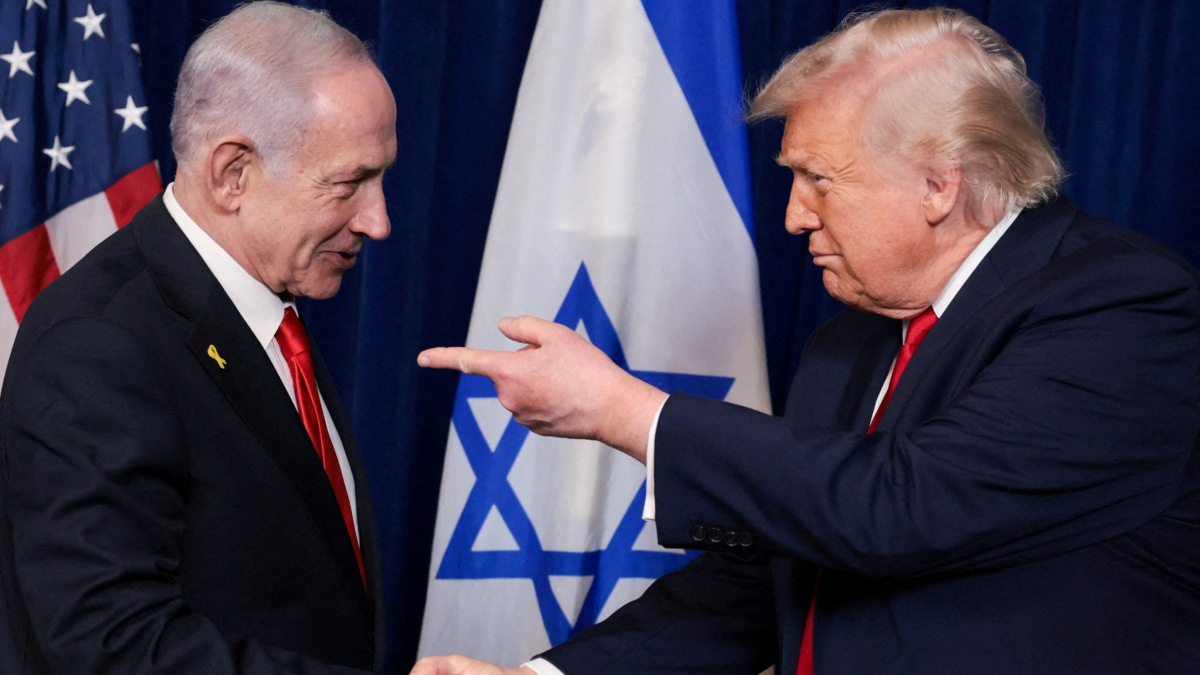
Israeli Prime Minister Benjamin Netanyahu has told confidants that Israel has limited ability to influence U.S. President Donald Trump’s decisions on Iran, as Washington negotiates a deal aimed at ending the three-month-old war, according to two Israeli officials.
The comments, described to Reuters by officials familiar with the private discussions, come as Israel has largely been excluded from talks to reach an initial agreement between the United States and Iran.
The proposed deal, still under negotiation, could see Iran reopen the Strait of Hormuz in exchange for the lifting of a U.S. naval blockade, followed by further discussions on Tehran’s nuclear programme. Indirect talks between the U.S. and Iran have been mediated by Pakistan.
Despite the deal not directly addressing Israel’s concerns over Iran’s nuclear ambitions, one official said Netanyahu acknowledged that Israel “has no manoeuvre to influence the president right now”.
Concerns over terms of potential deal
Israeli concerns centre on whether any agreement would restrict its military actions. Netanyahu has insisted on retaining the right to act against perceived threats, including in Lebanon.
This position could complicate negotiations if Iran demands a full halt to Israeli military operations as part of any broader deal.
U.S. President Donald Trump has projected confidence in his influence over Israel’s actions, saying Netanyahu would “do whatever I want him to do”. Netanyahu’s office has not responded publicly to the reported remarks.
Strikes on Hezbollah set to intensify
At the same time, Netanyahu has signalled an escalation in Israel’s campaign against Hezbollah in Lebanon.
“We are at war with Hezbollah, and we will intensify our strikes,” he said in a video message, adding that Israel would not take its “foot off the gas”.
The statement comes despite an April 16 ceasefire intended to halt hostilities between Israel and the Iran-backed group.
A U.S. official said Hezbollah had ignored repeated warnings to stop firing at Israel, accusing the group of attempting to derail talks by launching drones and rockets.
Rising tensions despite ceasefire
Since the ceasefire, clashes have continued. Hezbollah has fired explosive drones at Israeli forces and northern Israeli towns, killing at least 11 soldiers, according to the Israeli military.
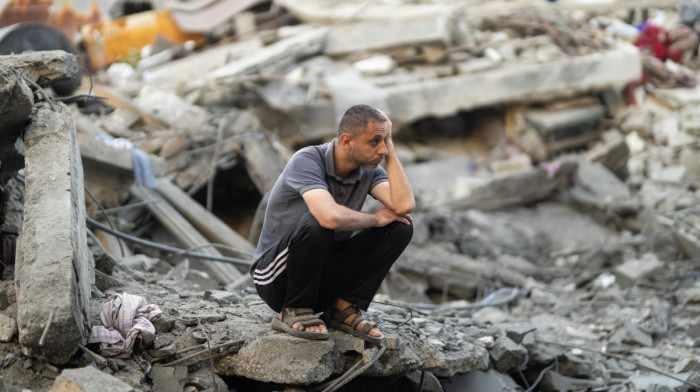
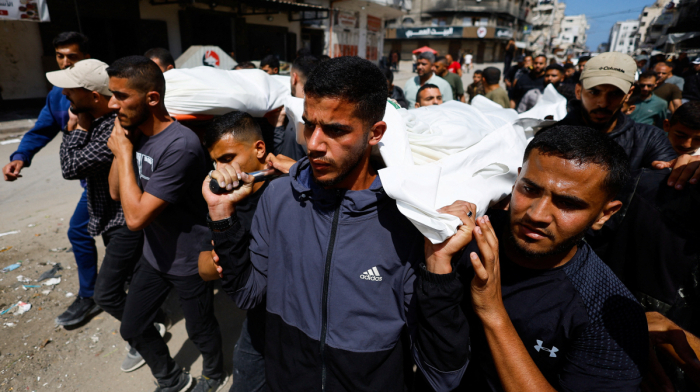
In Lebanon, at least 608 people have been killed in Israeli strikes during the same period, according to the World Health Organization.
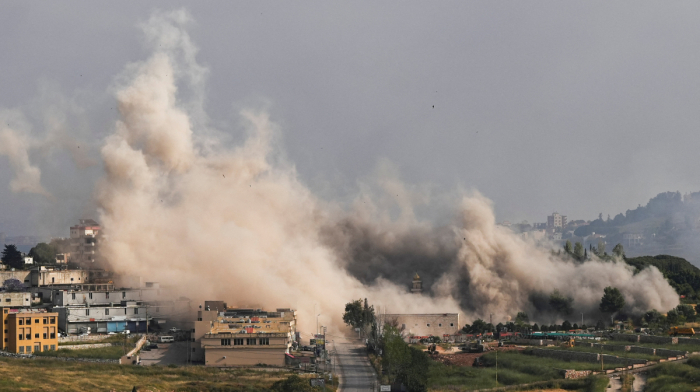
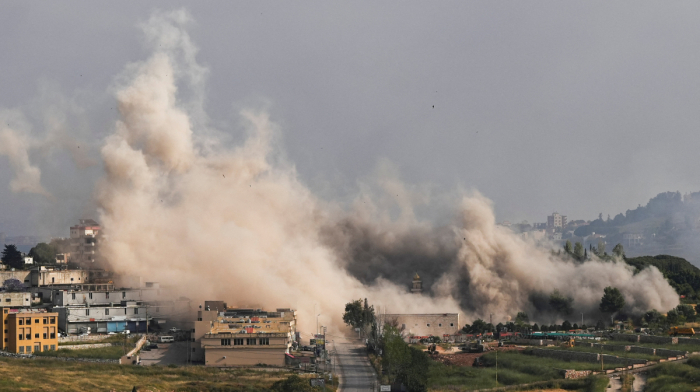
Israel has maintained a military presence in parts of southern Lebanon, continuing air strikes on what it describes as Hezbollah positions, while ground forces have demolished areas believed to host the group.
Fears of renewed conflict in Beirut
Netanyahu’s latest comments have raised fears of a broader escalation.
Following his video statement, residents began fleeing Beirut’s southern suburbs, an area seen as a Hezbollah stronghold, according to Lebanese security sources.
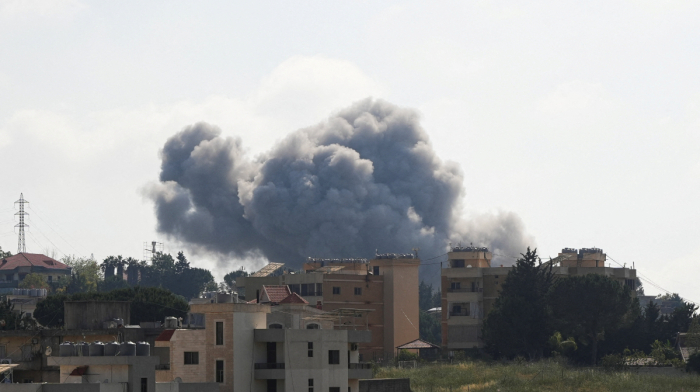
Although Israel has largely refrained from striking Beirut since the April ceasefire, apart from a targeted attack earlier this month, its military said it launched renewed strikes on eastern Lebanon’s Bekaa Valley.
Netanyahu did not clarify whether Israel would resume widespread attacks on the capital.
Political pressure at home
The Israeli leader is also under pressure domestically, with some ministers calling for a tougher response.
Finance Minister Bezalel Smotrich urged intensified action, saying strikes on Beirut should follow Hezbollah drone attacks.
Another minister, Itamar Ben Gvir, called on Netanyahu to take a firmer stance with Washington and return to full-scale conflict in Lebanon.
Meanwhile, Hezbollah leader Naim Qassem has escalated rhetoric, suggesting people could take action against Lebanon’s government, though he stopped short of directly calling for protests.
Diplomacy under strain
The developments come as Iranian officials have been holding talks in Doha on a possible agreement with the U.S., even as both sides play down expectations of a breakthrough.
It remains unclear whether Israel’s escalation in Lebanon will affect negotiations, including a separate U.S.-brokered process between Israel and Lebanon, which recently agreed to extend a ceasefire by 45 days.
The situation highlights the complexity of parallel negotiations and conflicts, with diplomacy and military action continuing side by side.














What is your opinion on this topic?
Leave the first comment