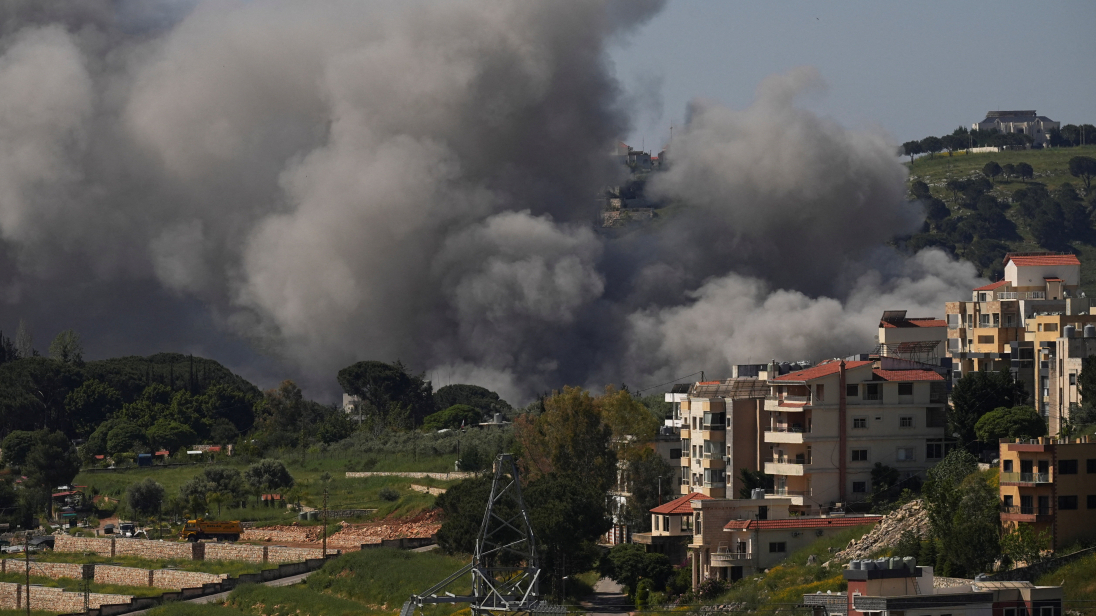
Israel carried out airstrikes on Beirut’s southern suburbs on Wednesday evening, the first such attack there since a U.S.-brokered ceasefire with Lebanon took effect on 16 April, according to the Lebanese broadcaster al‑Jadeed.
Lebanon’s National News Agency said an Israeli warship fired three missiles at a residential apartment in the Haret Hreik area, causing heavy damage and sending ambulances to the scene. It also reported intensive low‑altitude flights by Israeli military drones over Beirut and its southern suburbs.
Israeli Prime Minister Benjamin Netanyahu and Defence Minister Israel Katz confirmed the strike in a joint statement, saying it targeted Malki Blout, a Commander of Hezbollah’s Radwan Force, in what they described as an attempt to neutralise him. They accused Blout of directing fire at Israeli communities and targeting Israeli soldiers.
Israel’s state‑owned Kan TV reported that Israeli security officials believe Blout was killed in the attack, which they said was coordinated with the United States.
According to the National News Agency, Israeli airstrikes and artillery fire on Wednesday killed at least 17 people and wounded dozens more across southern and eastern Lebanon, including a village mayor and three members of his family. Hezbollah said it carried out retaliatory attacks against Israeli military vehicles and troop gatherings.
The escalation came despite a ceasefire that took effect between 16 and 17 April and was extended on 23 April for a further three weeks.
Lebanon’s Health Ministry Emergency Operations Centre said Israeli strikes between 2 March and 6 May have killed 2,715 people and injured 8,353 others.
Lebanon’s Prime Minister Nawaf Salam said on Wednesday it was “still premature” to discuss any potential meeting with Benjamin Netanyahu. He said any high‑level meeting with Israel would require extensive preparations, adding that Lebanon was not seeking normalisation but peace.
Nawaf Salam said consolidating the ceasefire would be the basis for any future negotiations, which could take place in Washington and that Lebanon’s minimum demand was a timetable for Israel’s withdrawal alongside steps to restrict weapons to state control.
Russian state media outlet RIA Novosti, citing an unnamed diplomatic source, reported that a third round of talks between Lebanon and Israel is expected to be held in Washington next week.
















What is your opinion on this topic?
Leave the first comment