




23:25 CET
Nigeria confirms Ebola case in Abuja
Nigerian health authorities have confirmed a case of Ebola disease in the Federal Capital Territory (FCT)...


Tajikistan is hosting the Fourth International Conference on the International Decade for Action “Water for Sustainable Development” in Dushanbe from 25 to 28 May, bringing together more than 2,500 participants from governments, international organisations and financial institutions.
The conference is focused on water security, glacier preservation and climate change at a time when environmental pressures are increasingly shaping regional stability across Central Asia. Tajikistan has positioned itself as a leading voice in global water diplomacy, having initiated 14 United Nations resolutions related to water resources. The gathering is also expected to help shape preparations for the 2026 United Nations Water Conference in Abu Dhabi.
Against this backdrop, water diplomacy is increasingly emerging as a defining regional issue in Central Asia, where shared river systems, climate pressures and competing development needs are adding new layers of complexity to already sensitive geopolitical dynamics.
The topic has gained renewed attention following calls by Tajikistan’s President Emomali Rahmon for stronger regional cooperation on water management, as countries across the region face growing environmental stress linked to shrinking water resources, glacier loss and changing river flows.
Central Asia sits at the heart of one of the world’s most interconnected water systems, where major rivers such as the Amu Darya and Syr Darya cross multiple borders and underpin agriculture, energy production and economic stability. At the same time, climate change is accelerating glacial retreat in upstream countries, while downstream regions face increasing pressure from water scarcity and infrastructure demands.
AnewZ's Bakhtiyar Hasanov spoke with Professor Larissa Naylor, Professor of Geomorphology and Environmental Geography, about the importance of water diplomacy in Central Asia today.
Professor Naylor said water diplomacy is a critical issue globally, particularly in regions where multiple countries depend on shared water systems across interconnected basins.
“Water diplomacy is a key issue worldwide but particularly in a region like the Caspian sea when so many different countries are on its border and there are also large rivers such as the Volga River which drain into the Caspian sea and are very much threatened by changing conditions.”
She explained that rising temperatures are directly altering hydrological cycles, affecting both river flow and overall water availability across the region.
“The runoff changes in the spring but hotter temperatures mean the river itself is evaporating and so there is less water coming into the Caspian Sea.”
Beyond climate change, Professor Naylor also highlighted the growing impact of human activity on already stressed water systems, including abstraction, dam construction and diversion of river flows.
“There is also a human abstraction of water, so we take water out of our river systems, we dam river systems and that limits the amount of water that is entering The Caspian Sea in this region.”
These combined pressures, she noted, are unfolding in a region already shaped by complex political relationships, where environmental stress risks becoming a multiplier of existing tensions.
Her remarks come as governments across Central Asia step up efforts to coordinate water management, improve monitoring systems and strengthen regional frameworks for cooperation. Initiatives range from glacier monitoring and data-sharing platforms to broader discussions on transboundary water governance.
Taken together, these developments underline how water is no longer only an environmental concern in Central Asia, but an increasingly strategic issue shaping diplomacy, security and long-term economic planning. As climate change accelerates and demand for water intensifies, the need for coordinated regional water diplomacy is becoming more urgent than ever.

Nigerian health authorities have confirmed a case of Ebola disease in the Federal Capital Territory (FCT)...
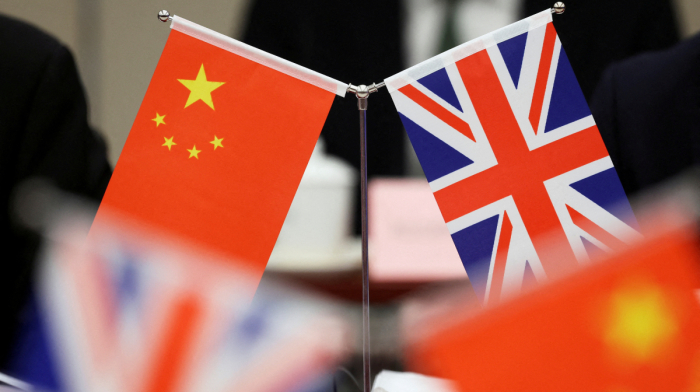
China has lodged a formal diplomatic protest with the UK after British border officials allegedly subjected Chinese travellers to lengthy questioni...
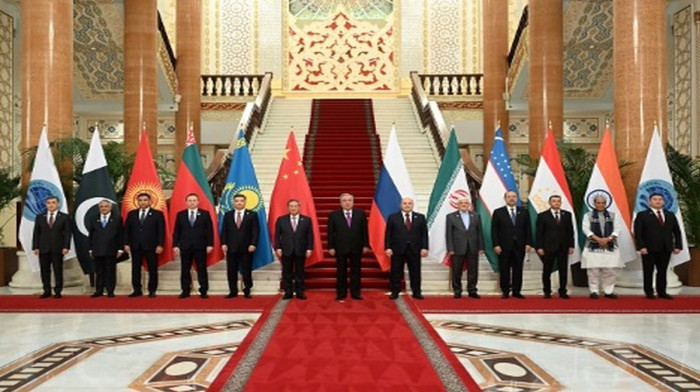
Member states of the Shanghai Cooperation Organisation (SCO) prevented 273 terrorist attacks and more than 3,000 crimes linked to terrorism, separa...

Ukrainian President Volodymyr Zelenskyy has arrived in Norway for talks about the Russia-Ukraine war. He is expected to meet with U.S. President Donald Trump's Special Envoy Steve Witkoff, who arrived in Oslo earlier. Witkoff will also meet European officials.
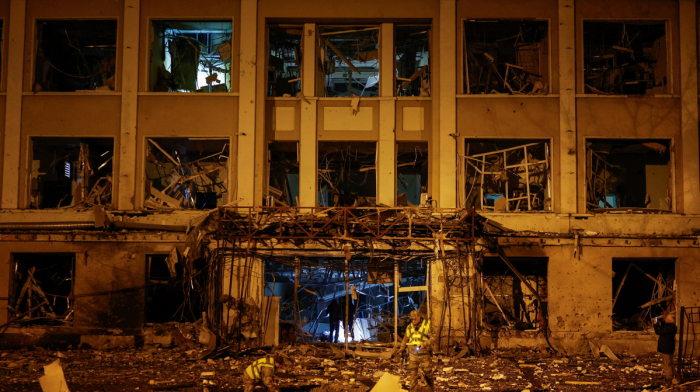
U.S. President Donald Trump has criticised Ukrainian President Volodymyr Zelenskyy for continuing to target Russia's energy infrastructure, while Russian strikes on Kyiv overnight killed at least one person and damaged a metro station.
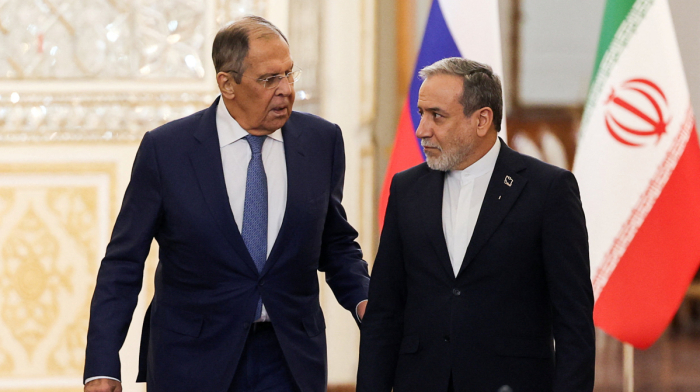
Iranian Foreign Minister Abbas Araghchi said regional issues should be resolved through diplomacy and blamed the United States for insecurity and tensions in the Strait of Hormuz, speaking at a joint news conference with Russian Foreign Minister Sergey Lavrov on Monday.

French President Emmanuel Macron has condemned the violence, looting and vandalism that erupted during cost-of-living protests across France. Prime Minister Sébastien Lecornu held crisis talks on Monday, calling for partial curfews and raising the possibility of a state of emergency.
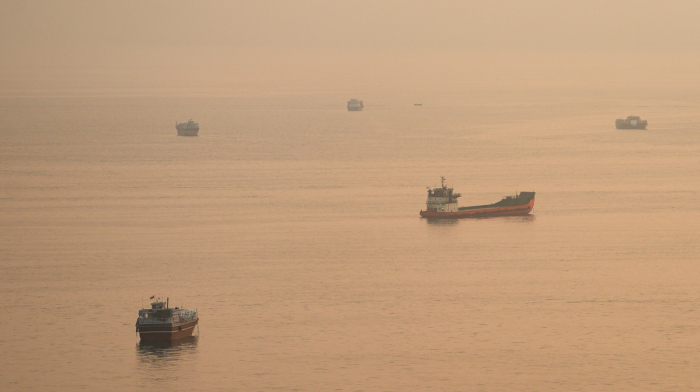
An oil tanker caught fire after striking a naval mine in the southern part of the Strait of Hormuz, Iran’s Islamic Revolutionary Guard Corps (IRGC) Navy said late Sunday.
Member states of the Shanghai Cooperation Organisation (SCO) prevented 273 terrorist attacks and more than 3,000 crimes linked to terrorism, separatism and extremism in 2025, according to the bloc's regional counter-terrorism body.
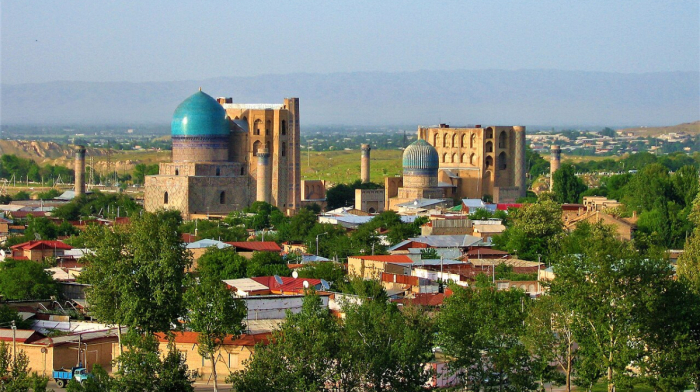
The C5+1 ministerial meeting in Samarkand has strengthened economic ties between the U.S. and Central Asia, with Uzbekistan securing 54 agreements and initiatives worth around $12 billion with U.S. companies and institutions.
Iranian Foreign Minister Abbas Araghchi said regional issues should be resolved through diplomacy and blamed the United States for insecurity and tensions in the Strait of Hormuz, speaking at a joint news conference with Russian Foreign Minister Sergey Lavrov on Monday.
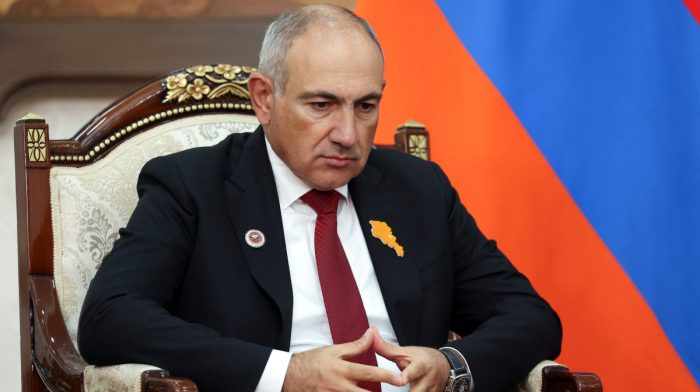
Armenia could face soaring gas prices, a sharp drop in remittances and tighter restrictions on migrant workers if its membership of the Eurasian Economic Union (EAEU) is suspended, according to a new report examining the risks of closer ties with the European Union.
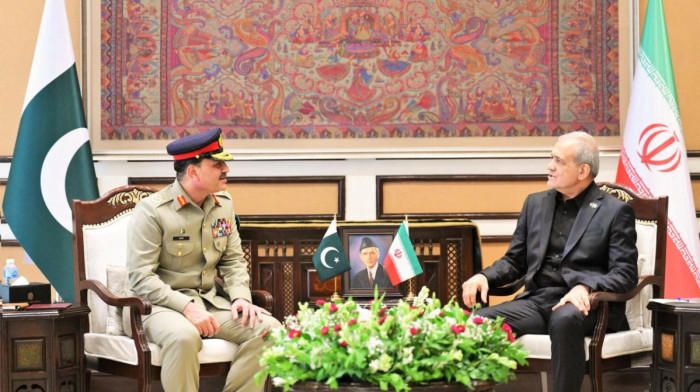
Pakistan’s military chief is heading to Iran for talks as Islamabad pushes for dialogue between Tehran and Washington, while reaffirming its defence commitment to Saudi Arabia and strengthening security ties with Qatar.
You can download the AnewZ application from Play Store and the App Store.




What is your opinion on this topic?
Leave the first comment