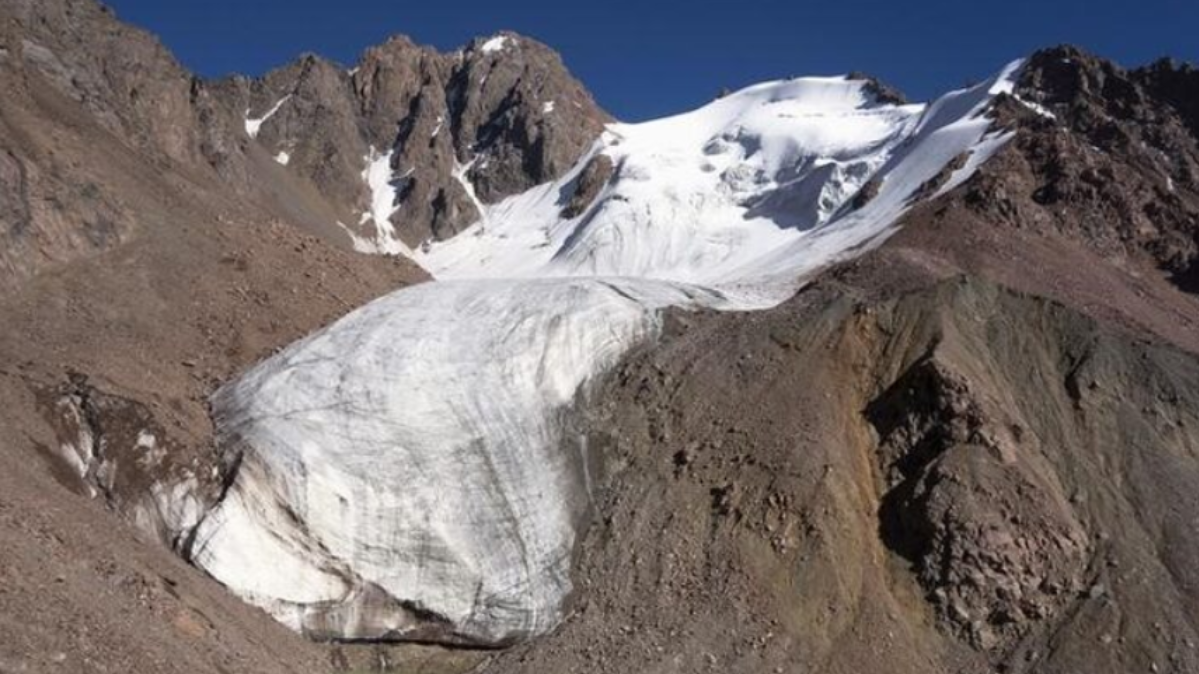
More than 1,300 glaciers have disappeared in Tajikistan, President Emomali Rahmon has said, warning of growing strain on water resources across Central Asia.
President Emomali Rahmon made the remarks at a regional summit on climate change and sustainable development in Astana, where leaders have been addressing mounting environmental challenges across the region.
His comments reflect rising concern over the pace of ecological change in a country that plays a pivotal role in Central Asia’s water system.
Glacier retreat poses regional risks
Tajikistan accounts for up to 60% of the region’s water resources, meaning environmental changes within its borders are likely to have consequences far beyond the country itself.
Out of roughly 14,000 glaciers, more than 1,300 have already melted, according to Rahmon, with the process continuing to accelerate.
This trend is widely regarded as a critical risk factor for regional stability. Experts have long warned that glacier retreat in Central Asia could disrupt river flows, particularly for downstream countries that depend on meltwater for agriculture and energy production.
Extreme weather and environmental degradation increasing
In this context, Rahmon linked the changes to broader environmental degradation, pointing to a rise in extreme weather events.
One of the most visible signs of this shift, he noted, is the growing frequency of dust storms. More than 60 such episodes were recorded in Tajikistan last year, lasting a combined total of around seven months.
By contrast, in the early 1990s, such events occurred only a few times a year. Their increasing duration is often associated with land degradation and changing climate conditions, underscoring the scale of environmental pressure facing the region.
Water management remains a strategic priority
Against this backdrop, water management remains one of the most sensitive and strategically important issues in Central Asia. Shared rivers such as the Amu Darya and Syr Darya cross national borders and underpin regional economies.
In response, Tajikistan is seeking to strengthen both regional and international cooperation.
Rahmon said the country plans to establish a regional glacier monitoring centre in Dushanbe under the World Meteorological Organisation, aiming to improve data sharing and coordination. He also proposed developing a regional carbon market, which he said could help attract investment into climate-related projects.
National and international initiatives under way
At the national level, the government has begun issuing green bonds and launched a long-term programme to plant more than one billion trees by 2040, as part of efforts to align with global climate initiatives and strengthen environmental resilience.
Looking ahead, Tajikistan is positioning itself as a platform for broader international dialogue on water security. The country is due to host an international water conference in Dushanbe in May 2026, where regional and international participants are expected to discuss cooperation on water management through to 2030.














What is your opinion on this topic?
Leave the first comment