China tightens Communist Party oversight of tech firms and digital finance
China’s ruling Communist Party is stepping up oversight of technology firms, internet platforms and digital finance in a sweeping drive to ta...
Samarkand is hosting the 59th Annual Meeting of the Asian Development Bank (ADB), where global leaders have gathered to discuss regional growth, as the bank unveils a major $70 billion initiative to strengthen energy and digital connectivity across Asia and the Pacific.
A central announcement of the forum is a major programme led by the ADB to support cross-border energy integration and digital infrastructure development through to 2035.
The initiative will focus on linking regional power grids, expanding electricity trade between countries, and improving broadband access, particularly in remote and landlocked areas. According to officials, the programme aims to enhance economic integration, reduce energy costs and improve digital inclusion across the region.
ADB President Masato Kanda stated that energy and digital access will define the region’s future, with plans to connect 22,000 kilometres of power lines, integrate 20 gigawatts of renewable energy, and improve electricity access for 200 million people. The initiative is also expected to create hundreds of thousands of jobs and significantly reduce emissions.
Held under the theme “Crossroads of Progress”, the meeting in Samarkand brings together more than 4,000 delegates from more than 100 countries, including government officials, financial institutions and private-sector leaders.
Discussions are centred on green transformation, energy transition, digitalisation, food security and strengthening supply chains, all seen as critical to long-term economic resilience.
Major international institutions, including the World Bank, the International Monetary Fund and the Asian Infrastructure Investment Bank, are also taking part, highlighting the forum’s role as a key platform for global economic dialogue.
Uzbekistan has been a member of the ADB since 1995 and remains one of its largest partners, with a total project portfolio approaching $16 billion.
The country is hosting the annual meeting for the second time, underscoring its increasing role in regional cooperation and its ambitions to position itself as a key hub for connectivity and development across Central Asia.
The discussions in Samarkand are expected to shape future approaches to infrastructure, investment and regional integration, as countries seek to balance economic growth with sustainability and resilience.
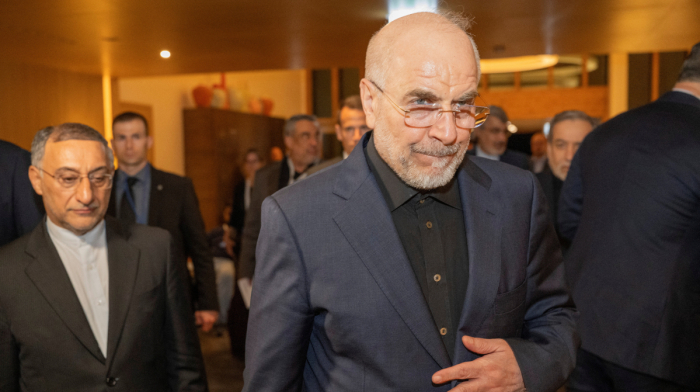
Iranian parliament speaker Mohammad Bagher Ghalibaf says the U.S. must act to prevent war after Tehran sent a “strong and rational response” to Washington. Meanwhile, U.S. forces have reportedly carried out limited strikes against Iranian targets, including Qeshm Island,
Hundreds of millions of U.S. citizens head to the polls on 3 November to elect the House of Representatives and Senate. How they vote could influence the direction of Donald Trump’s remaining 26 months in office and the outcomes of the Ukraine and Iran conflicts.
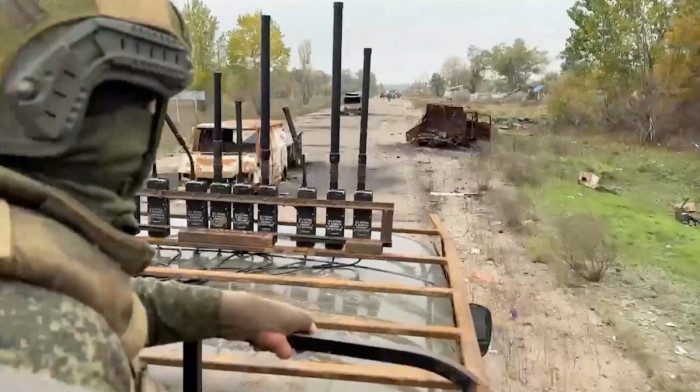
A six-day humanitarian ceasefire in the Russian-held Ukrainian town of Oleshky ended on Sunday, 1 November, after facilitating aid deliveries and civilian evacuations.
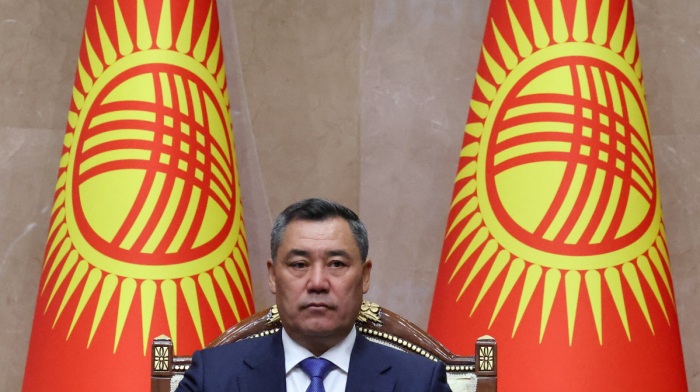
Kyrgyzstan has emerged as Central Asia’s fastest-growing economy, fuelled by a construction boom, public investment and trade linked to Russia. But with Western sanctions tightening, can the country sustain its rapid growth?
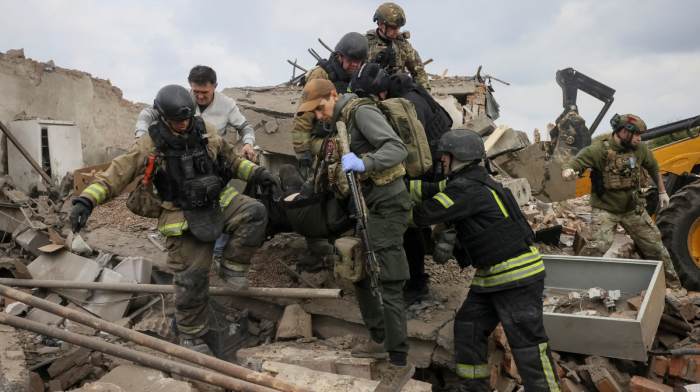
Russia airstrikes on a school used as a humanitarian aid distribution point in southeastern Ukraine's Zaporizhzhia region killed at least 26 people, including rescue workers and police officers, Ukrainian officials said. Another 27 people were reported missing.
A new book examining Azerbaijan’s military strategy, technology and operations during the Garabagh wars has been unveiled in Baku, offering insights into the country’s victories and lessons for modern warfare.
Iranian parliament speaker Mohammad Bagher Ghalibaf says the U.S. must act to prevent war after Tehran sent a “strong and rational response” to Washington. Meanwhile, U.S. forces have reportedly carried out limited strikes against Iranian targets, including Qeshm Island,
Tajikistan has banned electronic cigarettes and nicotine delivery systems, becoming the latest Central Asian country to outlaw their production, import and sale as part of a wider push to protect public health.
Kyrgyzstan has emerged as Central Asia’s fastest-growing economy, fuelled by a construction boom, public investment and trade linked to Russia. But with Western sanctions tightening, can the country sustain its rapid growth?
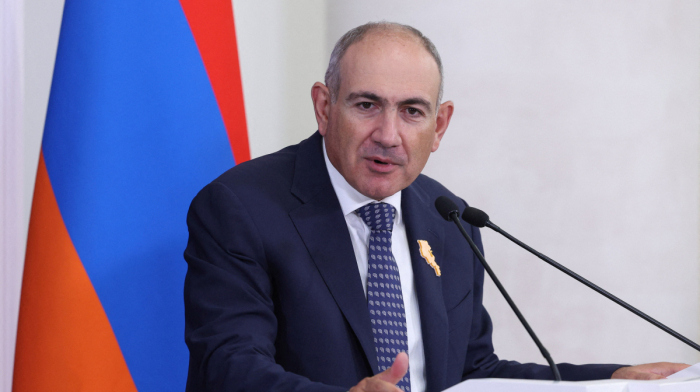
Armenian Prime Minister Nikol Pashinyan said the government plans to publish a draft of the country's new constitution in November, with public consultations to follow, as constitutional reforms remain a key issue in efforts to secure a final peace agreement with Azerbaijan.
You can download the AnewZ application from Play Store and the App Store.
What is your opinion on this topic?
Leave the first comment