What is hantavirus? Three people have died and three are still ill on a Netherlands-based cruise ship after it was hit by a suspected outbreak of the deadly virus, according to authorities on Sunday.
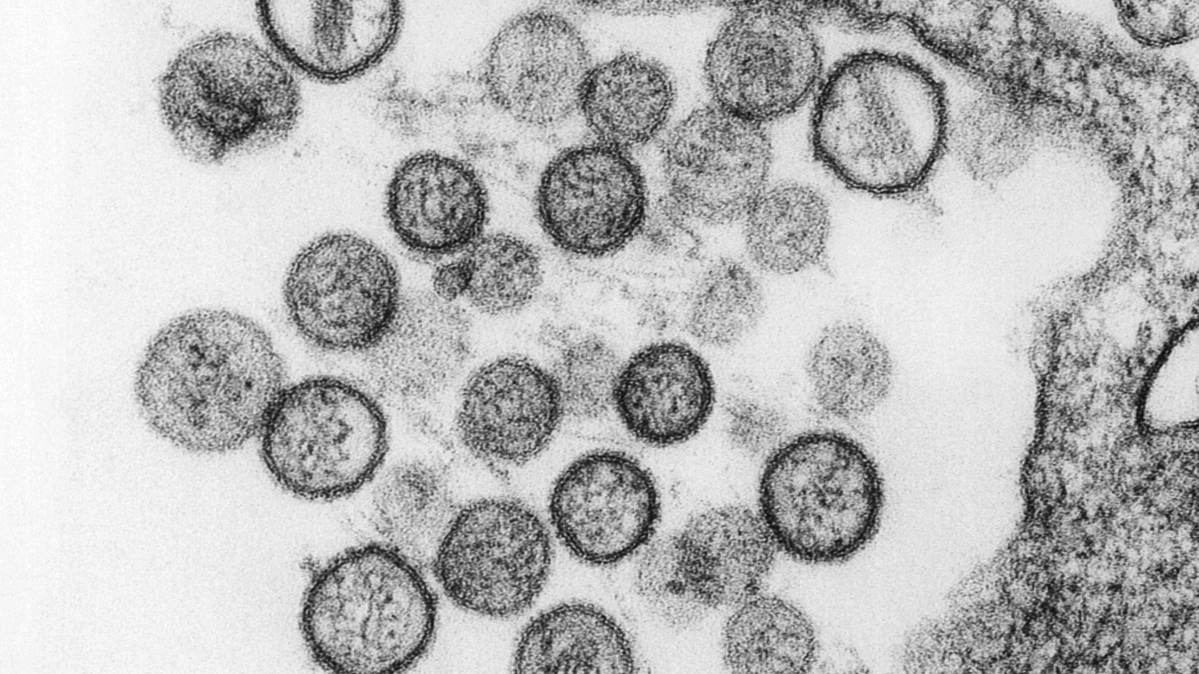
Hantavirus is a group of viruses carried primarily by rodents and transmitted to humans through environmental exposure. The World Health Organization (WHO) says infection most often occurs when people inhale airborne particles contaminated with the urine, faeces or saliva of infected rodents.
In the Americas, hantavirus can cause hantavirus pulmonary syndrome (HPS), a rare but severe illness that affects the lungs. In Europe and parts of Asia, related strains tend to cause kidney disease, known as haemorrhagic fever with renal syndrome.
How people become infected
WHO says hantavirus infection is usually linked to environmental exposure, rather than direct contact with infected people.
The Andes strain of hantavirus, found largely in Argentina and Chile, is the only known variant that can spread through close, prolonged human-to-human contact. The WHO believes this is the strain responsible of the infections on the cruise ship.
Situations that increase risk include:
- Cleaning enclosed or poorly ventilated areas with rodent infestation
- Disturbing dust contaminated with rodent droppings or urine
- Working in agricultural, rural or storage environments
- Staying in ships, cabins or buildings where rodents may be present
Rodent bites are a possible but uncommon route of transmission.
Symptoms and illness progression
Sympoms typicaly begin between one and eight weeks after exposure. Early symptoms are often non‑specific and may resemble other viral illnesses. WHO lists common early signs as:
- Fever and fatigue
- Muscle aches
- Headache and dizziness
- Nausea, vomiting or abdominal pain
In severe cases, particularly hantavirus pulmonary syndrome, symptoms can progress rapidly to:
- Coughing and breathing difficulty
- Fluid accumulation in the lungs
- Acute respiratory failure
- Internal bleeding
- Renal syndrome (Kidney failure)
WHO says hantavirus infections can be life‑threatening and require careful monitoring, respiratory support and intensive medical care.
Can hantavirus be treated?
In the Americas, the infection can cause hantavirus cardiopulmonary syndrome, which progresses quickly and leads to fluid buildup in the lungs along with heart complications.
Fatality rates from hantavirus cardiopulmonary syndrome are up to 50%, the WHO says, compared to 1-15% from the infections common in Asia and Europe.
There is currently no specific antiviral treatment. Therapy focuses on rest and fluid intake. In serious cases, patients may need breathing support such as a ventilator.
How common is hantavirus?
While hantavirus infections are considered rare, the WHO estimates there are between 10,000 and 100,000 cases of the virus each year. The severity of the virus depends on the particular strain acquired.
The WHO says the risk to the wider public remains low.
In December 2025, the WHO's Americas branch warned that infections were rising in the region, particularly in Bolivia and Paraguay. In Brazil and Argentina, where the most cases are reported, the two countries have seen increasing lethality of the infection.
Argentina reported 21 deaths last year, a 32% fatality rate among the 66 who contracted hantavirus pulmonary syndrome, compared with a 15% average over the past four years.
Notable Hantavirus deaths
Concert pianist Betsy Arakawa, wife of actor Gene Hackman, died from hantavirus pulmonary syndrome in New Mexico in 2025. According to autopsy results.
Fatality rates vary by virus strain, but the WHO says some forms, including HPS, have high mortality and demand rapid diagnosis and treatment.
Can hantavirus spread between people?
According to the WHO, person‑to‑person transmission of hantavirus is very rare. Most infections occur through contact with rodent‑contaminated environments.
Limited human‑to‑human transmission has been documented only in specific circumstances involving a strain found in South America, and requires close contact. As a result, widespread transmission between people is not considered typical.
Prevention and public health response
WHO advises that prevention focuses on reducing exposure to rodents and contaminated spaces. Key measures include:
- Preventing rodent access to buildings
- Safe cleaning practices using disinfectants
- Avoiding sweeping or vacuuming dry rodent droppings
- Using protective equipment in high‑risk settings
When suspected cases arise, WHO supports laboratory testing, epidemiological investigations, risk assessments and coordination between countries, particularly when cases involve international travel or transport.
Why awareness matters
WHO says hantavirus infections, though rare, can escalate quickly and lead to severe illness or death. Public awareness, early medical attention and adherence to prevention guidance are critical to limiting risk and protecting public health.















What is your opinion on this topic?
Leave the first comment