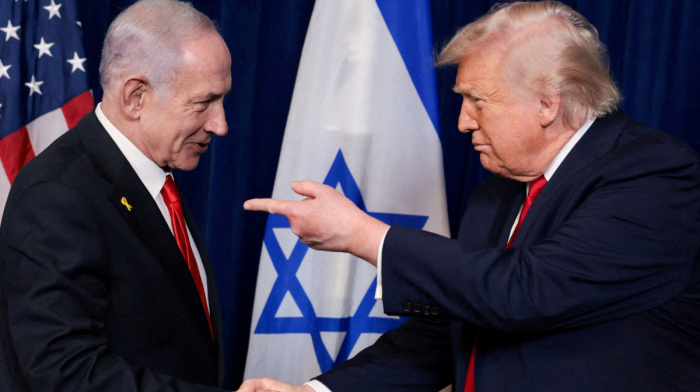
President Donald Trump has said the United States could restart strikes on Iran “if they misbehave”, as he waits to review the full details of a new proposal from Tehran.
Speaking to reporters in West Palm Beach, Florida, before boarding a flight on Saturday (2 May), Trump said he had been briefed on the outline of a potential agreement but had yet to see the final text.
“They told me about the concept of the deal. They’re going to give me the exact wording now,” he said.
He later added on social media that he could not imagine the proposal would be acceptable and said Iran had not “paid a big enough price” for its actions.
Asked whether military action could resume, Trump replied: “I don’t want to say that… If they misbehave, if they do something bad, right now we’ll see. But it’s a possibility that could happen.”
Iran's proposal
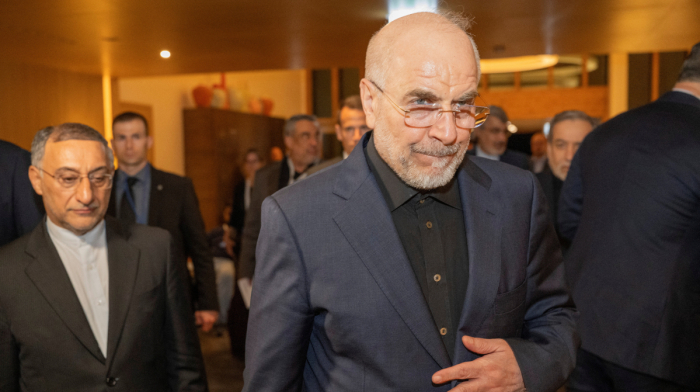
A senior Iranian official said the plan put forward by Tehran would reopen shipping in the Strait of Hormuz and bring an end to the U.S. blockade, while postponing talks on Iran’s nuclear programme.
The official said the proposal had been formally shared with Washington through mediators and described it as an attempt to create space for wider negotiations.
Iran’s foreign minister has said the country is ready for diplomacy if the United States changes its approach. Trump, however, has repeatedly said Iran must not obtain a nuclear weapon and has already expressed dissatisfaction with the latest offer.
Pressure over Strait of Hormuz
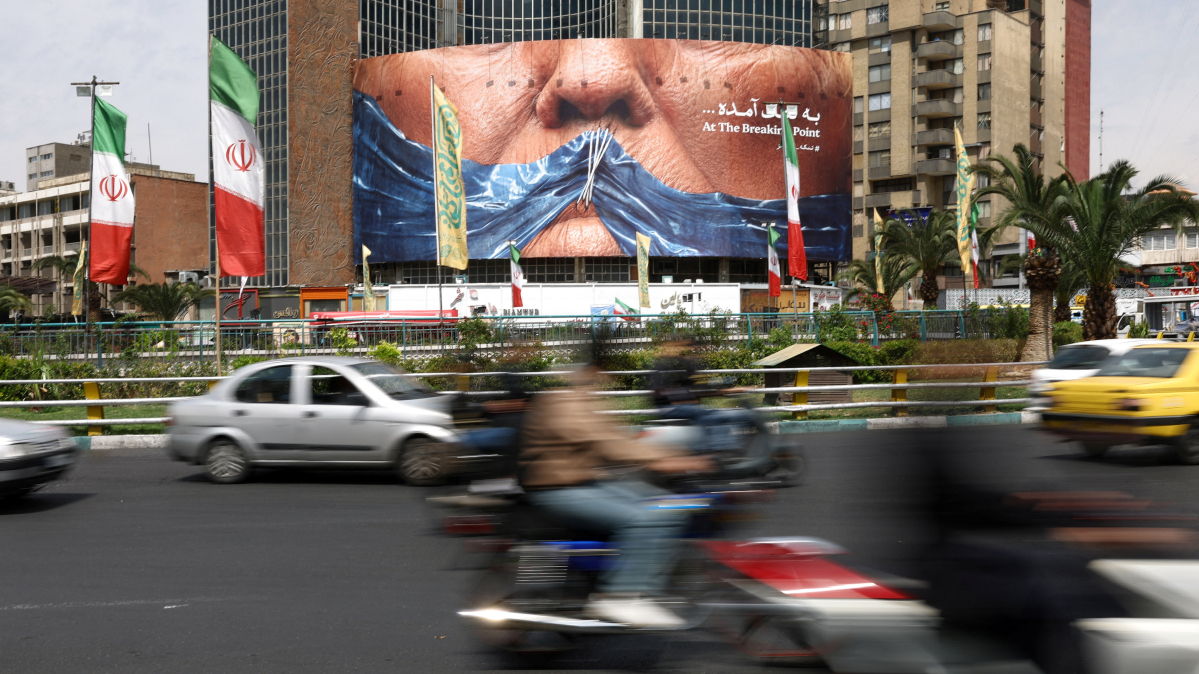
The Strait of Hormuz remains central to the dispute. The route carries around a fifth of the world’s oil and gas supplies, and ongoing disruption has pushed up global energy prices.
Iran has restricted most shipping through the strait for more than two months, while the United States has imposed its own blockade on vessels linked to Iranian ports.
Under Tehran’s proposal, the strait would reopen and hostilities would end, with guarantees that the U.S. and Israel would not launch further attacks. More complex negotiations over Iran’s nuclear programme would follow at a later stage.
Ongoing tensions
The U.S. and Israel halted their bombing campaign against Iran four weeks ago, but no agreement has been formally reached to end the conflict.
Trump has said he would prefer to avoid further military action “on a human basis”, but faces pressure at home as rising fuel prices affect voters ahead of November’s midterm elections.
The conflict has disrupted global energy markets and raised concerns about wider economic impacts, while both sides continue to signal that a final deal remains uncertain.










What is your opinion on this topic?
Leave the first comment