Report alleges rise in Indian arms shipments to Armenia despite peace rhetoric
The Azerbaijani publication Minval Politika alleges that Armenia is quietly strengthening its military capabilities in a manner similar to the period...
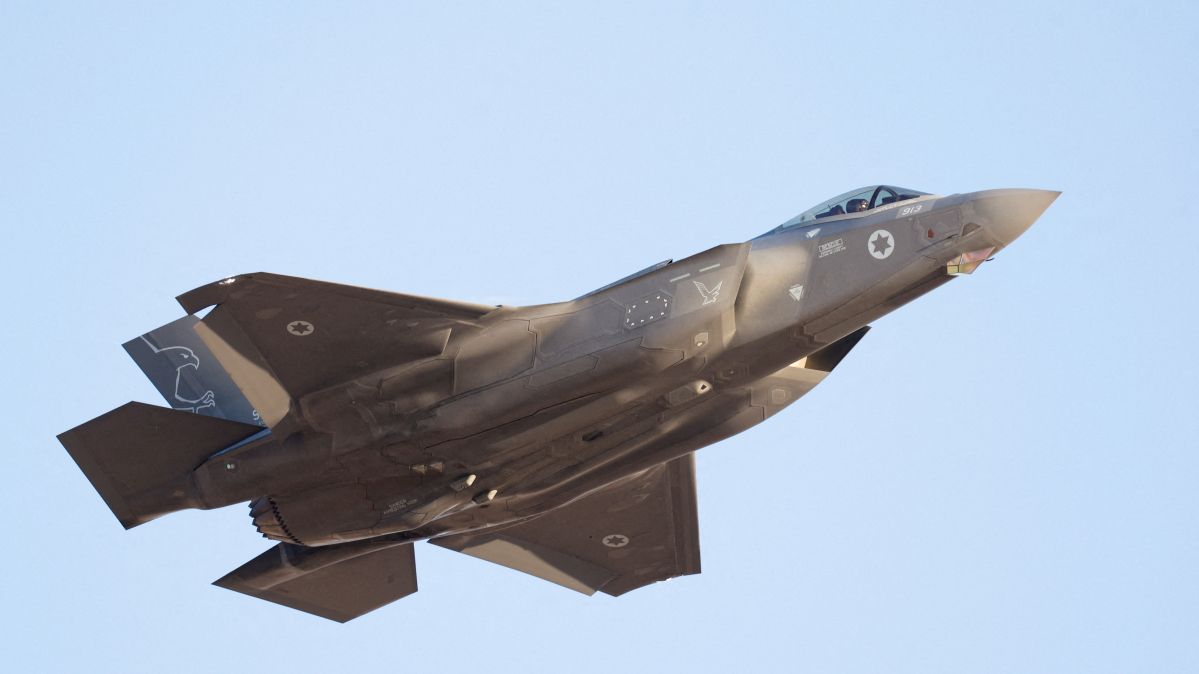
Israel has approved a major defence deal to purchase new squadrons of advanced fighter jets from U.S. manufacturers Lockheed Martin and Boeing, the country’s defence ministry said on Sunday (3 May).
The agreement includes plans to acquire a fourth squadron of F-35 aircraft and a second squadron of F-15IA jets, in a programme worth tens of billions of dollars.
It forms part of a broader 350 billion shekel ($119 billion) strategy aimed at strengthening Israel’s military capabilities over the coming decade.
Officials said the move had been approved by the Ministerial Committee on Procurement and would play a central role in maintaining the country’s long-term air power.
Amir Baram, director general of the defence ministry, said the decision reflected both current needs and future planning. “Alongside immediate wartime procurement needs, we have a responsibility to act now to secure the IDF’s military edge ten years from now and beyond,” he said, referring to the Israel Defense Forces.
He added that recent conflict had underlined the importance of close ties with Washington. “The recent war with Iran reinforced just how critical the U.S.-Israel strategic relationship is, and how essential advanced air power remains,” Baram said.
The deal follows an earlier agreement in December, when Boeing was awarded a contract worth $8.6 billion for 25 F-15IA jets, with an option for 25 more.
Israel’s defence minister, Israel Katz, said the conflict with Iran had demonstrated the significance of air power in national defence.
“The lessons of that campaign require us to keep pressing forward on force buildup, to ensure air superiority for decades to come,” he said.
Katz added that the new aircraft would bring advances in autonomous flight systems and next-generation defence technologies. “Our mission is clear: to ensure the IDF has the tools, capabilities, and strength to operate anywhere, at any time,” he said.
The approval marks an initial step, with negotiations set to continue with U.S. government and military counterparts before the agreements are finalised.

Start your day informed with AnewZ Morning Brief. Here are the top news stories for the 23rd of July, covering the latest developments you need to know.
U.S. strikes on Iran entered a 12th consecutive night, while Yemen's Houthis said they attacked two Saudi oil tankers in the Red Sea, urging President Donald Trump to warn Tehran it would be held responsible for any future Houthi attacks.
India and Myanmar are expanding cooperation on rare earths as New Delhi seeks to reduce its reliance on China for critical minerals. The move follows a series of Indian visits to Myanmar and comes amid growing global competition for resources used in clean energy and high-tech industries.
Aleksandar Vučić's visit to Kyiv on 15 July appeared to send a geopolitical signal. But the significance of the trip lies less in the journey itself than in the limits Serbia carefully observed.
The U.S. military said it completed a fresh wave of strikes on Iran late on Thursday, marking the 13th consecutive night of American attacks. The latest operation lasted more than two hours, according to U.S. Central Command.
A new state agency wants the world to take Georgian food as seriously as Georgians already do.
Kazakhstan's grain sector faces a difficult season as drought reduces harvest prospects while mounting security risks in the Black Sea threaten to redirect cheaper Russian grain into Central Asian markets.
Uzbekistan welcomed 6.56 million foreign tourists in the first six months of 2026, a 24.9% increase compared with the same period last year, according to the National Statistics Committee. The figures underline the country's growing appeal as one of Central Asia's leading travel destinations.
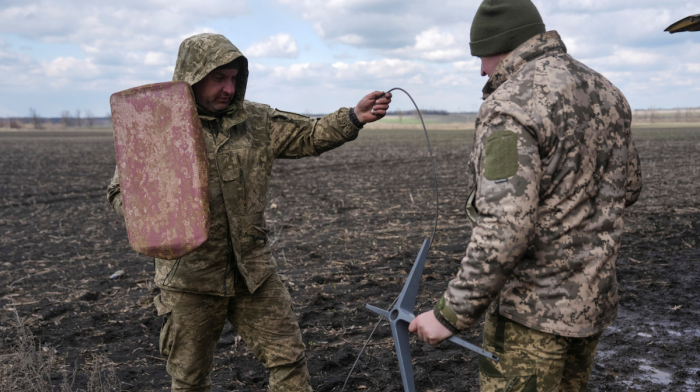
The Azerbaijani publication Minval Politika alleges that Armenia is quietly strengthening its military capabilities in a manner similar to the period before the Second Garabagh War, despite Baku’s stated efforts to advance peace.
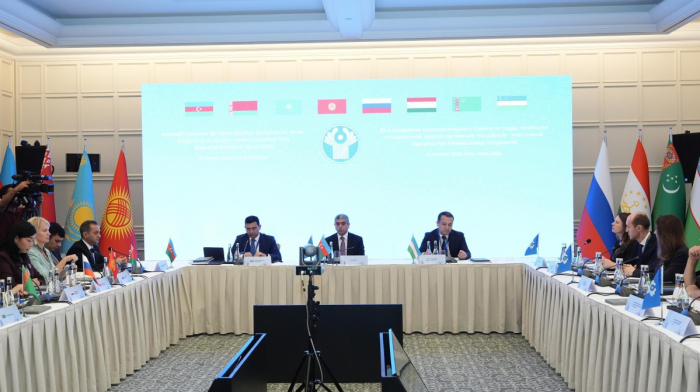
Foreign ministers of the Shanghai Cooperation Organisation (SCO) have concluded talks in Kyrgyzstan, approving key documents for the upcoming Bishkek summit. Discussions focused on regional security, economic cooperation, transport links and shared challenges.
You can download the AnewZ application from Play Store and the App Store.
What is your opinion on this topic?
Leave the first comment