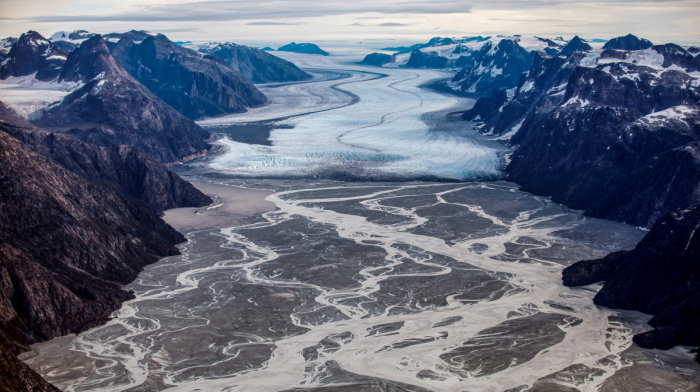
Central Asia is stepping up efforts to address rapid glacier melt, following United Nations warnings of unprecedented climate pressure on mountain ecosystems.
Glaciers store around 70% of the world’s freshwater, supporting nearly 2 billion people. However, rising temperatures are shortening winters and accelerating ice loss across the region.
According to estimates from the United Nations Environment Programme, declining glacier-fed water resources could lead to global economic losses of up to $4 trillion, driven by disruptions to agriculture, energy production and urban water supply.
The situation is particularly acute in Central Asia, where temperatures are rising almost twice as fast as the global average, increasing the risk of desertification and water shortages.
Regional data highlights the scale of the challenge. In Tajikistan, more than 1,000 of the country’s 14,000 glaciers have already disappeared, while total glacier volume has declined by nearly one-third in recent decades. In Kyrgyzstan, glacier coverage has shrunk by 16% over the past 50 to 70 years.
In response, Central Asian countries are strengthening cooperation on glacier monitoring and climate adaptation.
A regional strategy involving Kazakhstan, Kyrgyzstan, Tajikistan, Turkmenistan and Uzbekistan focuses on joint data collection and coordinated policy measures, as global attention grows following the designation of 2025 as the International Year of Glacier Preservation.
















What is your opinion on this topic?
Leave the first comment