Iran says it will use all diplomatic and legal channels to determine the fate of three Air Force pilots it believes are being held in Qatar after their fighter jets were downed during the March war.
Tehran demands answers from Qatar
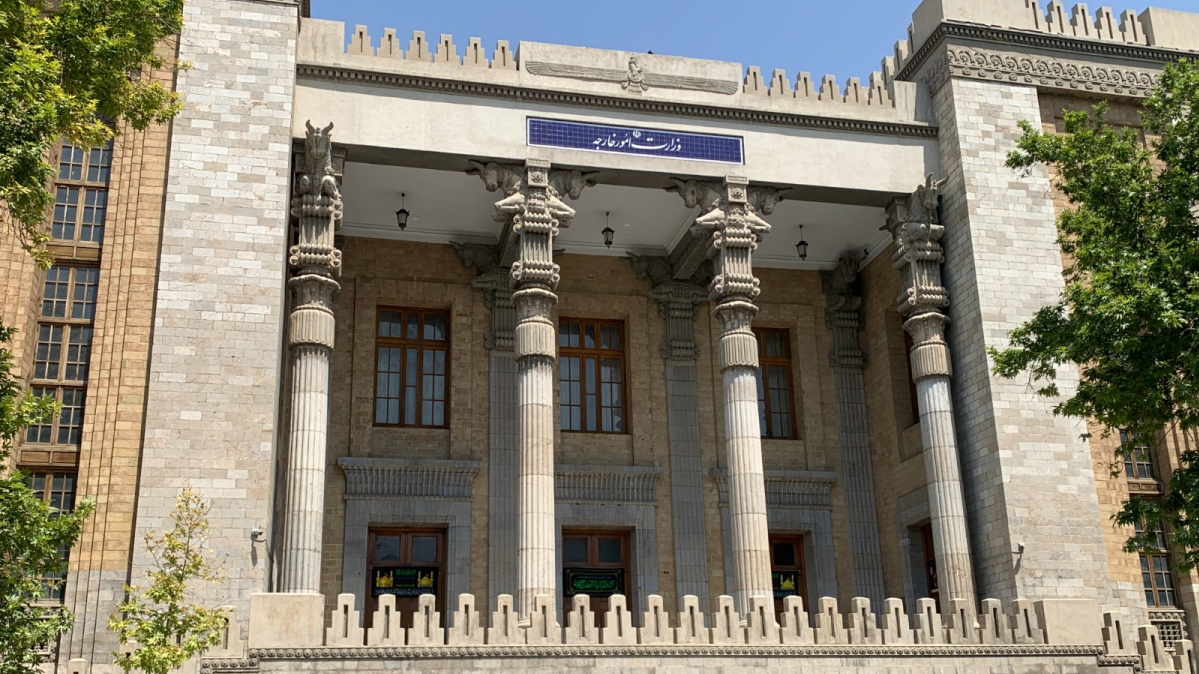
Iran’s Foreign Ministry said on Monday that it will use all “bilateral, multilateral and legal capacities” at its disposal to determine the status of three missing Air Force pilots believed to be in Qatari captivity, as Tehran presses Doha for answers over their fate.
“Iran's serious demand from Qatar is to clarify the status of these pilots. We will use all bilateral, multilateral, and legal capacities to pursue their fate,” Foreign Ministry spokesman Esmaeil Baghaei said at a weekly press briefing.
He added that Iran was in contact with Qatari officials in Doha and Qatar’s embassy in Tehran over the fate of the missing Air Force pilots, whose fighter jets were downed in the first days of the Israel-U.S. war against Iran in March.
“From the very first days, following up on the fate of the four pilots was on our agenda. These pilots were on a defensive mission to strike at the bases that were the source and origin of the US aggression against Iran,” he added after one of the pilots was confirmed dead.
According to General Mohammad Bagherzadeh, commander of the Missing Persons Search Committee of the General Staff of Iran’s Armed Forces, four Iranian pilots flying two Su-24 Fencer fighter jets were hit by air defence while returning from a military mission on 2 March.
Bagherzadeh said three of the pilots were captured by Qatar, while the fourth was killed by “enemy” fire.
Baghaei also strongly criticised Islamic states in the region for allowing their territory and airspace to be used by the U.S. military to attack a Muslim nation during the fasting month of Ramadan, but he did not name any country.
Iran-U.S. memorandum
Asked about the 60-day ceasefire agreement between Iran and the U.S., which expired on Monday, Baghaei said the deal, known as the Islamabad Memorandum of Understanding, had become “moot” because talks never took place following what Tehran described as U.S. violations from the first days after it was signed on 17 June by the presidents of Iran and the U.S.
“What was stated in the memorandum, the implementation status of which is currently completely unclear and inactive due to the gross violations by the US, had foreseen that discussions would be held over a period of 60 days on the two issues of lifting sanctions and the nuclear issue and that if we did not reach a conclusion within these 60 days, it would be extended.”
Baghaei said the negotiations never began because the U.S. committed what he described as “gross and widespread violations” of its provisions just a few weeks after the agreement was signed.
“Therefore, the 60-day issue is basically no longer relevant.”
“It has been proven time and again that Iran is not a party that adjusts its policies under pressure, ultimatums, and deadlines. We make decisions based on national interests and our assessments of what provides and guarantees national interests and security,” the spokesman told reporters.
Iran and Oman discuss Strait of Hormuz
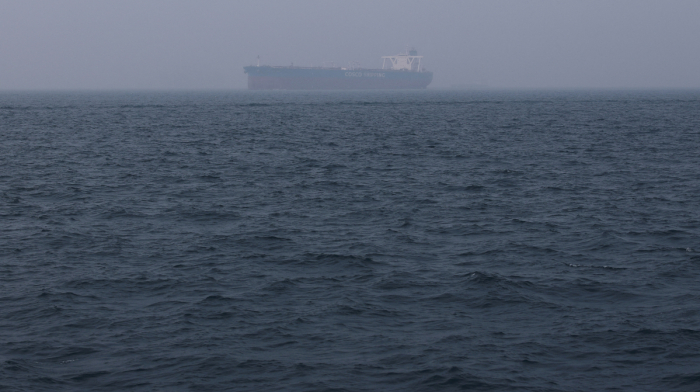
Asked why Iran and Oman had not announced an agreement on managing traffic through the Strait of Hormuz, Baghaei confirmed that the two countries had agreed on a navigation route through the waterway and were working on the provisions of a joint statement.
“Talks between Iran and Oman are continuing in earnest,” he replied.
“Views are being exchanged on the text of the joint statement, and both sides have so far shown that they are determined to develop a mechanism that meets the interests and concerns of both sides while also meeting considerations related to international shipping,” Baghaei said.


















What is your opinion on this topic?
Leave the first comment