Peace only reliable guarantee of Armenia's security - Armenia
Peace is Armenia’s only reliable guarantee of security, Armenian Prime Minister Nikol Pashinyan has said in comments in Dublin, where he also...
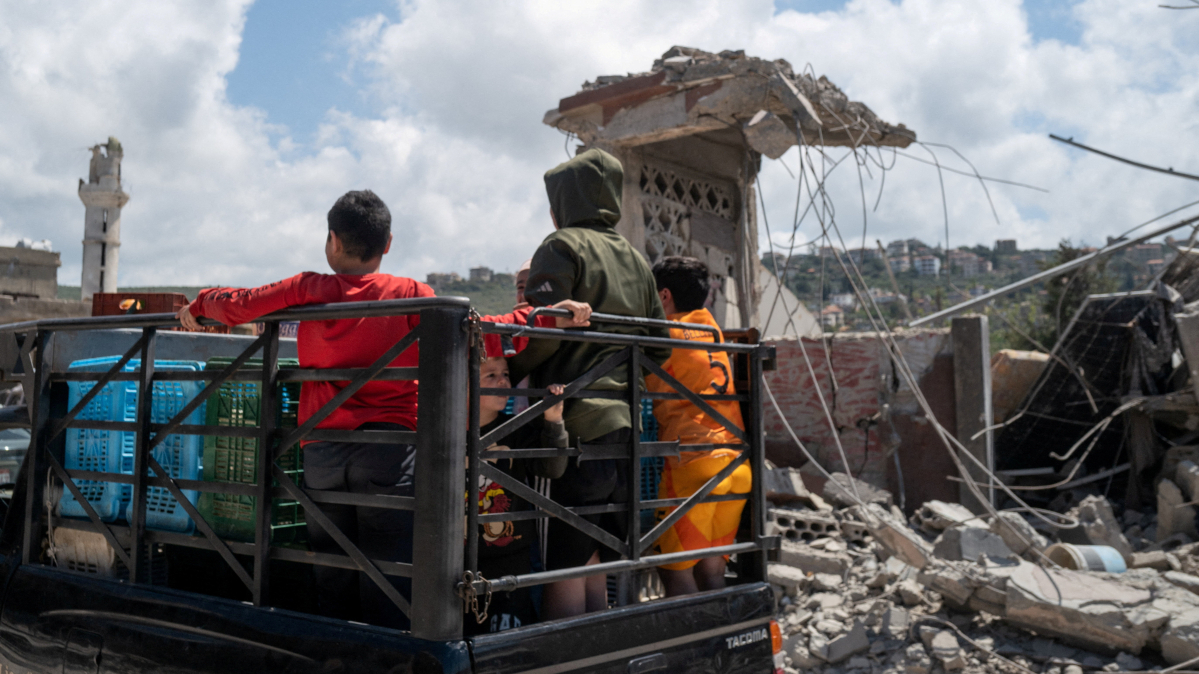
Türkiye has delivered 360 tonnes of humanitarian aid to Lebanon’s Port of Beirut as ongoing Israeli attacks continue to displace civilians, particularly in the country’s south.
The arrival of the shipment was marked by a ceremony attended by Lebanese and Turkish officials, including representatives of the Lebanese government and local aid agencies.
Speaking at the ceremony, Lebanese Development Minister Fadi Makki said more than 1 million people - roughly a fifth of the country’s total population - had been displaced by repeated Israeli attacks.
“Turkish support comes at a crucial time and reflects genuine solidarity with Lebanon,” he said, noting that the latest shipment includes essential supplies for communities along the southern border.
Makki stressed that Turkish support was not confined to humanitarian assistance, “but also includes a political stance supporting Lebanon in condemning the Israeli attacks.”
Murat Lütem, Ankara’s ambassador to Beirut, said Türkiye would continue providing assistance, noting that it had already sent more than 1,700 tonnes of humanitarian aid to the war-battered country since 2024.
“Türkiye will always stand by Lebanon,” Lütem told reporters.
Organised by Turkish civil society groups, the latest aid delivery included 38 shipping containers loaded with tents, bedding, clothing and food.
Distribution of the supplies is being carried out by Lebanon’s Higher Relief Commission in conjunction with local authorities and civil society organisations.
The shipment arrives amid rapidly worsening humanitarian conditions, despite a recently announced ten-day ceasefire between Israel and Lebanon.
Within the past month, repeated Israeli strikes have killed at least 2,200 people in southern Lebanon, injured more than 7,500, and displaced over 1 million, according to official figures.
Although some residents have begun returning home, officials say repeated ceasefire violations by Israel - and the widespread destruction of civilian infrastructure - have severely hampered recovery efforts.
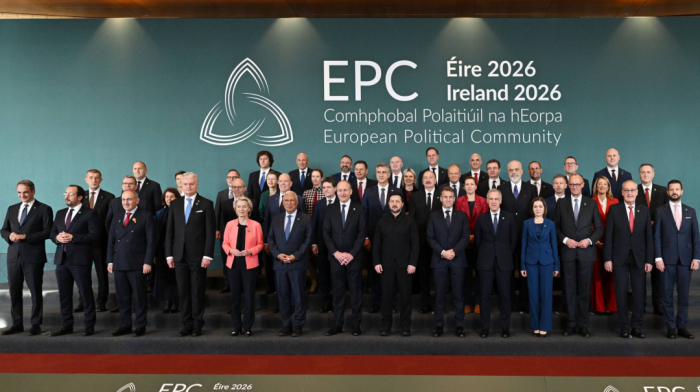
European leaders gathered in Dublin on Thursday, 12 November, for the ninth European Political Community (EPC) summit, with security, defence and energy high on the agenda. Azerbaijani President Ilham Aliyev held talks focused on peace, trade and regional cooperation.
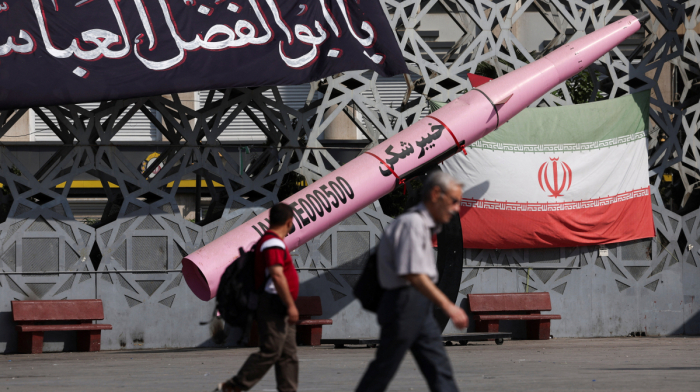
Iran’s Assembly of Experts has backed withdrawing from the Nuclear Non-Proliferation Treaty (NPT) and overhauling the country’s defence doctrine, calling both steps essential to national security and deterrence.
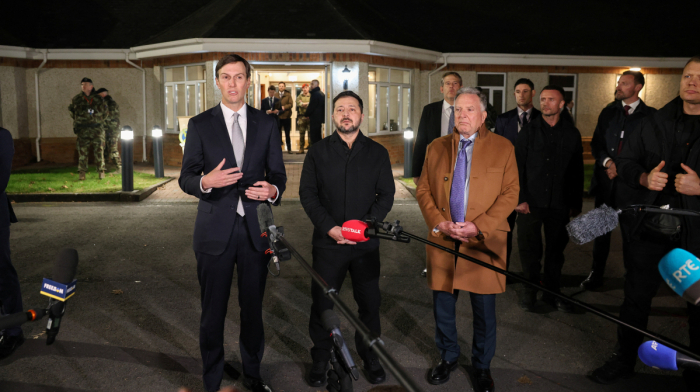
President Vladimir Putin agreed on Thursday to let European representatives join the next round of Ukraine peace talks while the United States continues to work towards what could become the largest prisoner exchange of the Russia-Ukraine war.
Microsoft struggled to restore its services on Friday after a major outage disrupted Outlook, Teams and Copilot across the United States and Asia-Pacific region.
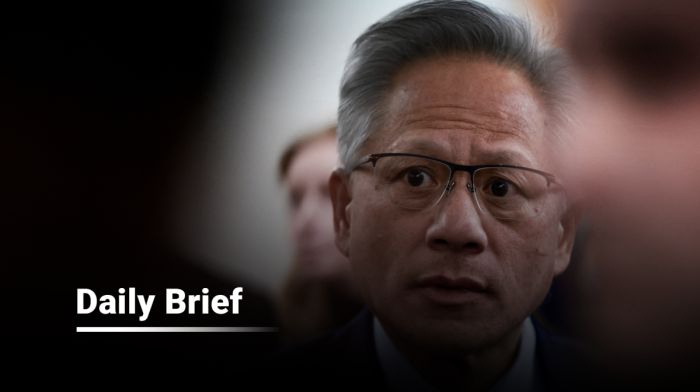
Here's your AnewZ Technology Daily Brief for the 13th of November. This week, a Microsoft outage hit Australian agencies, Google restricted mapping data in South Korea, a lawsuit targeted advanced AI development, and Nvidia faced a leadership crisis after Jensen Huang's resignation.
Peace is Armenia’s only reliable guarantee of security, Armenian Prime Minister Nikol Pashinyan has said in comments in Dublin, where he also commented that the Russian-led Collective Security Treaty Organisation (CSTO) alliance had failed to fulfil its obligations towards Yerevan.
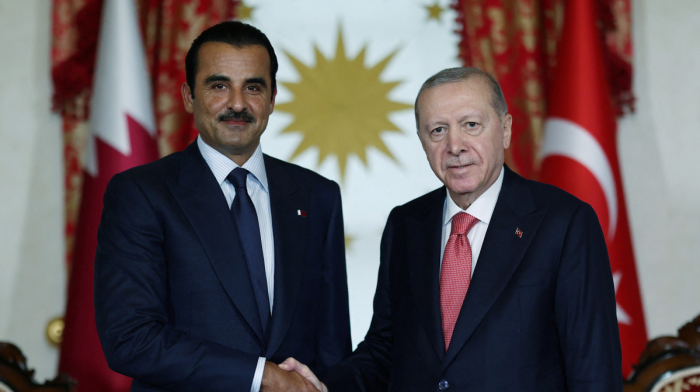
Türkiye and Qatar signed a mutual defence agreement on Friday, November 13, aimed at strengthening collective security and regional stability. The two countries pledged to take a united stance against any external armed attack on either nation.
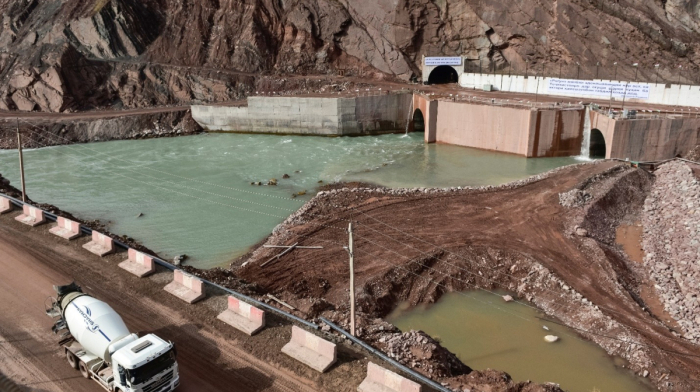
As Central Asia expands its hydropower infrastructure and high-rise construction, seismologists are examining whether large mountain reservoirs could influence earthquake activity. The question is particularly pressing in a region where major cities lie close to active tectonic faults.
As artificial intelligence (AI) becomes part of everyday life, languages with smaller speaker communities risk being left behind. Georgian, spoken by around four million people worldwide, is facing a digital challenge: making sure it is understood by the machines shaping how the world communicates.
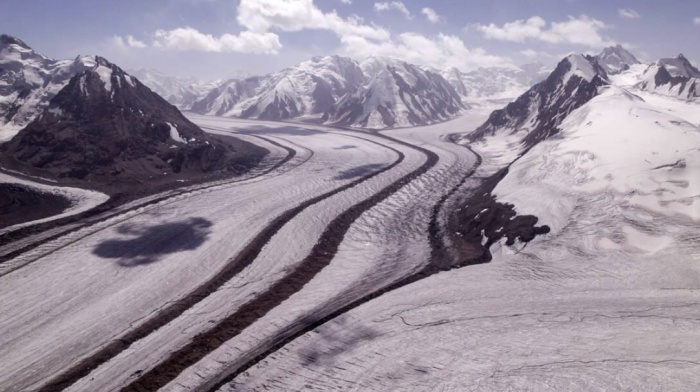
Tajikistan has urged the international community to increase funding to protect shrinking glaciers and help mountain communities adapt to climate change at the COP31 UN climate summit in Antalya, Türkiye.
You can download the AnewZ application from Play Store and the App Store.
What is your opinion on this topic?
Leave the first comment