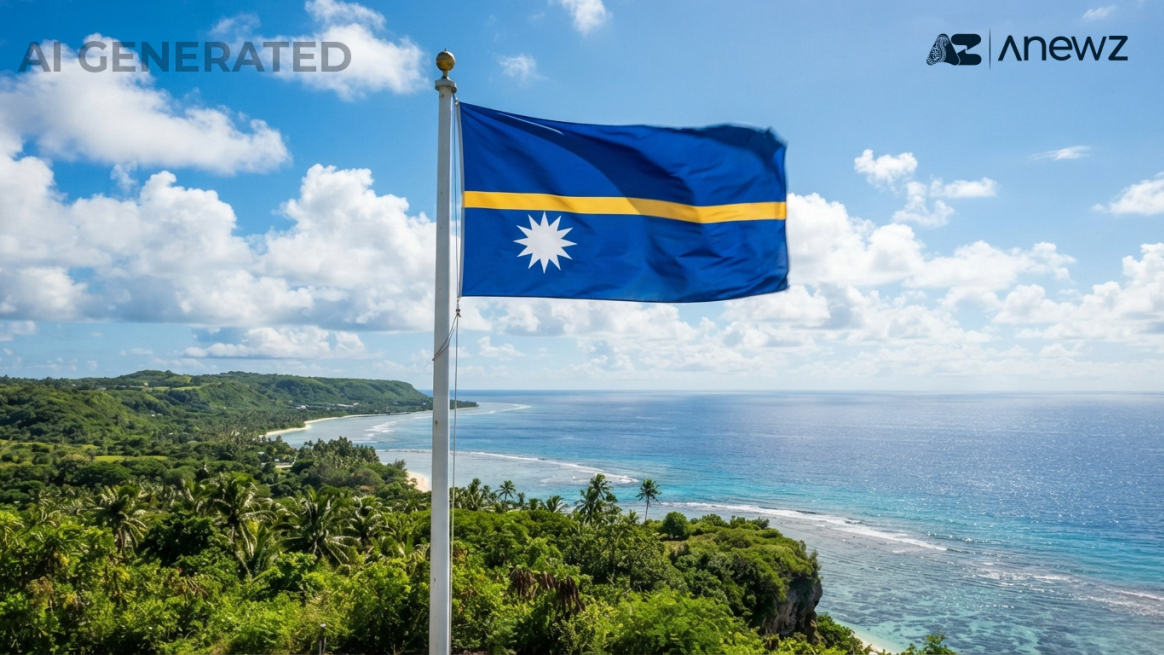
Nauru, the world’s third smallest country, has changed its name to Naoero, the Pacific island nation’s President said. The new name corresponds to the spelling and pronunciation in the national language.
The change returns the island to its original pre-colonial name, which was altered because foreigners found it difficult to pronounce. The country’s international code will be updated from NRU to NRO and its citizens will be known as dei-Naoero, instead of Nauruan. Naoero translates roughly as ‘I go to the beach’ in English.
President ditches referendum
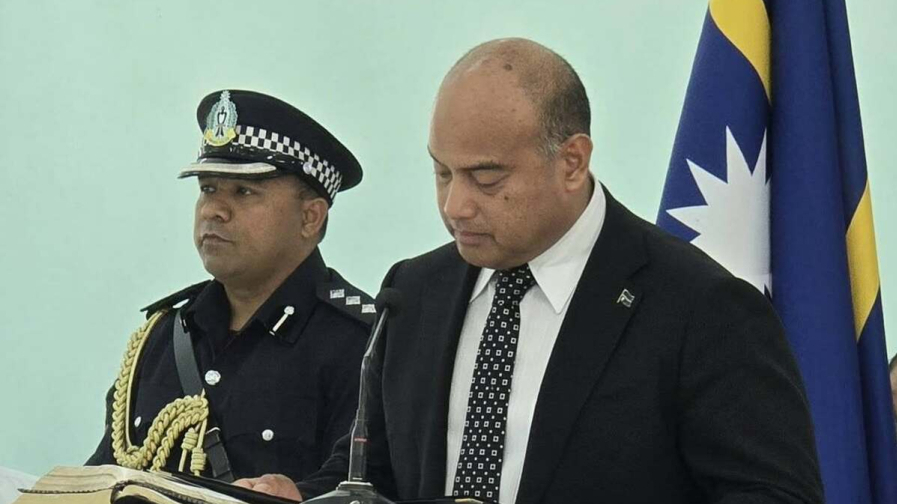
The island nation’s President David Adeang said plans for a national referendum on the issue had been shelved, after concluding that Naoero wasn’t a new name.
“It is already the identity of the people, is on the national coat of arms, and spoken in the community; and importantly is allowed by the Constitution,” he said in a statement posted on the newly named ‘The Government of the Republic of Naoero’ Facebook page.
“While a referendum is intended to determine the will of the people, the name Naoero has never been lost, but rather waiting to be fully embraced,” he added.
With just 12,000 residents, the nation is the world’s third smallest by population size, after the fellow Pacific island of Tuvalu and the Vatican City.
From colonisation to independence
The atoll was colonised by Germany in the late 1800s, before being occupied by Australia during World War One. Australia administered the island until 1942, when Japanese forces occupied the island. After World War Two, it returned to administration by Australia, as well as the UK and New Zealand, before gaining independence in 1968.
Phosphate mining briefly made Naoero one of the world’s richest nations per capita. But by the 1990s, the reserves were nearly exhausted, bringing the country to the brink of economic collapse.
The island nation is the latest in a long list of countries to have reverted to their pre-colonial name, most recently Eswantini, which dropped the English colonial name of Swaziland in 2018.
Countries that retain colonial-era names include the Philippines, named after King Philip II of Spain and Sierra Leone, a Portuguese derived name literally translating as ‘Lion Mountains’ in English.
Read more from the Pacific region:

















What is your opinion on this topic?
Leave the first comment