Zelenskyy: Ukraine ready to halt refinery strikes if Russia reciprocates
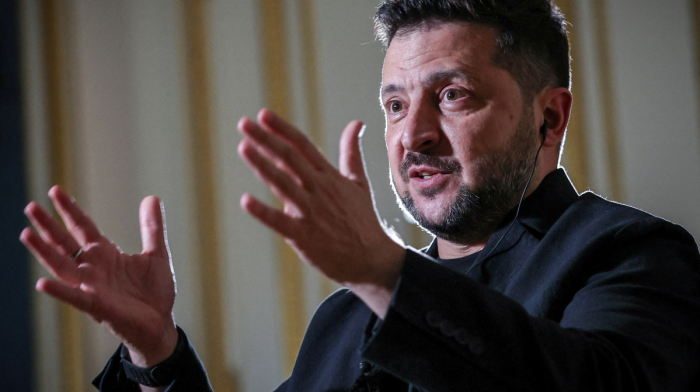
Ukraine is ready to stop attacks on Russian oil refineries if Moscow also halts strikes on Ukrainian energy infrastructure, President Volodymyr Zel...
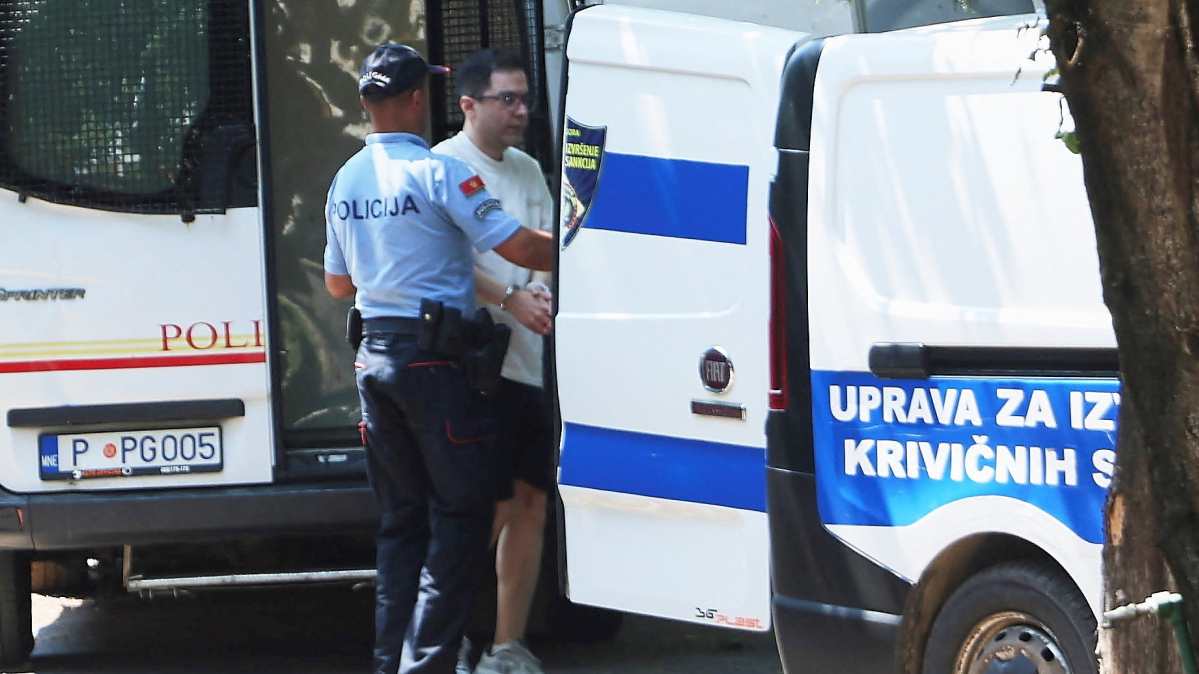
Montenegrin police, working alongside the United States' Federal Bureau of Investigation, have arrested an Iranian national accused of carrying out a series of cyberattacks that allegedly caused an estimated $3.4 billion in damage to U.S. infrastructure.
The 39-year-old suspect, who holds dual Iranian and Turkish citizenship, was detained in the Adriatic coastal town of Kotor, Montenegro's police directorate announced on Thursday.
U.S. authorities are seeking the suspect under an indictment issued by the United States District Court for the Southern District of New York. He faces multiple charges, including conspiracy to commit computer fraud, computer hacking and aggravated identity theft.
Montenegrin authorities said the case will now be referred to the High Court in the capital, Podgorica, where extradition proceedings will begin.
According to Montenegro's police, the suspect allegedly carried out a large-scale hacking campaign beginning in 2013, targeting more than 150 universities across the United States.
Authorities estimate the attacks caused financial losses exceeding $3.4 billion through the theft of sensitive academic and research data, as well as unauthorised access to university computer systems.
Police said the stolen data and access credentials were allegedly used for the benefit of the Islamic Revolutionary Guard Corps (IRGC) and other Iranian institutions, including universities.
The FBI did not immediately comment on the arrest.
U.S. officials have long accused Iran and the IRGC of sponsoring cyber operations targeting American government agencies, businesses and critical infrastructure.
In April, U.S. cybersecurity, law enforcement and intelligence agencies warned that Iranian-linked hacking groups were intensifying efforts to compromise equipment used across critical U.S. infrastructure, raising concerns about the growing sophistication and persistence of state-backed cyber threats.

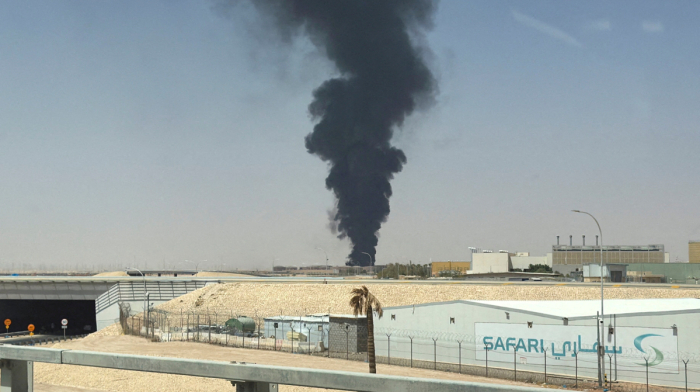
The explosion at King Khalid International Airport in Riyadh on Saturday afternoon killed at least 12 people and injured a further 309, according to Saudi Arabia’s Civil Aviation Authority. The airport remains closed until further notice.
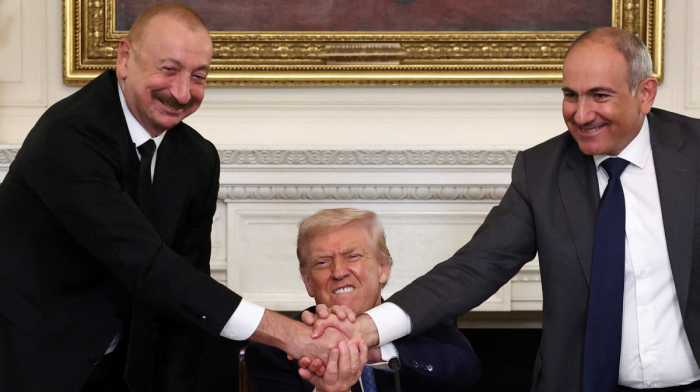
Russian President Vladimir Putin expressed surprise after Donald Trump mediated the Armenia-Azerbaijan peace agreement in 2025, the U.S. President said at a rally in New York state on Friday.
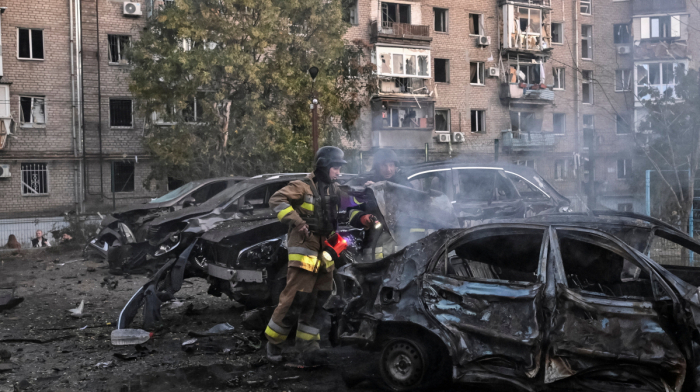
The United Nations has condemned a sharp rise in attacks on civilians in Ukraine, reporting that more than 100 people were killed and at least 429 injured in a single week as Russian strikes hit residential areas, passenger buses and critical infrastructure.
The U.S. has imposed sanctions on the International Criminal Court (ICC) on Friday (9 October) escalating tensions with European allies and potentially targeting companies that provide services to the tribunal. The move came hours after former ICC judge Navi Pillay won the Nobel Peace Prize.
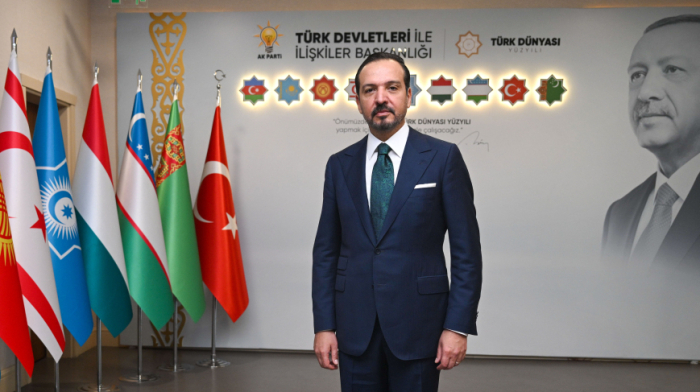
Turkic states are assessing the feasibility of passport-free travel between countries using national ID cards, Kürşad Zorlu, the Deputy Chairman of Türkiye’s ruling AK Party said on Saturday.
Ukraine is ready to stop attacks on Russian oil refineries if Moscow also halts strikes on Ukrainian energy infrastructure, President Volodymyr Zelenskyy said on Sunday.
Air France has reportedly informed its pilots and cabin crew of new Israeli restrictions preventing employees holding certain nationalities, including dual nationals, from operating flights to Israel, according to an investigation published by French outlet Mediapart on Saturday.
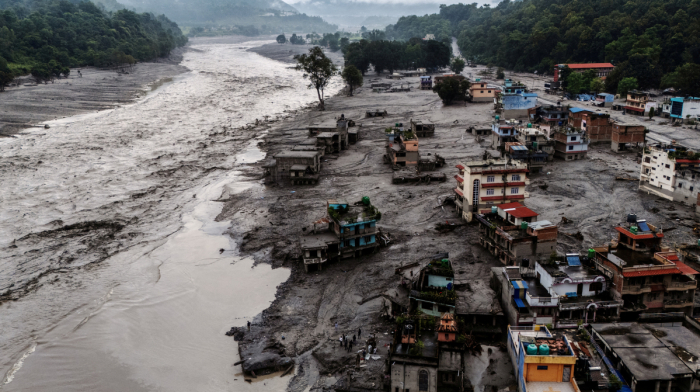
Nepali authorities urged villagers on Sunday (11 October) to move to safer places after a flood in a river in the central part of the country swept away several houses and infrastructure, but there were no reports of any casualties.
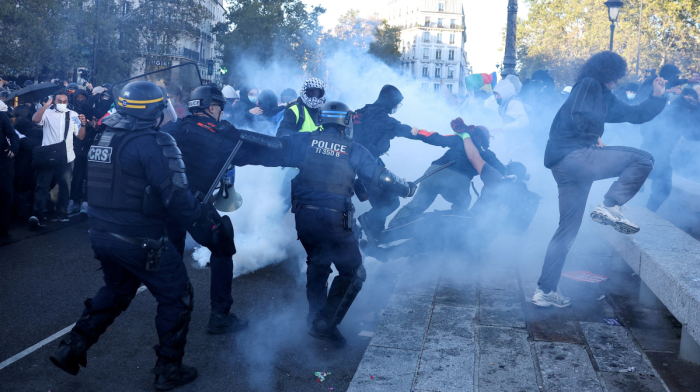
France’s internal police watchdog (IGPN) is investigating 24 cases linked to student protests across the country, including an incident in which a 14-year-old boy suffered a broken jaw and shattered teeth after allegedly being struck by a police projectile.
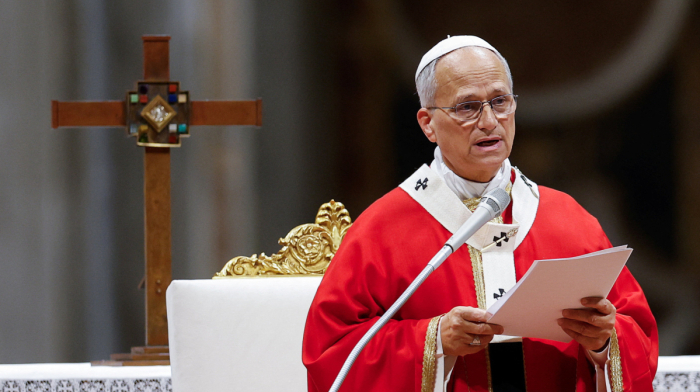
Pope Leo XIV renewed his condemnation of the death penalty on Saturday (10 October), saying it violated the sanctity of human life and denied people the chance of redemption, days after the Pentagon announced plans to livestream a U.S. military execution.
You can download the AnewZ application from Play Store and the App Store.
What is your opinion on this topic?
Leave the first comment