Pashinyan wins strong mandate as Armenia faces constitutional limits on peace process
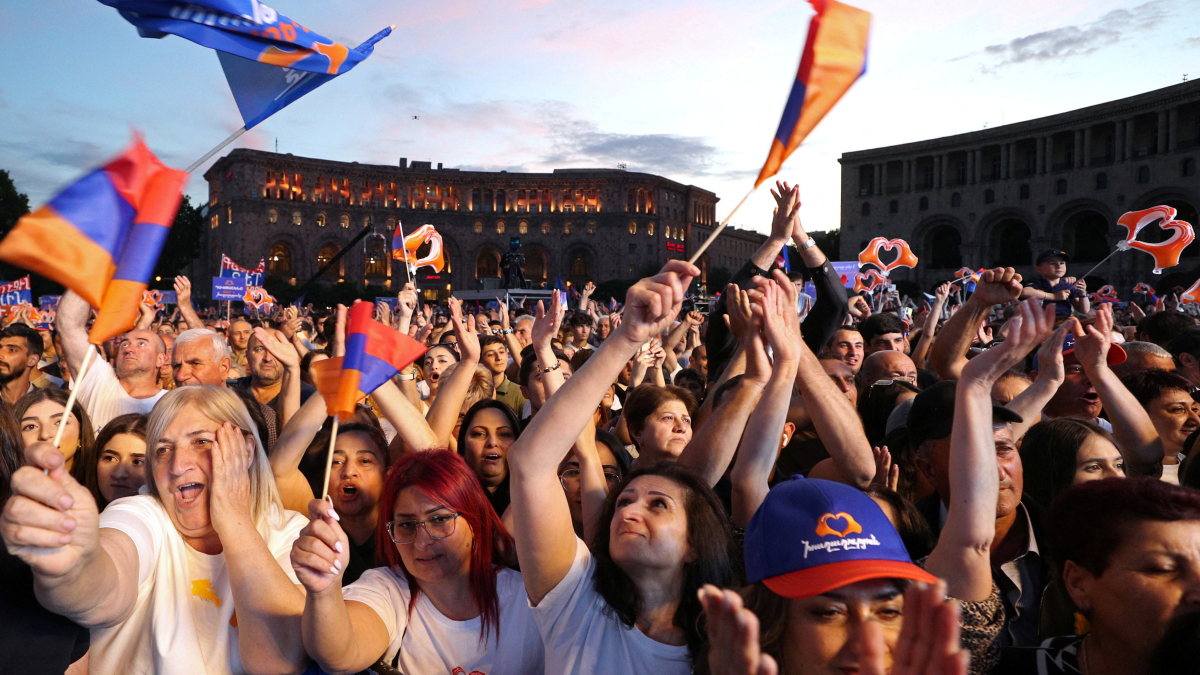
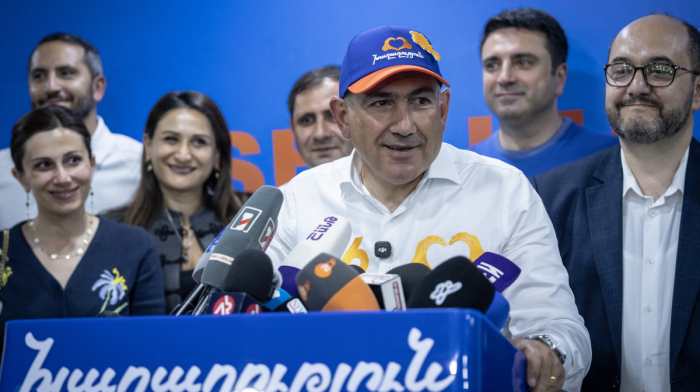
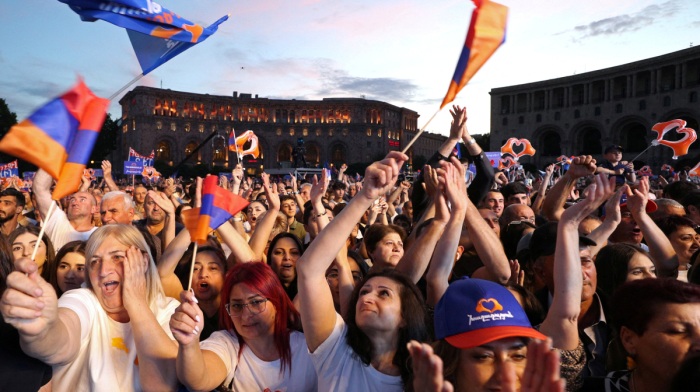
People attend a campaign rally of the Civil Contract party, led by Prime Minister Nikol Pashinyan, ahead of the June 7 parliamentary election in Yerevan, Armenia, 5 June, 2026.
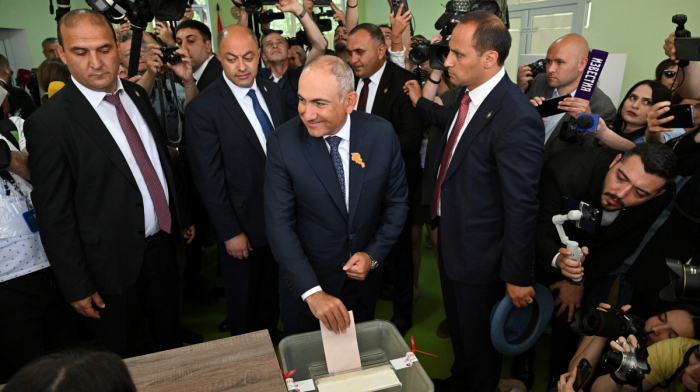
Armenia’s parliamentary election has strengthened Prime Minister Nikol Pashinyan’s mandate, with analysts linking the result to his post-Garabagh agenda and pro-Western direction. However, constitutional constraints remain a key obstacle to peace efforts with Azerbaijan.
Speaking to AnewZ, political analyst Eldar Hamzali said the vote was particularly significant as Armenia’s first regular parliamentary election in eight years, following a series of snap elections since 2018.
He said the election also reflected public support for Prime Minister Nikol Pashinyan’s post-Garabagh vision, after Yerevan effectively declared the conflict over.
“It was a test for Nikol Pashinyan and for Armenian society as well,” Hamzali said, adding that “at least half of the voters who went to polling stations have voted for this future.”
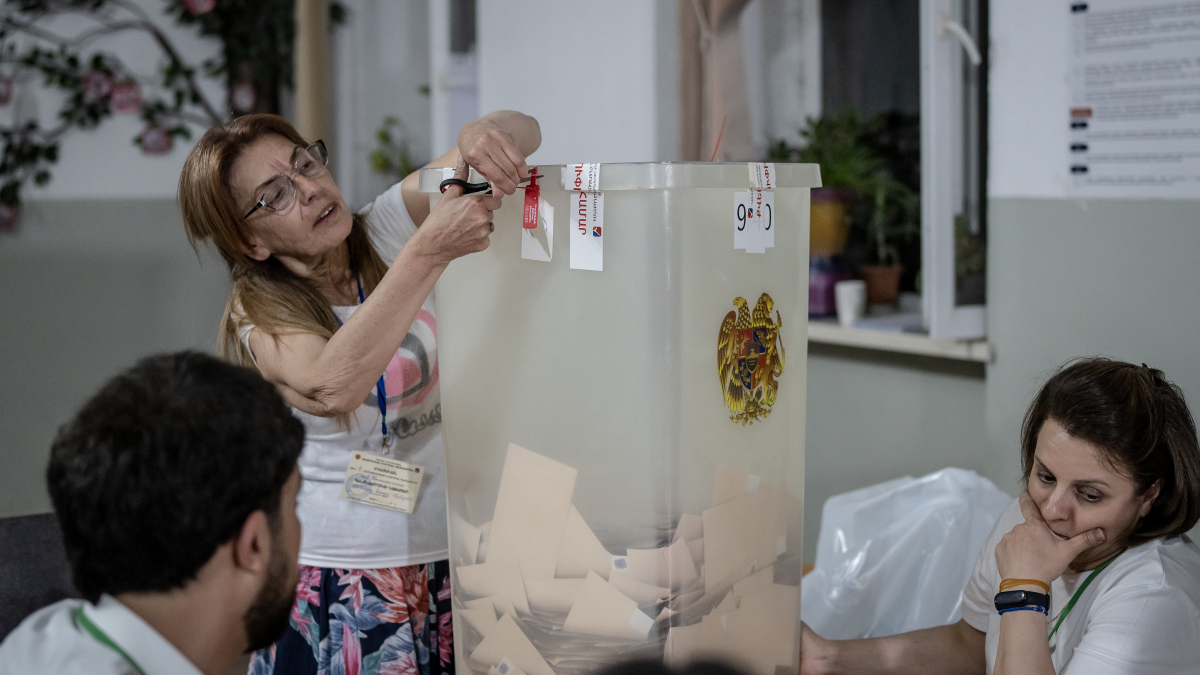
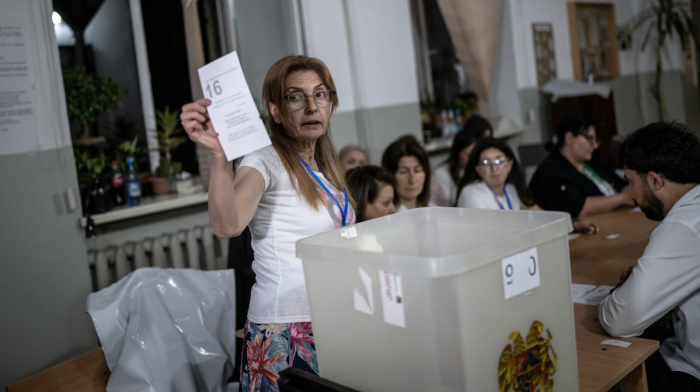
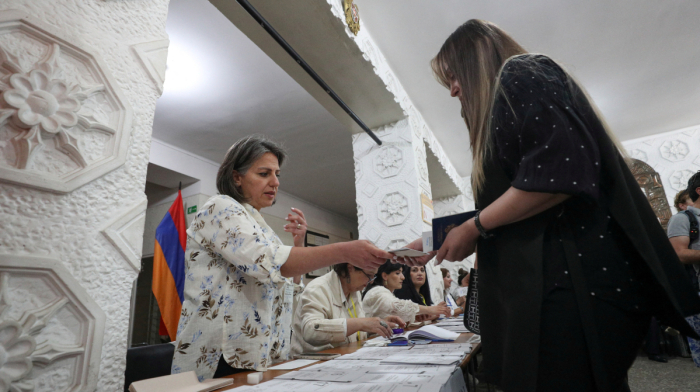
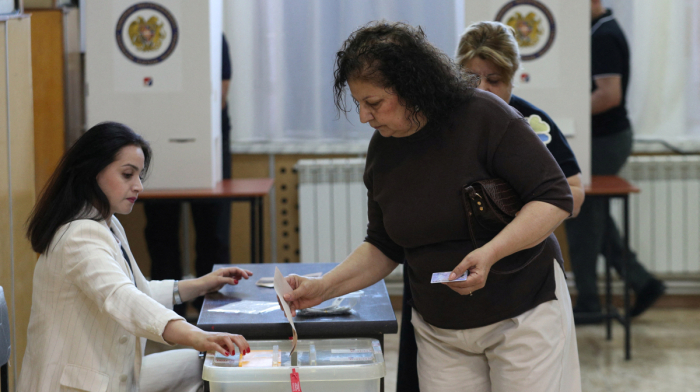
Election officials count ballots after voting concluded in the parliamentary elections in Yerevan, Armenia, on 7 June, 2026.
Anadolu Agency
Recounts unlikely to shift power balance
While some opposition groups have challenged results in individual precincts and filed complaints with the Central Electoral Commission, Arsen Kharatyan, founder of AliQ Media, told AnewZ's Guy Shone on Primetime that major changes remain unlikely.
Kharatyan added that even if a fourth party enters parliament after recounts, the ruling Civil Contract party would lose only a small number of mandates alongside other parties.
He also noted that discussions on constitutional change and referendums extend beyond parliament, arguing there are multiple mechanisms within Armenian society to initiate such processes.
“I’m not even sure that a referendum is part of or should be part of the discussion with regards to the peace agreement. [...] We have far more reaching goals as parties besides the constitutional change.”
The election result has also renewed attention on efforts to finalise a peace agreement between Armenia and Azerbaijan.
Kharatyan said the outcome removes uncertainty over political representation in negotiations.
“I don't see any challenge for the Armenia-Azerbaijan peace agreement signing,” he said, adding that Pashinyan has a governing majority and “has all the legal rights to sign the agreement.”
However, Hamzali pointed to constitutional constraints as a key obstacle in the process. He said Azerbaijan has repeatedly called for the removal of references to Armenia’s Declaration of Independence from the constitution’s preamble, arguing it contains territorial claims.
He added that “Armenia’s constitution requires a two-thirds parliamentary majority to initiate a referendum on constitutional amendments,” a threshold the ruling party currently lacks.
Azerbaijan’s Foreign Minister Jeyhun Bayramov has previously stressed the need to remove territorial claims from Armenia’s constitution.
Analysts say the election gives Pashinyan space to continue balancing closer ties with Europe while maintaining pragmatic relations with Russia.
Hamzali said Armenia remains economically dependent on Russia and cannot rapidly shift toward Europe. “Armenia needs time,” he said, noting that EU integration requires extensive reforms and standards alignment.
He added that Moscow is likely to tolerate Armenia’s current direction as long as core interests are not challenged.
“I think Russia will tolerate” Armenia’s current trajectory, he said, provided Yerevan avoids crossing major Russian red lines.
Reuters
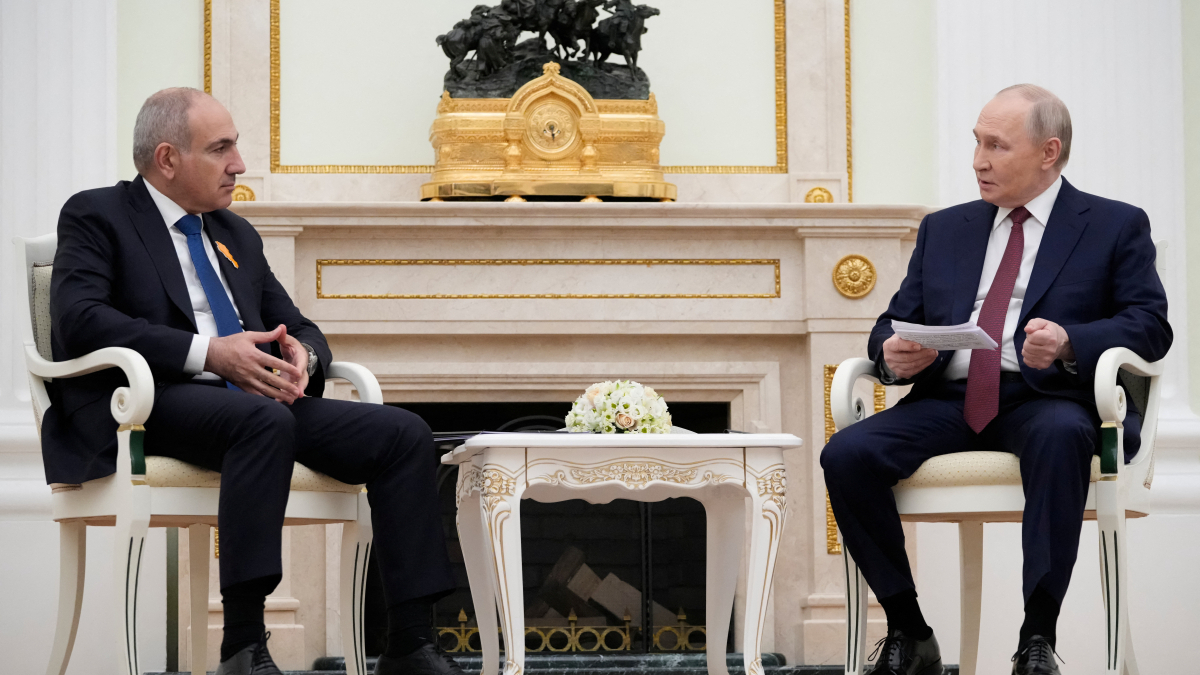
Russian President Vladimir Putin and Armenian Prime Minister Nikol Pashinyan attend a meeting at the Kremlin in Moscow, Russia, 1 April, 2026.
Reuters
Türkiye normalisation tied to regional peace
The future of Armenia’s normalisation process with Türkiye is expected to depend largely on progress between Yerevan and Baku.
“The Armenian-Turkish normalisation is much dependent on Armenia-Azerbaijan normalisation,” Hamzali said, noting that Turkish officials have linked border opening to broader peace progress.
Domestic focus shifts to economy
Beyond foreign policy, economic issues are expected to dominate the Armenian government’s agenda following the election.
Hamzali said security concerns remain important but are gradually being overtaken by economic priorities. “The second concern is, of course, the economy,” he said.
With a renewed mandate, Pashinyan’s government is expected to prioritise economic reform while managing complex regional dynamics and constitutional limitations.
U.S. forces say they have completed strikes on Iranian military sites near the Strait of Hormuz. Iran responded with missile attacks on an American b...
Türkiye and Syria plan to increase annual bilateral trade to $5 billion within the next two years, officials from both countries said on Tuesday, as ...
As global diplomatic dynamics continue to evolve, the European Union is reassessing its ability to respond effectively to major international developm...
Uzbekistan plans to create a National Geological Data Bank and expand the use of artificial intelligence (AI) across the mining sector as part of effo...
Azerbaijan is considering new restrictions on children's use of social media, including a minimum registration age of 16 and fines for platforms that ...
Türkiye welcomed Armenia's parliamentary election result on Monday, urging Yerevan to take "bolder steps" towards regional peace and diplomatic normalisation.
Armenian Prime Minister Nikol Pashinyan's Civil Contract party has won the Armenian elections, picking up nearly half the vote. With a majority in parliament, Pashinyan is set for a third term as Prime Minister. But an opposition politican has said he will challenge the election results.
The results of Armenia’s parliamentary elections will determine the makeup of the National Assembly and shape the country's political direction for the foreseeable future. But in Armenia, the final result is not decided by vote percentages alone. Here's how it works.
Counting is underway in Armenia's elections. The results of the vote are set to determine the political direction of the country of three million people for the next few years. Prime Minister Nikol Pashinyan is hoping to fend off challenges from several pro-Russia candidates to secure a third term.
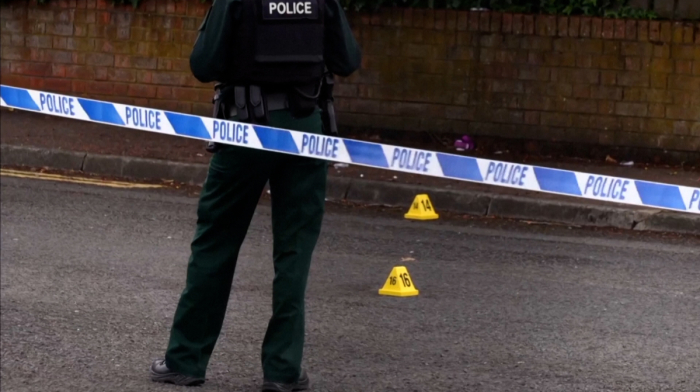
A Sudanese man has been arrested over a knife attack in Belfast that left a man seriously injured and prompted calls online for a protest after footage of the incident circulated widely on social media.
Iran and Israel said on Monday (8 June) they had halted attacks on each other following an appeal from U.S. President Donald Trump, as Axios reported that Trump had privately told Benjamin Netanyahu “be careful, or you will be on your own very soon”.
Ukraine's military said it struck a Russian "shadow fleet" tanker in the Black Sea as part of ongoing efforts to disrupt Moscow's energy and logistics networks. The move underscores Kyiv's focus on targeting maritime assets it says are used to bypass sanctions on Russian oil exports.
Armenia’s parliamentary election has strengthened Prime Minister Nikol Pashinyan’s mandate, with analysts linking the result to his post-Garabagh agenda and pro-Western direction. However, constitutional constraints remain a key obstacle to peace efforts with Azerbaijan.
Türkiye welcomed Armenia's parliamentary election result on Monday, urging Yerevan to take "bolder steps" towards regional peace and diplomatic normalisation.
Armenian Prime Minister Nikol Pashinyan's Civil Contract party has won the Armenian elections, picking up nearly half the vote. With a majority in parliament, Pashinyan is set for a third term as Prime Minister. But an opposition politican has said he will challenge the election results.
Armenian Prime Minister Nikol Pashinyan’s expected election victory offers continuity for the country’s peace agenda, but significant political hurdles remain. Analysts say the result strengthens Yerevan’s push towards Europe while setting the stage for further tensions with Russia.
The results of Armenia’s parliamentary elections will determine the makeup of the National Assembly and shape the country's political direction for the foreseeable future. But in Armenia, the final result is not decided by vote percentages alone. Here's how it works.
Counting is underway in Armenia's elections. The results of the vote are set to determine the political direction of the country of three million people for the next few years. Prime Minister Nikol Pashinyan is hoping to fend off challenges from several pro-Russia candidates to secure a third term.













What is your opinion on this topic?
Leave the first comment