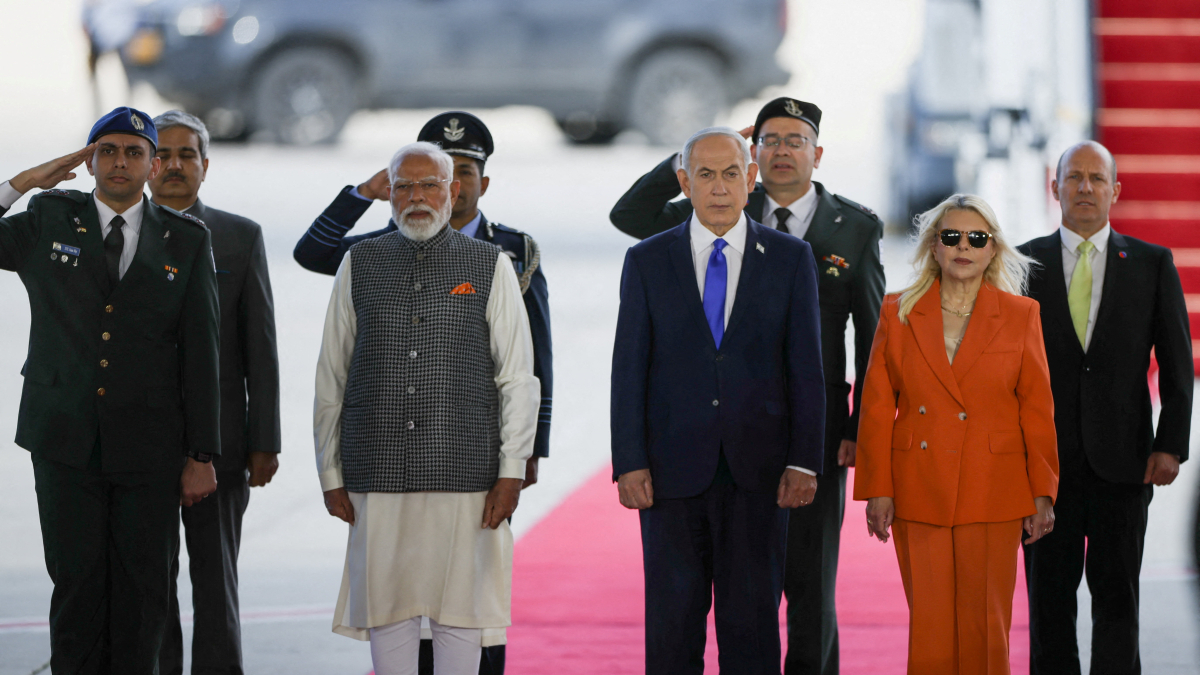
Indian Prime Minister Narendra Modi arrived in Israel on Wednesday for a two-day visit, becoming the first Indian premier to address the Knesset. He praised the “vital” India–Israel ties and reaffirmed solidarity amid regional tensions.
Modi, the first Indian premier to address the Israeli parliament, highlighted the deep historical ties between the countries. “India and Israel are linked by ties that go back more than 2,000 years,” he told lawmakers. He also emphasised India’s solidarity with Israel amid ongoing regional tensions: “We feel your pain, we share your grief. India stands with Israel firmly, with full conviction in this moment and beyond.”
Israeli Prime Minister Netanyahu, speaking alongside Modi at the Knesset, described the two countries’ relationship as a “tremendous alliance,” thanking India for “standing by” Israel after Hamas’s attacks in October 2023.
Modi endorses U.S. peace plan
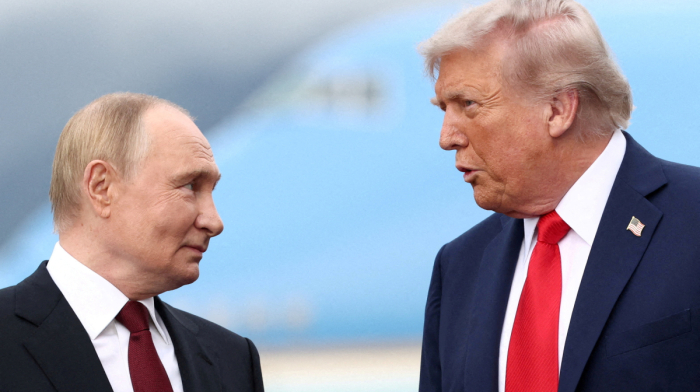
Modi expressed support for U.S. President Donald Trump’s Gaza peace plan, describing it as a framework that “offers a pathway” to a just and durable peace in the region. “The plan holds the promise of addressing the Palestine issue and ensuring lasting peace for all people of the region,” he said.
Strengthening strategic and economic ties
On the bilateral front, Modi underscored India’s commitment to expanding trade, strengthening investment flows, and promoting joint infrastructure development. He noted that teams from both countries are negotiating an ambitious India–Israel Free Trade Agreement (FTA) that “will unlock the vast untapped potential in our trade relationship.”
The premier also highlighted cooperation in agricultural technology, defence, and security, referencing a pact signed last November aimed at boosting collaboration in these sectors. “In today’s uncertain world, a strong defence partnership between trusted partners like India and Israel is of vital importance,” he said.
Awarded ‘Medal of the Knesset’
In recognition of his efforts to strengthen India–Israel ties, Modi became the first recipient of the “Medal of the Knesset”, awarded by Israeli parliamentary Speaker Amir Ohana. Modi accepted the honour on social media, writing, “This honour is not a tribute to an individual, but to the enduring friendship between India and Israel.”
Regional security concerns
The visit coincides with a U.S. naval deployment near Iran's coast ahead of possible military strikes as Washington and Tehran remain at an impasse in talks over Iran's nuclear programme.
The Pentagon has also deployed an aircraft carrier to the Mediterranean, which is bound for Israel's coast.
A U.S. attack on Iran could draw Iranian retaliation targeting Israel as well as U.S. military facilities in Gulf Arab countries, where millions of Indians live and work and send home billions of dollars of remittances each year.
Kabir Taneja, of the Observer Research Foundation, an Indian think-tank, said that New Delhi did not want to see conflict in the region.
"I'm sure those kind of messages have been delivered in the past and will be delivered during this visit as well," he said.
The Israeli foreign ministry official said discussions with a "regional aspect" would likely take place during the visit.












What is your opinion on this topic?
Leave the first comment