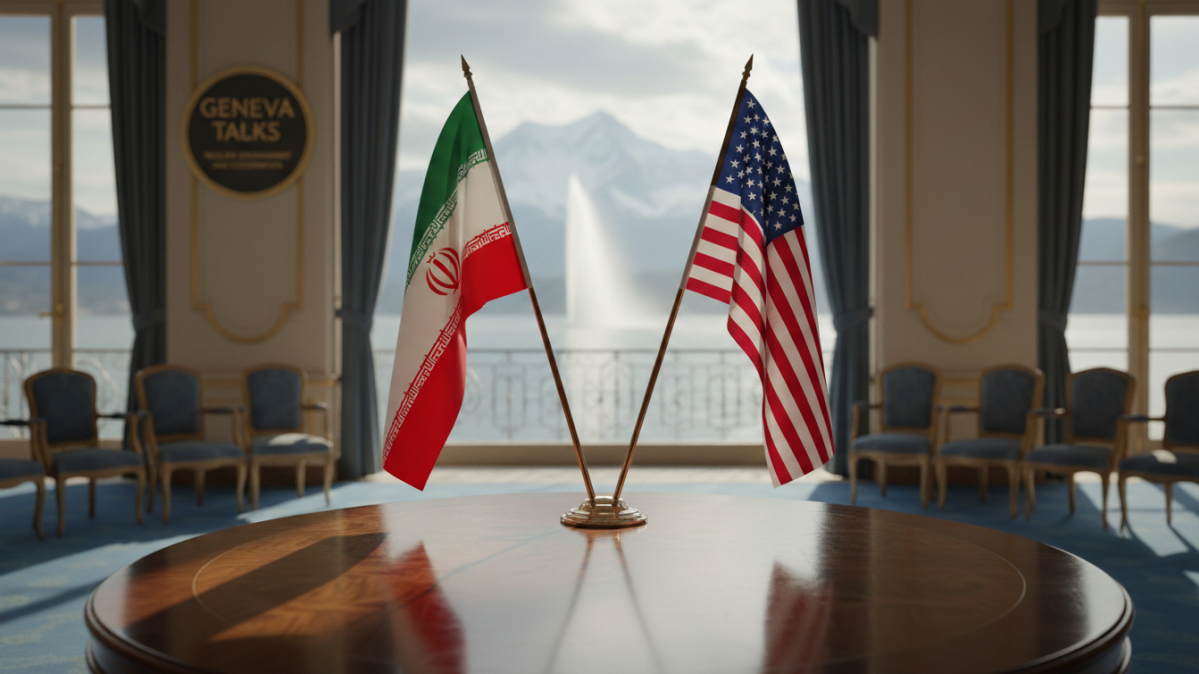
Further Iran-U.S. nuclear talks are taking place in Geneva on Thursday (26 February) as diplomacy resumes over Tehran’s nuclear programme following earlier mediation efforts. But will the indirect talks move Iran-U.S. negotiations closer to a deal, and what should be expected from the meeting?
Oman mediated the previous two rounds of talks. It’s Foreign Minister Badr Albusaidi said Thursday's meeting aims to narrow remaining differences over Tehran’s nuclear programme.
The diplomacy is intended to move towards a possible settlement by bridging outstanding gaps between the two sides. American officials are reported to have asked Tehran to present a detailed nuclear proposal, while Iranian negotiators say discussions are limited to nuclear matters and will focus on preserving peaceful nuclear development alongside scientific progress.
Before the announcement, Iranian President Masoud Pezeshkian described the previous negotiations as having produced “encouraging signals”. However, he stressed that Iran is prepared for any scenario amid rising geopolitical uncertainty and remains committed to regional stability while monitoring United States policy moves.
Earlier, U.S. President Donald Trump suggested diplomacy may have a limited timeframe, warning that the world could know within roughly 10 to 15 days whether negotiations produce meaningful progress. The statement came amid a significant U.S. military build-up in the Middle East, with naval and air assets reportedly positioned near Iran.
Why talks are restarting
The new round of diplomacy follows earlier indirect negotiations, including mediation efforts facilitated by Oman, which helped restore communication between Washington and Tehran.
Last week’s Geneva discussions focused largely on uranium enrichment disagreements. The American negotiating position has been associated with a “zero enrichment” framework, although U.S. officials have signalled possible flexibility toward limited or symbolic enrichment if Iran can demonstrate its programme cannot be diverted toward weapons development.
Despite this, American sources say Tehran has not fully accepted Washington’s core conditions, particularly those described as U.S. red lines regarding the technical scope of Iran’s nuclear activities. Iranian officials say they are focusing on peaceful nuclear work while continuing scientific and technological progress.
What each side wants
Washington is seeking stronger limits on Iranian uranium enrichment to block any potential pathway towards weaponisation. The U.S. also wants broader discussion of Iran’s ballistic missile programme and its regional security influence. Sanctions relief could be considered if Tehran agrees to confidence-building measures and stricter oversight.
Iranian negotiators, including Foreign Minister Abbas Araghchi, insist that discussions should remain focused on the nuclear issue alone. Tehran argues that uranium enrichment is intended for civilian energy production under international supervision and that the country is entitled to maintain peaceful nuclear technology under global non-proliferation rules.
Key disputes centre on the permissible level of enrichment, monitoring arrangements overseen by International Atomic Energy Agency (IAEA), and the extent of economic sanctions that might be lifted in return for compliance measures.
Military and strategic backdrop
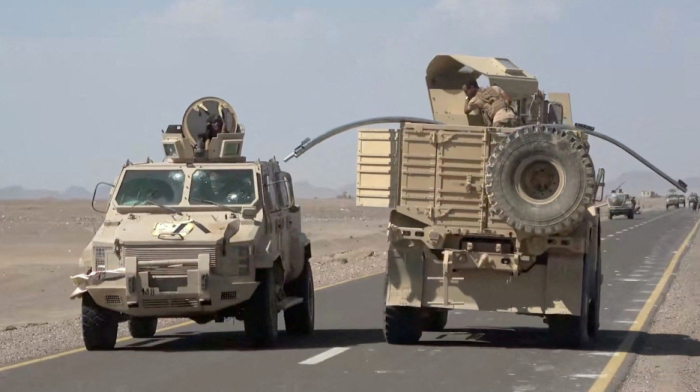
The negotiations are taking place amid heightened military tension in the Middle East. The United States has strengthened its regional presence by deploying carrier strike groups, fighter jets and other naval assets around the Gulf.
More than 120 aircraft are reportedly stationed in the region, including operations linked to the USS Abraham Lincoln strike group and the USS Gerald R. Ford, which is believed to be moving closer to Iranian waters.
Washington officials warn that the diplomatic window may be limited, and that limited military action could remain an option if negotiations fail to deliver progress.
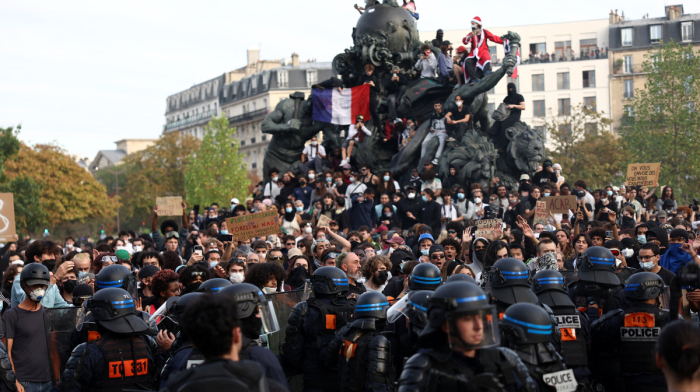
Iranian authorities say the country is prepared for all contingencies. The military build-up has coincided with domestic unrest, including student protests and clashes reported at several universities, adding political pressure to the diplomatic environment.
Historical background
The talks are linked to the 2015 Joint Comprehensive Plan of Action (JCPOA), which required Iran to limit uranium enrichment and accept international monitoring in return for sanctions relief.
The agreement collapsed in 2018 after the United States withdrew under the Trump administration, arguing that the deal did not sufficiently restrict Iran’s nuclear programme or address broader security concerns. Washington subsequently reimposed sanctions, while Iran expanded its nuclear activities beyond JCPOA limits.
Renewed diplomacy emerged as both sides sought to reduce escalation risks amid growing geopolitical pressure and to prevent further regional confrontation. Oman’s mediation helped revive indirect communication channels and led to the Geneva meetings.
Possible outcomes
Diplomats suggest the talks may initially produce a partial or interim arrangement rather than a comprehensive final agreement.
One possible pathway is a confidence-building framework offering limited sanctions relief in exchange for stricter monitoring of Iranian nuclear facilities. Any agreement would likely rely on verification mechanisms supervised by the IAEA.
Main challenge in the negotiations
The core challenge is balancing Iran’s desire to preserve its nuclear technology with United States security concerns.
Washington wants stronger enrichment restrictions and broader regional security assurances, while Tehran insists on maintaining its scientific and technological achievements.
Regional military tensions also remain a factor that could influence the outcome of the Geneva talks.











What is your opinion on this topic?
Leave the first comment