Iran’s ballistic missile arsenal: What you need to know
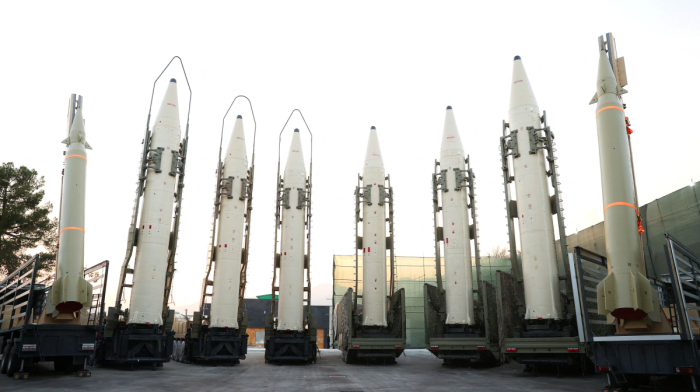
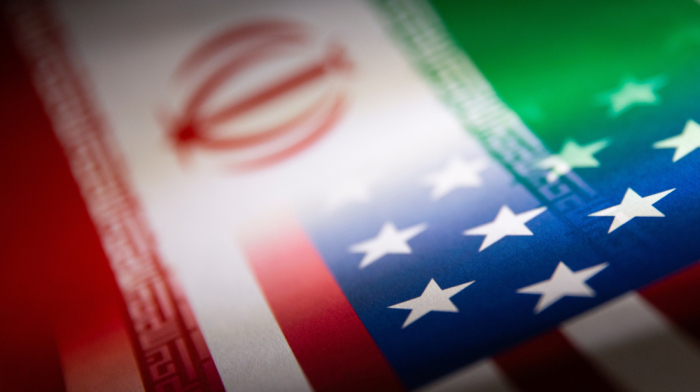
As Iran and the United States continue with nuclear talks in Geneva on Thursday, Tehran’s extensive ballistic missile programme remains a central point of contention.
Further Iran-U.S. nuclear talks are taking place in Geneva on Thursday (26 February) as diplomacy resumes over Tehran’s nuclear programme following earlier mediation efforts. But will the indirect talks move Iran-U.S. negotiations closer to a deal, and what should be expected from the meeting?
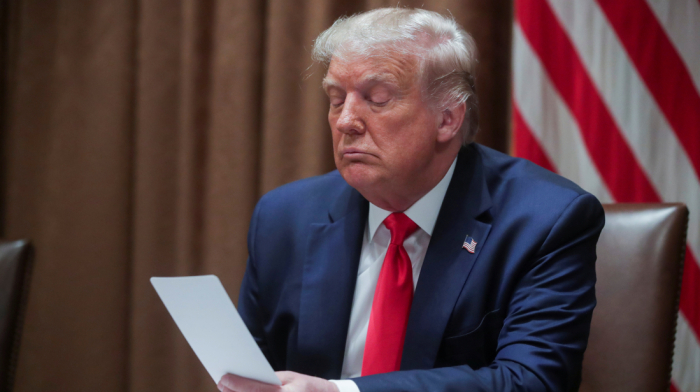
U.S. President Donald Trump is weighing why Tehran has not moved toward limiting its nuclear programme even as Washington expands its military presence across the Middle East.
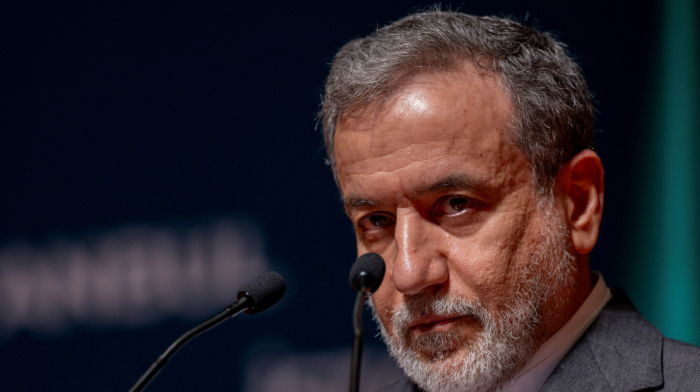
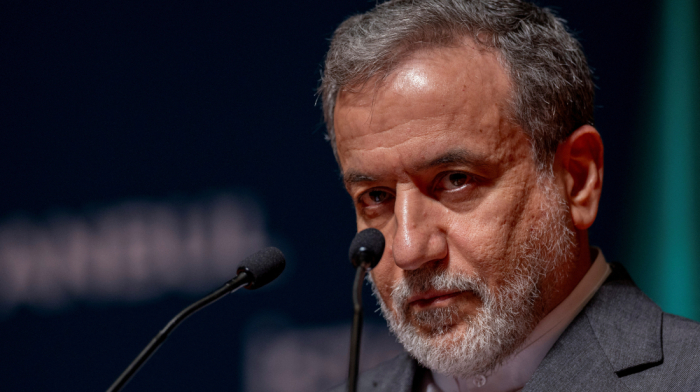
Iran’s Foreign Minister Abbas Araghchi arrived in Geneva on Monday ahead of a second round of indirect nuclear talks with the United States, according to Iranian state media.
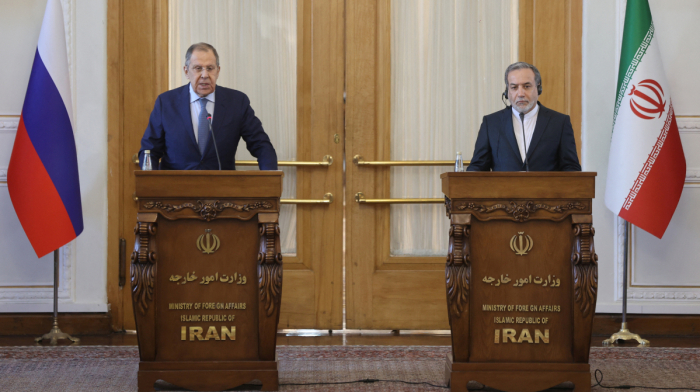
Iranian Foreign Minister Abbas Araghchi and his Russian counterpart Sergei Lavrov have had a telephone conversation following the recent resolution passed by the International Atomic Energy Agency (IAEA).
A senior official from the U.N. nuclear watchdog will arrive in Iran for talks on Monday, but no visit to nuclear sites is planned, Iran's Foreign Minister Abbas Araghchi said on Sunday
U.S. Secretary of State Marco Rubio and the foreign ministers of France, Germany and the UK have agreed to set the end of August as the unofficial deadline for reaching a new nuclear deal with Iran, Axios reported on Tuesday, citing three sources familiar with the talks.
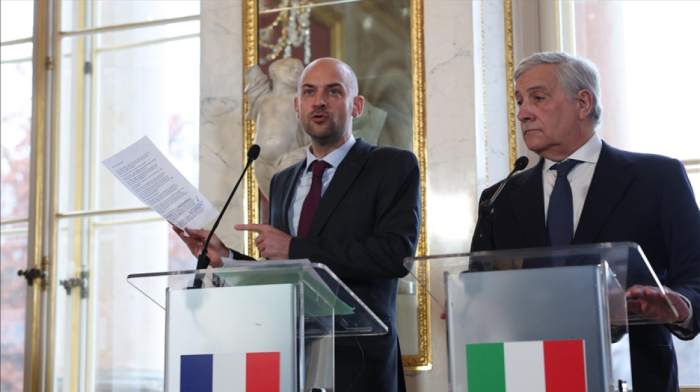
In a show of diplomatic unity, Italian and French foreign ministers met in Rome to address global crises, calling for urgent ceasefires and coordinated support on Ukraine, Gaza, and Iran.
Following U.S.-Israeli strikes on Iranian nuclear facilities, Tehran has halted talks and suspended cooperation with the IAEA, citing mistrust and demanding guarantees against future attacks before any dialogue can resume.
Oil futures fell on Friday after Iran reaffirmed its commitment to nuclear non-proliferation and amid expectations that major producers are set to agree to raise their output this weekend.
U.S. President Donald Trump rejects claims that recent American strikes on Iranian nuclear facilities had limited effect, declaring the sites were "totally destroyed."
Iran has condemned the U.S.-Iran nuclear negotiations as “meaningless” after Israel’s largest strike on Iranian targets, accusing Washington of backing the attack. The planned sixth round of talks faces uncertainty amid escalating tensions.
You can download the AnewZ application from Play Store and the App Store.