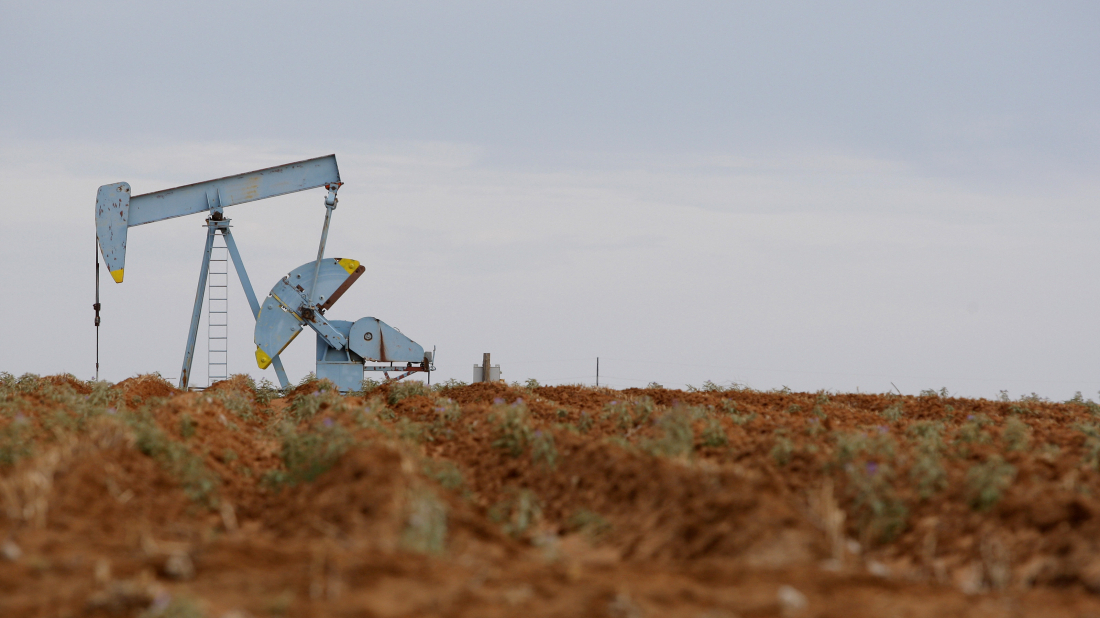
Oil futures fell on Friday after Iran reaffirmed its commitment to nuclear non-proliferation and amid expectations that major producers are set to agree to raise their output this weekend.
Brent crude futures were down 22 cents, or 0.32%, to $68.58 a barrel by 0445 GMT, while U.S. West Texas Intermediate crude fell 12 cents, or 0.18%, to $66.88.
Trade was thinned by the U.S. Independence Day holiday.
U.S. news website Axios reported on Thursday that the U.S. was planning to meet with Iran next week to restart nuclear talk, while Iran Foreign Minister Abbas Araqchi said Tehran remains committed to the nuclear Non-Proliferation Treaty.
"Thursday's news that the U.S. is preparing to resume nuclear talks with Iran, and Araqchi’s clarification that cooperation with the U.N. atomic agency has not been halted considerably eases the threat of a fresh outbreak of hostilities," said Vandana Hari, founder of oil market analysis provider Vanda Insights.
Araqchi's comments came a day after Tehran enacted a law suspending cooperation with the U.N. nuclear watchdog, the International Atomic Energy Agency (IAEA).
"But the price correction may have to wait till Monday, when the U.S. reopens from a long weekend and takes in Sunday's OPEC+ decision, which is likely to be another 411,000 barrels per day target hike in August," Hari said.
OPEC+, the world's largest group of oil producers, is set to announce an increase of 411,000 bpd in production for August as it looks to regain market share, four delegates from the group told Reuters.
Meanwhile, uncertainty over U.S. tariff policies was renewed as the end of a 90-day pause on higher levy rates approaches.
Washington will start sending letters to countries on Friday specifying what tariff rates they will face on goods sent to the United States, a clear shift from earlier pledges to strike scores of individual trade deals.
President Donald Trump told reporters before departing for Iowa on Thursday that letters would be sent to 10 countries at a time, laying out tariff rates of 20% to 30%.
Trump's 90-day pause on higher U.S. tariffs ends on 9 July, and several large trading partners have yet to clinch trade deals, including the European Union and Japan.
The U.S. imposed sanctions on Thursday against a network that smuggles Iranian oil disguised as Iraqi oil and on a Hezbollah-controlled financial institution, the Treasury Department said.
Saudi Arabian Defense Minister Prince Khalid bin Salman met with President Trump and other officials at The White House, however, to discuss de-escalation efforts with Iran, media reports said.
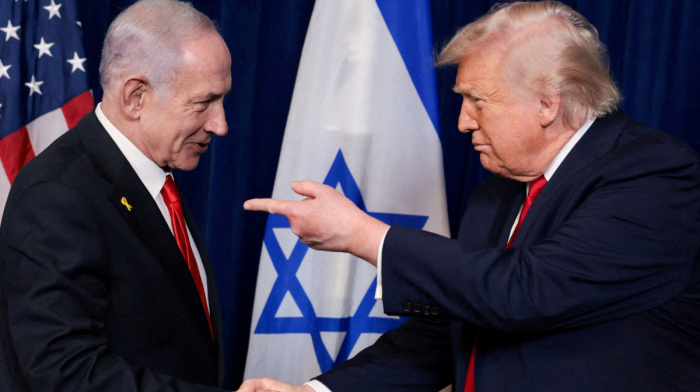
Trump also said on Thursday that he would meet with representatives of Iran "if necessary".
Separately, Barclays said it raised its Brent oil price forecast by $6 to $72 per barrel for 2025 and by $10 to $70 a barrel for 2026 on an improved outlook for demand.









What is your opinion on this topic?
Leave the first comment