Iran-U.S. peace agreement on a knife-edge - Middle East conflict
A peace agreement between Washington and Tehran is yet to materialise, with U.S. President Donald Trump saying that negotiations are incomplete and a...
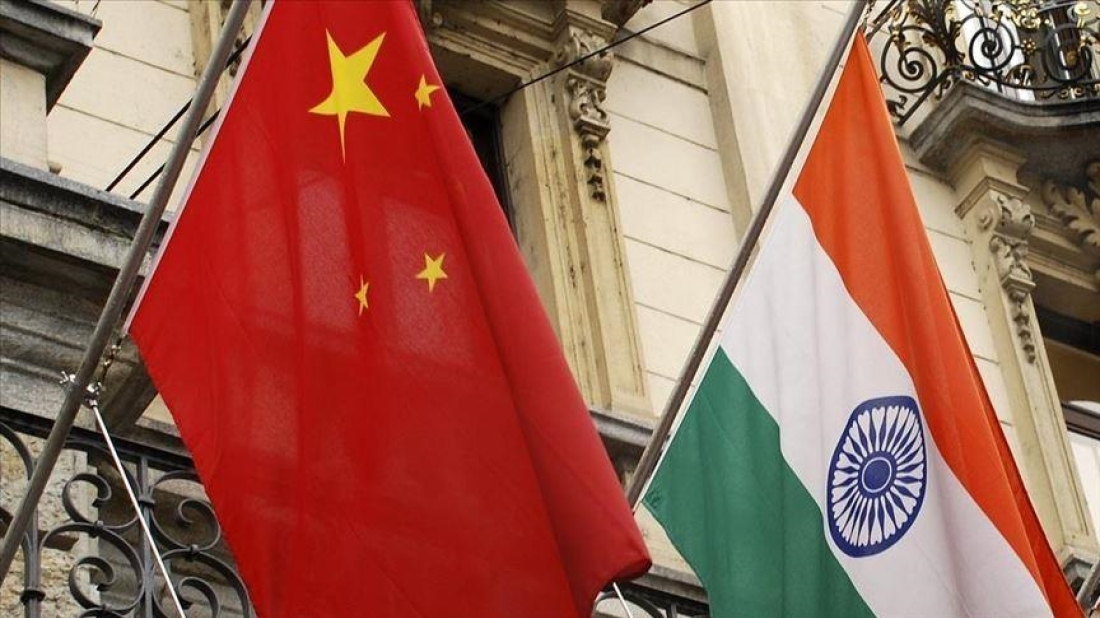
Chinese Foreign Minister Wang Yi arrived in New Delhi today (18 August) for a closely watched round of bilateral discussions with senior Indian leaders, including External Affairs Minister S. Jaishankar and National Security Adviser Ajit Doval.
The two-day visit marks a significant moment in efforts to stabilise relations between Asia’s two largest neighbours, which remain strained by border tensions and geopolitical rivalry.
The talks are expected to cover a wide agenda, from restoring military disengagement along the Line of Actual Control to expanding trade and investment ties. Analysts say both sides will also explore areas of cooperation on global issues, such as climate change, supply chain resilience, and regional security.
Wang Yi’s visit comes amid ongoing friction in the Himalayan border regions, where several rounds of military-level negotiations have yet to produce a full resolution. For New Delhi, restoring peace along the frontier remains a top priority before normalisation of relations can take place. Beijing, meanwhile, has signalled interest in resetting ties, particularly as both nations navigate shifting alignments in the Indo-Pacific and beyond.
Indian officials have framed the meetings as an opportunity to convey core concerns directly to Beijing’s leadership. For China, Wang Yi’s presence is a sign of willingness to keep high-level dialogue open, even as competition sharpens in strategic, economic, and diplomatic arenas.
While breakthroughs are unlikely, both sides may use the meetings to rebuild trust, explore confidence-building measures, and lay groundwork for a more stable engagement.

The inaugural Enhanced Games began in Las Vegas on Sunday (24 May), launching one of the most controversial experiments in modern sport, in which athletes openly compete using performance-enhancing drugs banned under traditional anti-doping rules.
A peace agreement between Washington and Tehran is yet to materialise, with U.S. President Donald Trump saying that negotiations are incomplete and an Iranian Foreign Ministry Spokesman saying that a deal isn't imminent.
A "largely negotiated" memorandum of understanding on an Iran peace deal would reopen the Strait of Hormuz, U.S. President Donald Trump said on Saturday, though the Iranian Fars news agency disputed that claim.
Start your day informed with the AnewZ Morning Brief. Here are the top stories for 25th May, covering the latest developments you need to know.
The World Health Organization warned on Monday that the fast-moving Ebola outbreak in the Democratic Republic of the Congo and Uganda was outpacing response efforts, with 220 suspected deaths reported so far.
Doctors working on the front lines of the Ebola outbreak in the Democratic Republic of Congo say attacks on treatment centres and fleeing patients are hampering efforts to contain the virus.
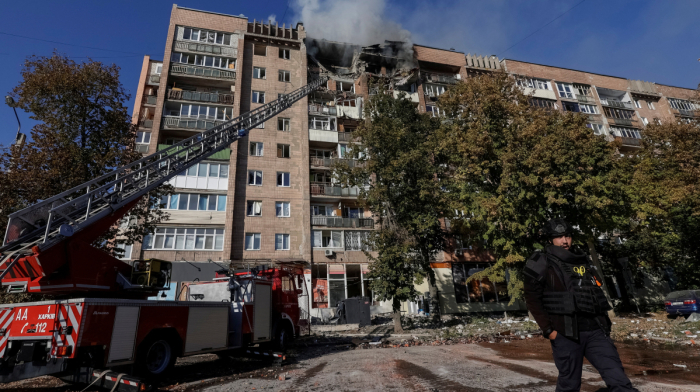
Russia has warned foreign nationals to leave Kyiv, saying it has launched a new wave of strikes targeting Ukraine’s defence industry and military command infrastructure.
The World Health Organization warned on Monday that the fast-moving Ebola outbreak in the Democratic Republic of the Congo and Uganda was outpacing response efforts, with 220 suspected deaths reported so far.
China has launched three taikonauts to its Tiangong space station, including one crew member set to spend a full year in orbit in one of the longest planned space missions ever attempted.
Chinese President Xi Jinping praised the “unbreakable friendship” between China and Pakistan as he met Pakistani Prime Minister Shehbaz Sharif in Beijing on Monday, a day after companies from both countries signed cooperation agreements worth $1.22 billion.
You can download the AnewZ application from Play Store and the App Store.
What is your opinion on this topic?
Leave the first comment