Ukraine and Russia signalled cautious openness to a U.S.-backed draft peace plan on Thursday, with both Kyiv and Moscow suggesting it could form the basis of future negotiations — though deep disagreements remain over legitimacy and territorial status.
Ukrainian Foreign Minister Andrii Sybiha said in Kyiv that negotiation teams were expected to meet soon and that Ukraine’s goal was to achieve tangible progress.
“Our expectations are concrete results so that progress can be made,” Sybiha said. “It is extremely important for us… to achieve a truce.”
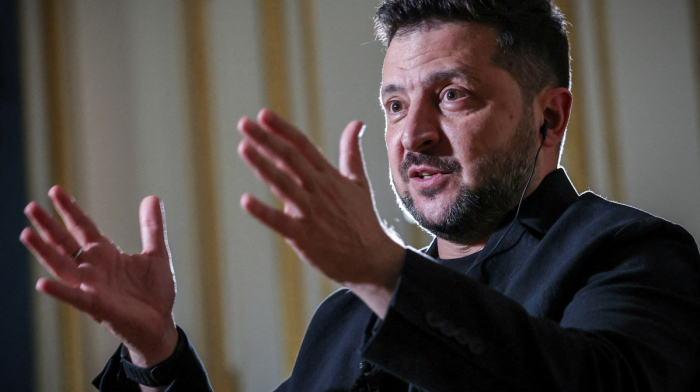
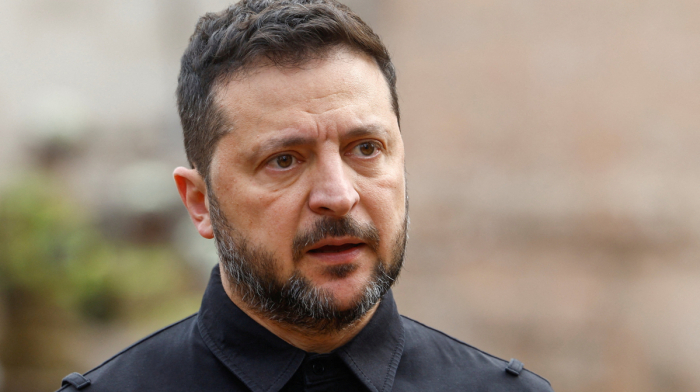
He also confirmed Ukraine’s interest in direct contact between President Volodymyr Zelenskyy and U.S. President Donald Trump, stressing that “the most sensitive questions can only be discussed at the highest level.”
Putin says Trump plan “could be used as a basis”
Speaking at a press conference in Bishkek, Kyrgyzstan, Russian President Vladimir Putin said Moscow viewed the 28-point U.S.-Ukraine proposal discussed in Geneva as “a possible basis for future agreements.”
“We studied this document… and in general, we agree that it can be used as a basis for future agreements,” Putin said, while adding that “it would be impolite to speak about final versions, because there are none.”
However, Putin dismissed any potential accord with Kyiv’s current leadership, claiming it had “lost legitimacy” after delaying elections under martial law.
“It is pointless to sign documents with the Ukrainian leadership,” he said. “The president lost his legitimacy after that.”
Crimea and Donbas remain key sticking points
Putin confirmed that the legal status of Crimea and Donbas was among the most sensitive issues discussed with Washington. When asked how territories could be recognised “de facto but not de jure,” he replied that it remained “one of the key topics” of ongoing talks.
Meanwhile, Russian Foreign Ministry spokeswoman Maria Zakharova reiterated Moscow’s opposition to any Ukrainian accession to NATO, calling it “unacceptable.”
“NATO’s attempts to drag Ukraine into its orbit still pose a threat for us,” she said. “The essence of NATO’s activity is the counteraction to our country.”
NATO praises renewed diplomatic momentum
In Reykjavik, NATO Secretary General Mark Rutte praised Trump for “reinvigorating diplomatic momentum” around the peace process during a joint press conference with Icelandic Prime Minister Kristrun Frostadottir.
“There’s tremendous renewed energy around the peace process, and for that, I want to commend U.S. President Trump,” Rutte said, adding that NATO remained focused on strengthening defence and sustaining support for Ukraine “against Russia’s ongoing war of aggression.”
Outlook
While both Kyiv and Moscow cautiously acknowledged the U.S.-led framework, their positions on legitimacy and territorial recognition remain far apart. The coming weeks — and any potential Zelenskyy–Trump meeting — will likely determine whether this renewed diplomatic momentum can translate into meaningful progress toward peace.












What is your opinion on this topic?
Leave the first comment