Türkiye is reportedly in discussions to join the defence alliance between Saudi Arabia and Pakistan, a strategic move that could reshape security dynamics in the Middle East and South Asia.
The discussions, which are said to be at an advanced stage, point towards a significant shift in regional geopolitics. The Saudi-Pakistan defence pact, which was first signed in September, outlines that any aggression against one of the countries would be regarded as an attack on all members, a principle similar to NATO's Article 5. Türkiye, which has the second-largest military in NATO after the United States, is now seeking to join this pact in what could be seen as a step towards strengthening its position in a region with growing uncertainties about U.S. involvement.
The expansion of the Saudi-Pakistan pact to include Türkiye reflects the growing convergence of interests between the three countries in areas such as defence, regional security, and economic cooperation. Türkiye’s involvement in this alliance would also address concerns regarding the reliability of the United States as an ally, particularly under the leadership of President Donald Trump, whose policies have raised doubts among regional powers about America's commitment to NATO and longstanding security partnerships. By joining the pact, Türkiye would not only benefit from the alliance's collective security framework but also strengthen its geopolitical standing in an increasingly volatile region.
A new era of relations
Should Türkiye officially join the defence alliance, it would mark the beginning of a new chapter in its relationship with Saudi Arabia and Pakistan, both of which were once seen as rivals in the Sunni Muslim world. This shift is indicative of a broader realignment in the Middle East, where historical tensions are giving way to new cooperation. The alliance, once exclusive to Saudi Arabia and Pakistan, would now include Türkiye, a nation that plays a key role in the region’s military and political landscape. This marks the first time that these three countries, which have shared strategic interests in the region, are working together so closely.
For Saudi Arabia and Türkiye, this is a move towards mutual economic and defence cooperation, an essential step for both nations as they face the growing threat of regional instability. Türkiye, which has long been a critic of Iran's growing influence in the region, sees the alliance as a way to counterbalance Tehran’s power. At the same time, Saudi Arabia, traditionally seen as a rival to Türkiye due to their competition for leadership within the Sunni world, is now putting aside these differences in favour of strengthening military and economic cooperation.
The announcement of the first-ever naval meeting between Türkiye and Saudi Arabia in Ankara earlier this week demonstrates the growing collaboration between the two. This marks a significant shift in their previously strained relationship, highlighting that both nations are now prioritising regional stability and defence cooperation over historical differences. This rapprochement between Türkiye and Saudi Arabia is an important development that could have far-reaching implications for the future of the Middle East.
Growing military cooperation Between Türkiye and Pakistan
Türkiye and Pakistan have long enjoyed strong military relations, and the potential inclusion of Türkiye in the Saudi-Pakistan defence pact will only deepen these ties. Both countries have worked together on several key defence initiatives, and the growing military cooperation between them has been a cornerstone of their bilateral relationship. Türkiye has been instrumental in helping Pakistan strengthen its naval capabilities by building corvette warships for its navy, while also upgrading a number of Pakistan’s F-16 fighter jets. These military collaborations are indicative of the broader strategic partnership between the two countries, which has now extended into new areas, including defence technology and joint military exercises.
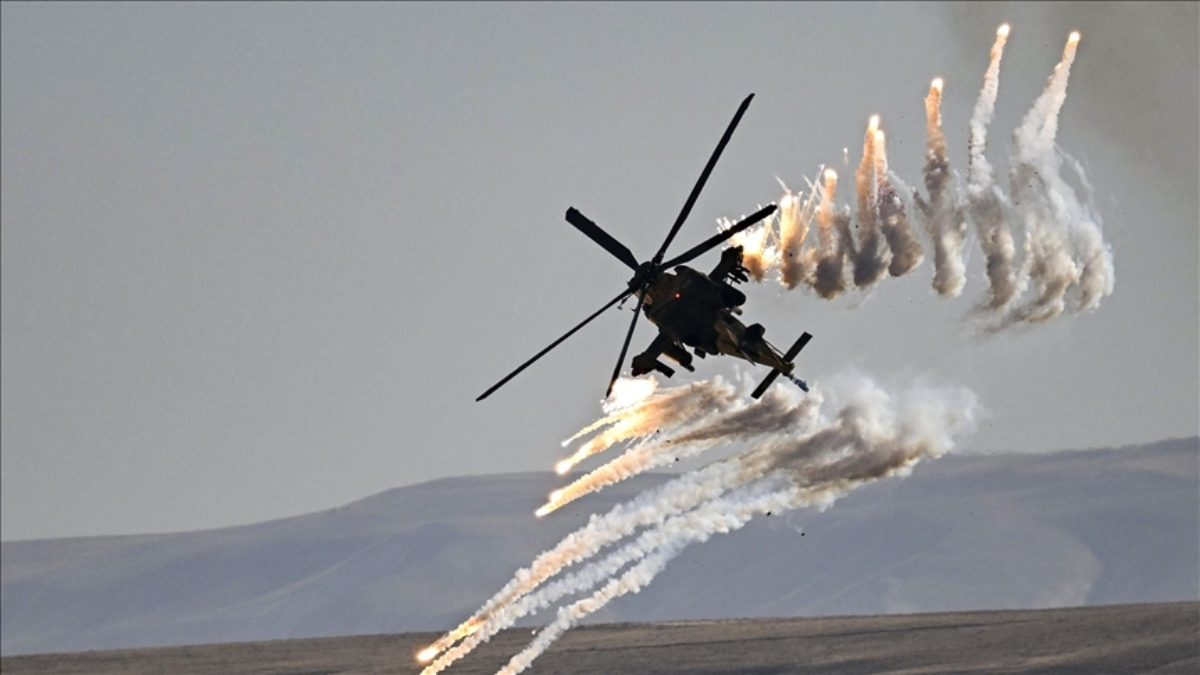
In addition to these collaborative efforts, Türkiye is also sharing its advanced drone technology with both Saudi Arabia and Pakistan, a significant component of Türkiye's growing defence industry. This sharing of military technology has allowed both Saudi Arabia and Pakistan to bolster their security capabilities, while also providing Türkiye with greater influence in the region. Furthermore, Türkiye has extended an invitation to both Saudi Arabia and Pakistan to join its Kaan fifth-generation fighter jet programme, a project that promises to further strengthen military ties and technological collaboration between these countries.
As tensions continue to rise in the region, particularly with regards to the long-standing conflict between India and Pakistan, the growing military cooperation between Türkiye, Pakistan, and Saudi Arabia offers an opportunity for these nations to enhance their collective security. The alliance could serve as a stabilising force in the region, providing a counterbalance to rising threats and regional conflicts. The strong military ties between Türkiye and Pakistan are set to deepen further, with both countries working together to ensure mutual security in an increasingly uncertain geopolitical environment.
Shifting alliances in the Middle East
The potential expansion of the Saudi-Pakistan defence pact to include Türkiye signals a significant shift in the alliances and power dynamics within the Middle East. Historically, the region has been marked by complex relationships, characterised by shifting allegiances, rivalries, and external influences. The inclusion of Türkiye in this alliance could change the way power is distributed in the Middle East, with Türkiye playing a more central role in regional security. The pact between Saudi Arabia and Pakistan, which had already been seen as a formidable force in the region, would now be reinforced by Türkiye's military and strategic capabilities, potentially altering the balance of power in the broader Middle East.
This new trilateral alliance could provide a united front against common regional challenges, particularly the growing influence of Iran. While Saudi Arabia, Türkiye, and Pakistan have historically had differing approaches to Iran, they all share concerns about Tehran’s influence in the region. The addition of Türkiye to this alliance offers a more coordinated approach to countering Iran's expansionist policies. Furthermore, with tensions continuing to rise between Pakistan and India, and ongoing conflicts in Afghanistan, the alliance between these three nations could provide a stabilising force, offering both military support and diplomatic leverage in the face of these challenges.
In conclusion, the potential formation of a Saudi-Pakistan-Türkiye defence pact marks the beginning of a new era in Middle Eastern geopolitics. This alliance, driven by shared strategic interests, could provide a powerful counterbalance to regional threats and offer new opportunities for economic and military cooperation. As the talks move forward, it will be interesting to see how these three nations navigate the complexities of regional politics and whether this alliance will redefine the security landscape in the Middle East for years to come.

















What is your opinion on this topic?
Leave the first comment