Iran's president says Tehran does not want war after reprisal attacks on U.S. bases
Iran’s President Masoud Pezeshkian has stated that Tehran is not pursuing a military conflict but promised a strong response to 'agg...
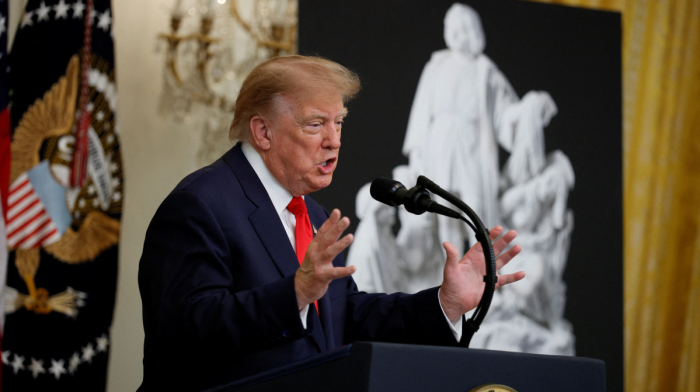
U.S. President Donald Trump on Tuesday (17 March) announced that he is postponing a highly anticipated trip to Beijing to meet Chinese President Xi Jinping, citing the war with Iran as the main disruption to efforts to ease tensions between the world’s two largest economies.
The visit, originally scheduled for 31 March to 2 April and set to be the first of Trump’s second term, has been delayed. Trump said the trip will now take place in approximately five to six weeks.
“We are resetting the meeting … We’re working with China. They were fine with it,” Trump told reporters in the Oval Office.
Beijing has not officially confirmed dates for the visit and does not normally publicise President Xi’s schedule far in advance.
The postponement adds uncertainty for markets and diplomacy alike. The war with Iran has driven oil prices higher, threatened shipping through the Strait of Hormuz and heightened investor focus on energy security.
The delay will also sideline discussions intended to ease trade frictions between Washington and Beijing, covering issues including Taiwan, tariffs, computer chips, illegal drugs, rare earth minerals and agriculture.
Early preparations included talks this week in Paris between U.S. Treasury Secretary Scott Bessent and Chinese Vice Premier He Lifeng, focusing on potential additional purchases of U.S. agricultural goods - including poultry, beef and non-soybean row crops - as well as on managing trade and investment flows.
“Head-of-state diplomacy plays an irreplaceable role in providing strategic guidance to China–U.S. relations,” said Lin Jian, a spokesperson for China’s Foreign Ministry.
Trump’s campaign in Iran has generated widespread military and economic consequences, consuming attention across his administration.
Iran has responded to joint U.S.–Israeli attacks by threatening vessels passing through the Strait of Hormuz, through which around one-fifth of the world’s oil supply passes each day.
Trump has called on multiple nations, including China, to help secure shipping, but Beijing has not responded directly.

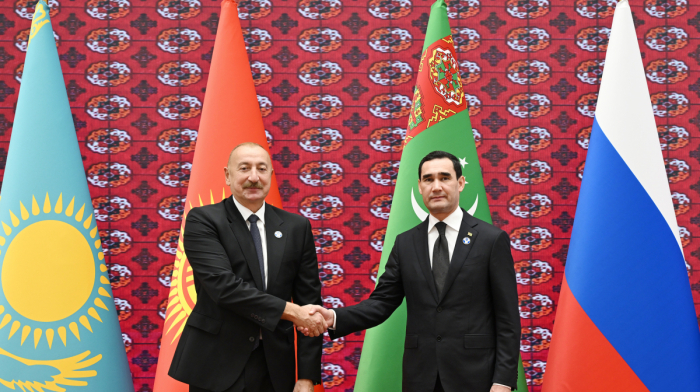
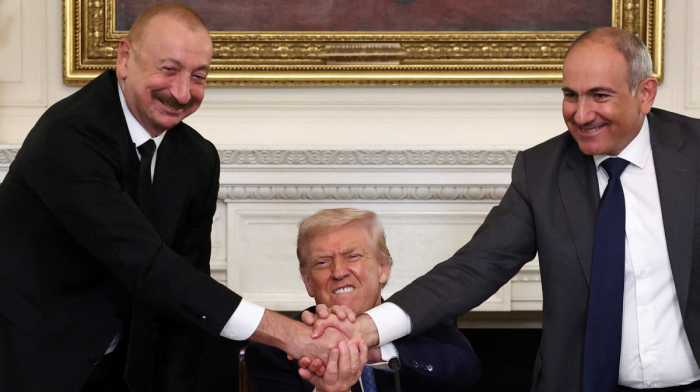
Azerbaijani President Ilham Aliyev and Armenian Prime Minister Nikol Pashinyan have concluded talks in Bishkek, the capital of Kyrgyzstan, on the sidelines of the Shanghai Cooperation Organisation (SCO) summit.
Iran has reached an understanding with Oman on transit arrangements through the Strait of Hormuz, but the waterway will remain closed until the U.S. fulfils its commitments, a senior Iranian diplomat said on Saturday.
Iranian Foreign Minister Abbas Araghchi accused U.S. government and Israel-aligned actors of manipulating energy markets to promote the war with Iran.
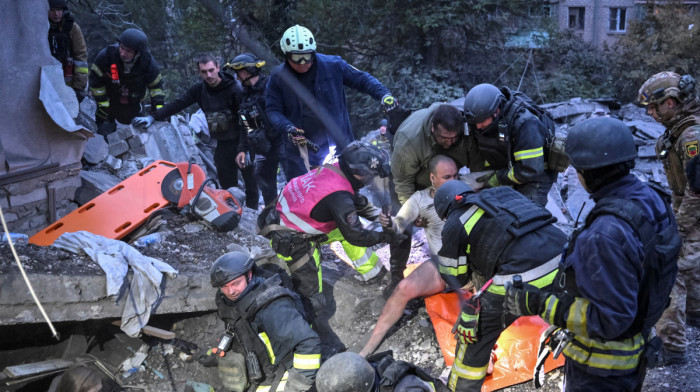
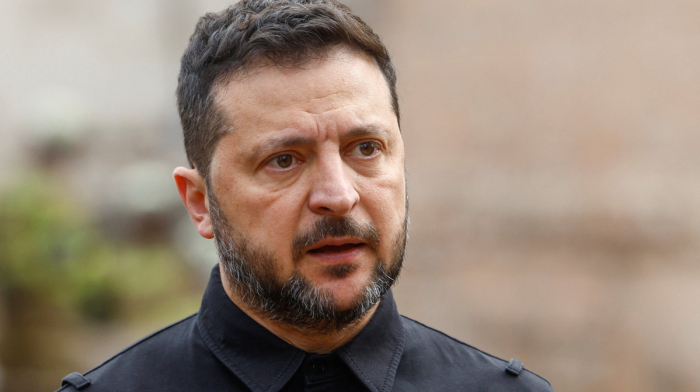
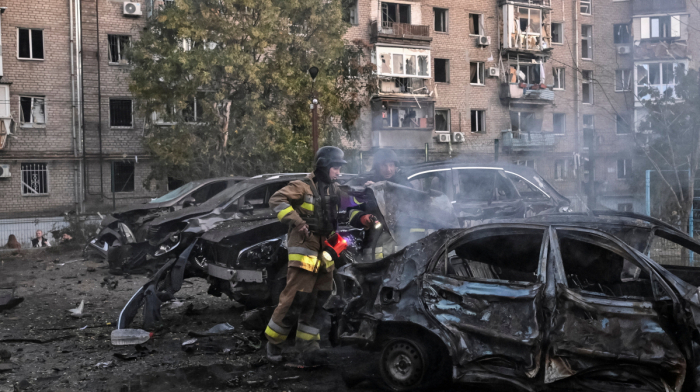
Russian strikes on the Kyiv region overnight killed 37 people, Ukrainian President Volodymyr Zelenskyy has said. Zelenskyy added that the Ukrainian capital was under "virtually nonstop attack" from drones.
U.S. forces struck two Iranian rocket launchers on Larak Island on Sunday, with Tehran responding by launching ballistic missiles at two U.S. bases in Jordan in the first direct U.S.-Iran military escalation in weeks.
Iran’s President Masoud Pezeshkian has stated that Tehran is not pursuing a military conflict but promised a strong response to 'aggressors' while the Army and Revolutionary Guards said they carried out retaliatory attacks against U.S. bases in the region on Monday.
Kyrgyzstan is hosting the sixth World Nomad Games, bringing together thousands of athletes from around the world for a celebration of traditional sports, cultural heritage and nomadic traditions.
Pakistan is set to take over the rotating chairmanship of the Shanghai Cooperation Organisation after the bloc’s leaders meet in Bishkek. Prime Minister Shehbaz Sharif arrived on Friday to attend the SCO Council of Heads of State meeting and SCO Plus Summit, which run until 2 September.
Israeli Prime Minister Benjamin Netanyahu has condemned the actions of Israeli settlers in the West Bank village of Qusra, saying security operations should be handled only by state institutions, including the army and police.
Rescue teams in Nepal, supported by Chinese and Indian experts, worked through the night to reach hundreds of people believed to be trapped inside blocked hydropower project tunnels following last week’s catastrophic Himalayan flood.
You can download the AnewZ application from Play Store and the App Store.
What is your opinion on this topic?
Leave the first comment