China grants zero-tariff access to all African countries with diplomatic ties
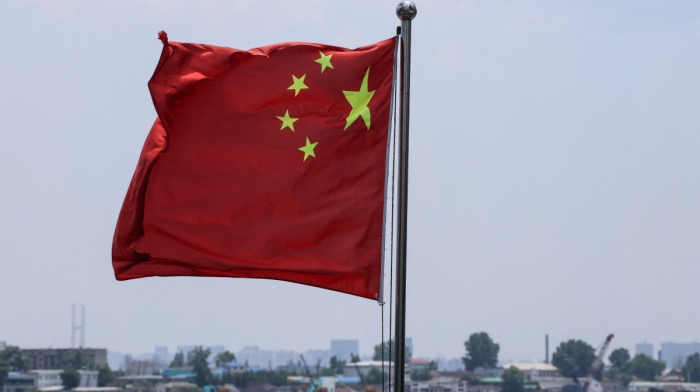
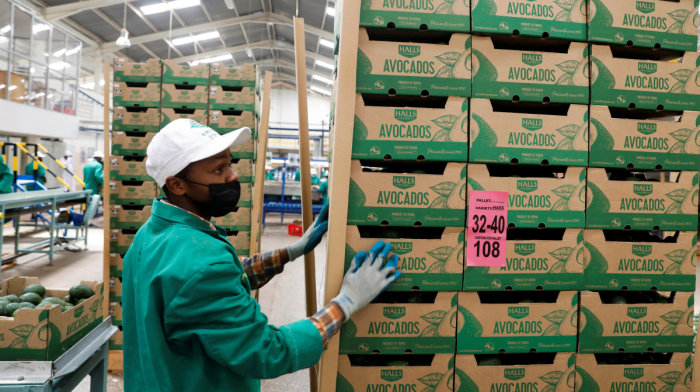
From Thursday, 1 May, goods from every African country with diplomatic ties to China will be able to enter the Chinese market without paying import duties.
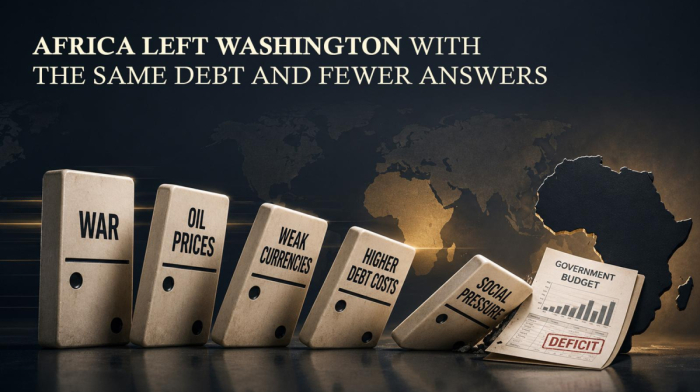
The International Monetary Fund (IMF) and World Bank held their Spring Meetings in Washington from 13 to 18 April. Finance ministers flew in, communiqués were drafted, and the usual parade of panels and press conferences ran their course.
We are not witnessing another cyclical downturn or a temporary geopolitical disturbance. What we are living through is far more profound: a systemic recalibration of the global order. Three long-standing assumptions have quietly collapsed.
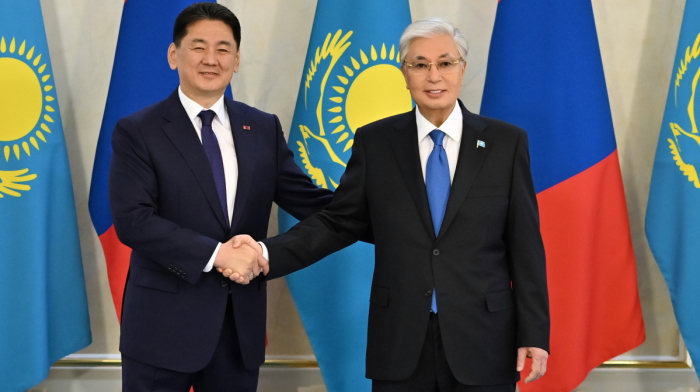
Kazakhstan and Mongolia have agreed to expand trade, energy and transport cooperation following high-level talks between their leaders in Astana.
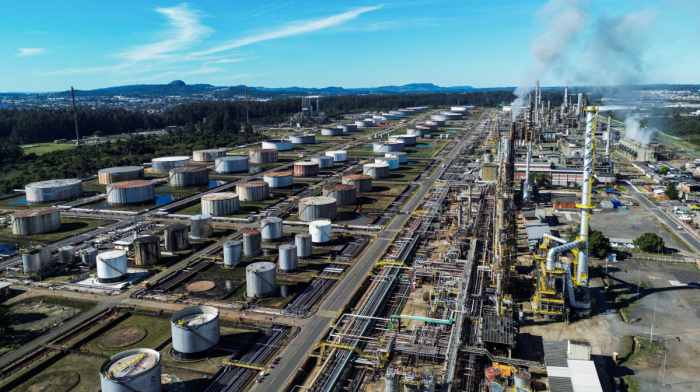
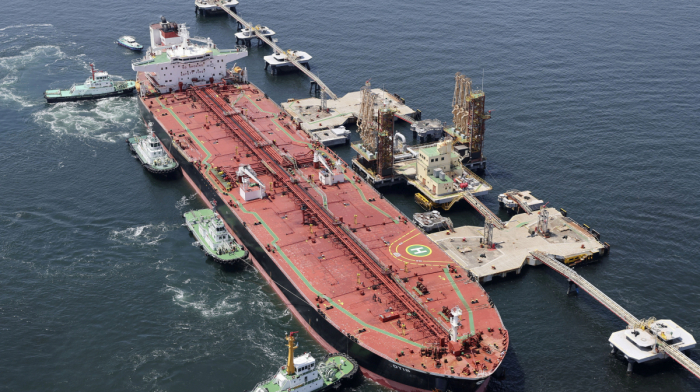
The escalating conflict involving Iran, the U.S. and Israel is fuelling what could become the most severe energy crisis the world has ever faced, according to the head of the International Energy Agency (IEA).
China is seeking to strengthen and upgrade its cooperation with Turkmenistan, focusing on what officials describe as “high-quality development” across a range of sectors.
Türkiye’s foreign minister has appealed for restraint and diplomacy as tensions around the Strait of Hormuz unsettle global markets, warning that any military attempt to resolve the crisis could deepen instability rather than ease it.
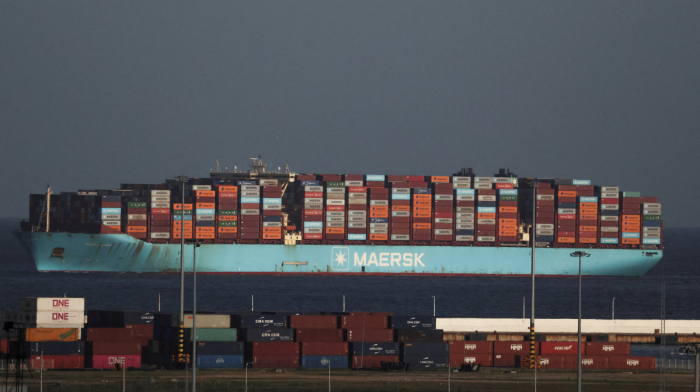
China’s export growth slowed sharply in March, as the fallout from the Middle East conflict pushed up energy and shipping costs, weakening global demand and exposing risks in Beijing’s reliance on manufacturing to drive growth.
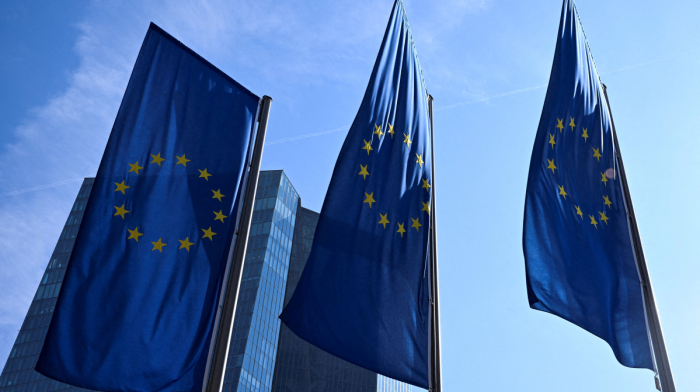
The European Union and Washington are nearing an agreement to coordinate the production and security of critical minerals, Bloomberg News reported on Friday (10 April).
The escalation of conflict involving the United States, Israel, and Iran since 28 February 2026 has moved beyond a regional security crisis to become a systemic shock to the global economy and our pockets.
China is raising domestic petrol and diesel prices under temporary measures to manage a sharp surge in global oil costs, aiming to support fuel suppliers while maintaining market stability during a period of heightened volatility.
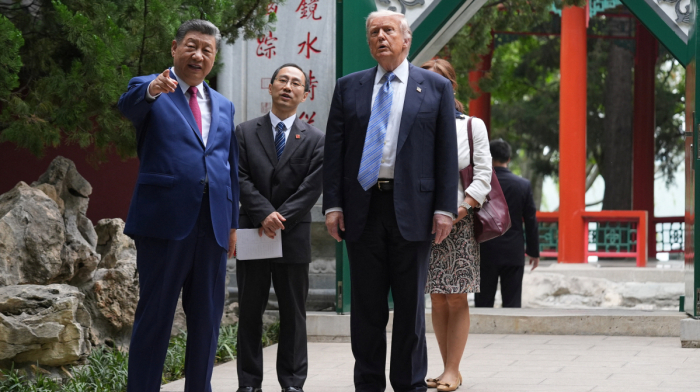
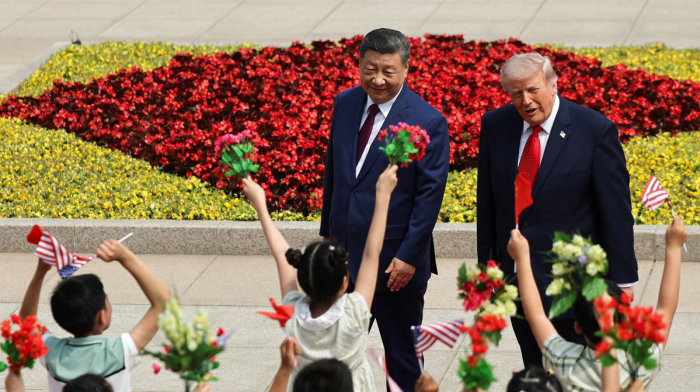
U.S. President Donald Trump on Tuesday (17 March) announced that he is postponing a highly anticipated trip to Beijing to meet Chinese President Xi Jinping, citing the war with Iran as the main disruption to efforts to ease tensions between the world’s two largest economies.
The economic consequences of war rarely remain confined to the battlefield. They ripple through markets, supply chains and investor confidence. For Türkiye, at the crossroads of Europe, the Middle East and Eurasia, the economic shockwaves from the latest Middle East crisis are already being felt.
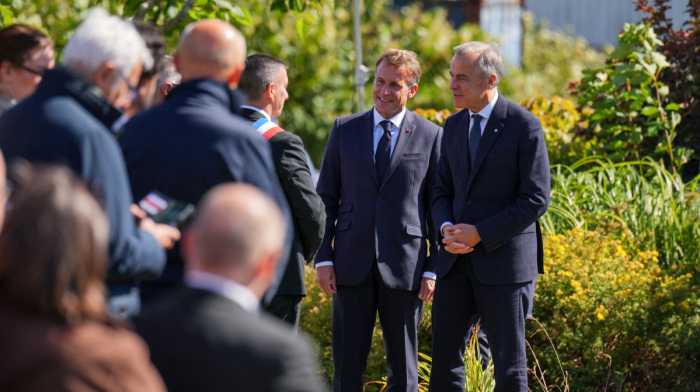
Canadian Prime Minister Mark Carney arrived in Australia on Tuesday (3 March), aiming to bolster relations between the two so-called "middle powers" amid what he has called a "rupture" in world order.
Chinese President Xi Jinping and German Chancellor Friedrich Merz agreed on Wednesday in Beijing to strengthen economic cooperation while addressing trade imbalances, market access concerns, and the war in Ukraine, during Merz’s first official visit to China since taking office.
Global transportation company FedEx has filed a lawsuit in the U.S. Court of International Trade seeking a refund for President Donald Trump's emergency tariffs it paid under the overturned International Emergency Economic Powers Act (IEEPA).
China says it's making a "full assessment" of the U.S. Supreme Court's tariff ruling and urged Washington to lift "relevant unilateral tariff measures" on its trading partners, the Chinese commerce ministry said in a statement on Monday (23 February).
Afghan and Uzbek traders have signed 25 agreements worth more than $300 million at a business conference, as officials from both sides said trade ties are expanding rapidly and could grow further in the coming years.
China and Uruguay should should work together to advance an "equal and orderly multipolar world", President Xi Jinping told his counterpart Yamandu Orsi on Tuesday (3 February).
China agreed to relax rules to allow some visa-free travel for British citizens on Thursday (29 January) during a visit by UK Prime Minister Keir Starmer to Beijing. It's part of a partnership deal which Westminster hopes will help expand its service sector.
India and the European Union have finalised a long-pending trade deal, both sides said on Tuesday, calling it the “mother of all deals” as they seek to hedge against uncertainty in U.S. trade ties.
Last year, China’s imports hit a record value of 18.48 trillion yuan ($2.65 trillion). For decades, the orthodox view of the Chinese economy focused almost exclusively on its export prowess. However, the granular breakdown of the 2025 data reveals that this operating model has been superseded.
At the World Economic Forum in Davos, Canadian Prime Minister Mark Carney positioned Ottawa at the forefront of a ‘post-American’ economic order, calling for a radical restructuring of global trade to bypass Washington’s increasing volatility.
A fresh consignment of precision-guided munitions has departed from the Indian city of Nagpur bound for Yerevan, marking the latest phase in the rapidly expanding defence partnership between India and Armenia.
You can download the AnewZ application from Play Store and the App Store.