Why are Gen Z protesters taking to Germany's streets?
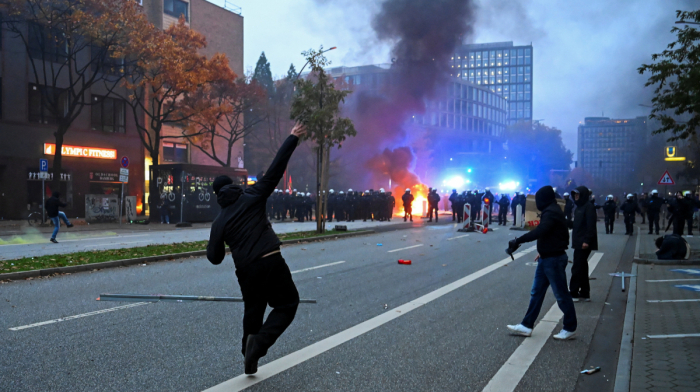
Gen Z protests swept 34 German cities on Saturday (31 October) over education, living costs and military service proposals. Violence erupted in Fra...
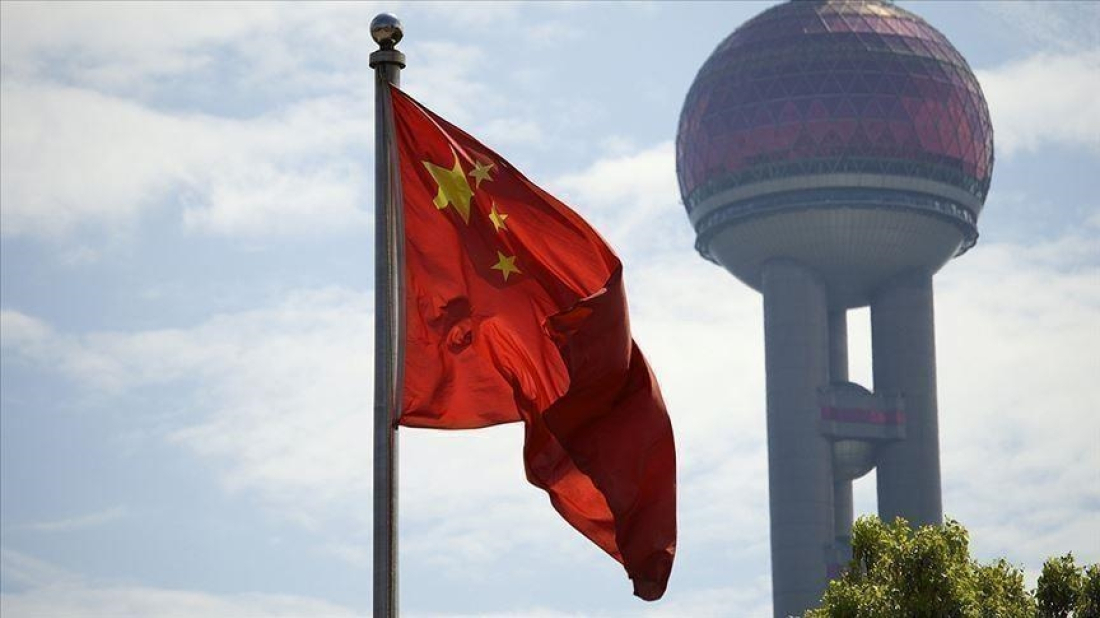
China has stated that trade agreements between the US and other countries should not be designed to target or negatively impact third nations. The comment follows a new trade deal announced between the United States and Vietnam earlier this week.
On Wednesday, U.S.President Donald Trump announced that a new trade agreement had been reached with Vietnam following discussions with To Lam, General Secretary of the Communist Party of Vietnam. Under the deal, Washington will impose a 20% tariff on goods directly imported from Hanoi and a 40% tariff on transshipped products passing through the Southeast Asian country.
In exchange, U.S. exports to Vietnam will enter the country tariff-free. Trump hailed the agreement as a "Great Deal of Cooperation between our two Countries" in a post on Truth Social.
Commenting on the development, Chinese Foreign Ministry spokesperson Mao Ning said during a live-streamed press briefing in Beijing, “China believes that trade disputes should be resolved through equal consultation, and that bilateral agreements must not target or harm the interests of any third party.”
Trump had previously imposed a 46% tariff on Vietnamese imports, which was paused pending the expiration of a 90-day deadline on 9 July.
The agreement gives the U.S. full access to Vietnamese markets. Trump added that American-made SUVs, or "Large Engine Vehicles," could perform well in Vietnam and would be a valuable addition to the country’s product offering.
Beijing’s concerns come amid heightened U.S. influence in Southeast Asia, as China seeks to maintain its strategic and economic presence in the region.
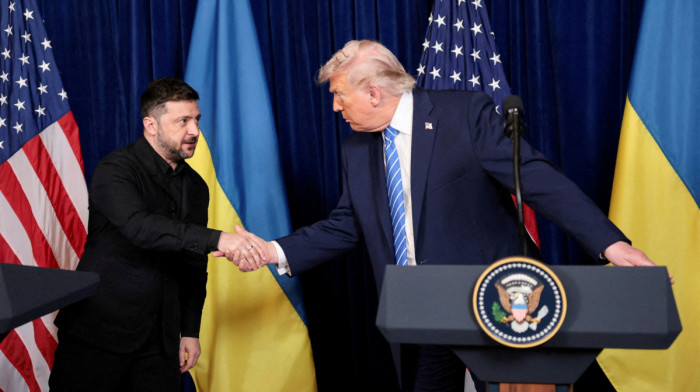
The U.S. has approved the sale of 500 Patriot PAC-3 missiles to Ukraine in a deal worth an estimated $2.1 billion, but Kyiv could face years of delays before receiving the weapons it urgently needs to defend against intensifying Russian attacks.
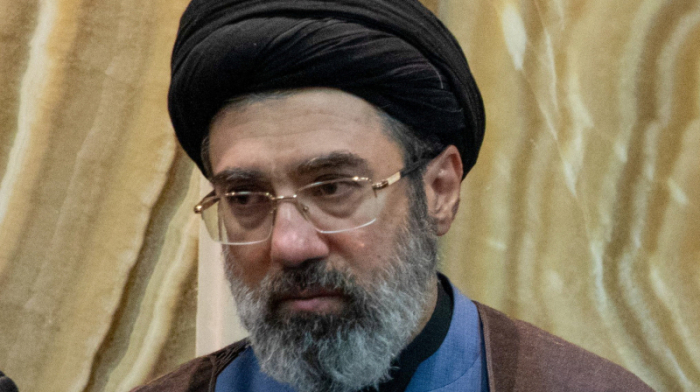
Iranian Supreme Leader Ayatollah Khamenei has ordered Iran's armed forces to respond to any threat immediately and without geographical limits in statements posted to social media platforms on Saturday (31 October).
Demonstrators carrying Iranian flags and placards supporting the hijab gathered outside the Azerbaijani Embassy in London.
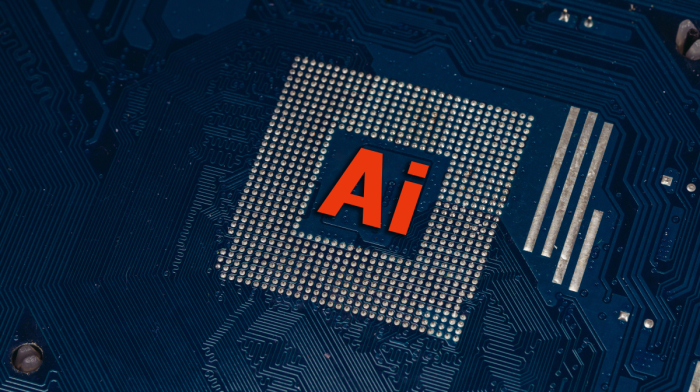
A Chinese-made AI chip has matched Nvidia’s H200 in tests conducted by its developer, marking a potential breakthrough in China’s efforts to reduce its dependence on foreign technology.
A hacking group linked to North Korea is widely believed to be behind the theft of $6.3 billion from cryptocurrency giant Binance, a cyberattack that experts describe as the largest cryptocurrency heist on record.
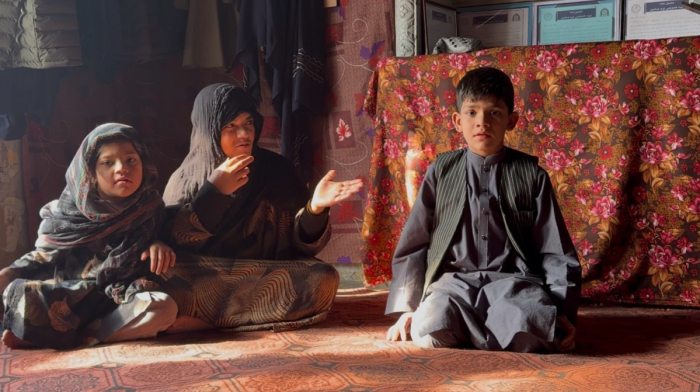
Since 2021, only 9 per cent of $8 billion in humanitarian aid for Afghanistan can be traced beyond initial recipients in public records, a Kabul Institute report released on 22 October said. The United Nations says its oversight systems ensure accountability.
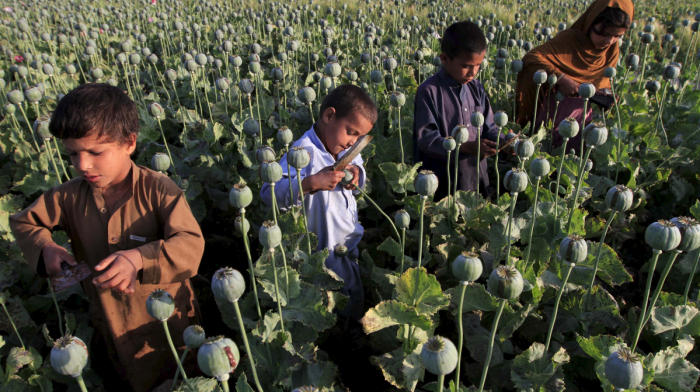
Opium poppy cultivation in Afghanistan surged by 330 per cent in 2026 despite a four-year ban, the United Nations said on Thursday. Afghan authorities disputed the findings, while Japan urged continued support for farmers seeking alternative livelihoods.
Demonstrators carrying Iranian flags and placards supporting the hijab gathered outside the Azerbaijani Embassy in London.
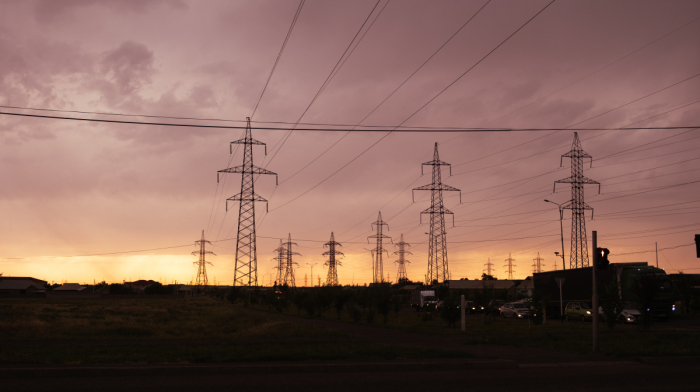
Central Asia could gain up to $640 million a year from closer energy cooperation, but strained electricity grids threaten to limit those gains, with Kazakhstan particularly exposed to regional power shortages and growing pressure on its network.
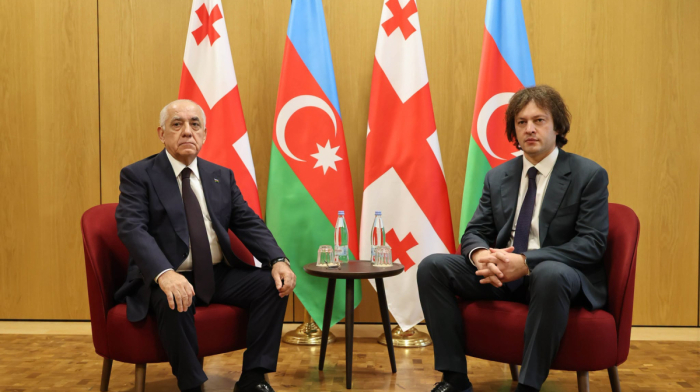
Georgia and Azerbaijan are stepping up efforts to boost trade, strengthen transport links between Asia and Europe and resolve a longstanding border dispute, as both countries seek to deepen their strategic partnership.
You can download the AnewZ application from Play Store and the App Store.
What is your opinion on this topic?
Leave the first comment