live WUF13 opening ceremony held in Baku as global forum advances sustainable urban development
The World Urban Forum (WUF13) continues in Baku, Azerbaijan on 18 May, addressing the global housing crisis. The day’s agenda includes the of...
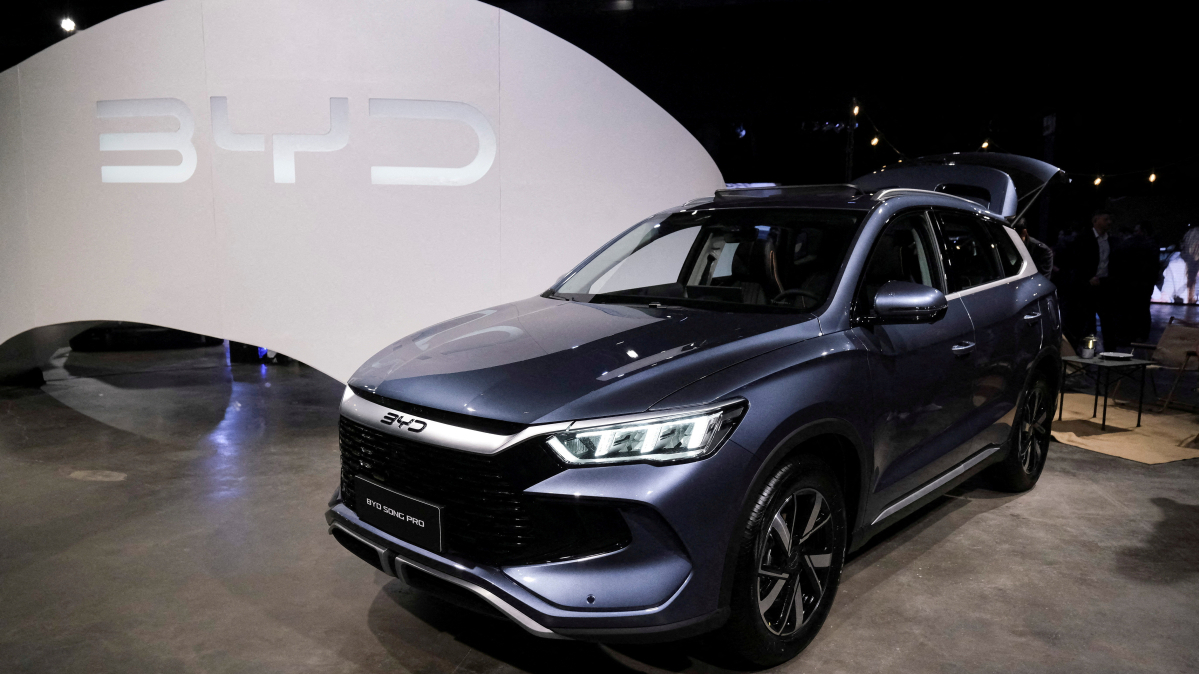
Chinese electric carmaker BYD is making major strides in Europe, with sales surging nearly fivefold in September from a year earlier to just under 25,000 new registrations.
The jump reflects the company’s growing foothold in the region as it steadily narrows the gap with Tesla, the long-standing market leader in electric vehicles.
Once seen as a domestic player, BYD is now emerging as a global contender.
Its mix of affordability, range, and reliability has helped win over European drivers at a time when cost-conscious consumers are rethinking traditional car brands.
Popular models like the Atto 3, Dolphin, and Seal have gained traction across key markets including Germany, France, and the UK, pushing BYD further into the mainstream.
Tesla continues to lead in Europe, supported by its Berlin Gigafactory and the strong performance of the Model Y.
But BYD’s sharp growth suggests the balance of power may be shifting. The company’s ability to control its entire production chain from batteries to chips has allowed it to keep prices competitive even as rivals struggle with higher costs.
Europe’s electric vehicle market remains one of the fastest growing in the world, despite weaker subsidies and economic headwinds.
BYD’s expansion aligns with this momentum, and its planned manufacturing plant in Hungary signals a deeper commitment to the continent.
The move could also help mitigate risks from potential European Union tariffs on Chinese-made cars.
Still, the road ahead isn’t without obstacles. European regulators are stepping up scrutiny of Chinese EV subsidies, and established automakers are rolling out new electric models to defend their market share.
Yet BYD’s rapid rise highlights how the global auto landscape is changing fast.
With Tesla and BYD now vying head-to-head for Europe’s electric future, the competition is no longer about who got there first, but who can stay ahead in an increasingly crowded race.

Bulgaria has won the Eurovision Song Contest for the first time, taking victory in a final overshadowed by a boycott over Israel’s participation and the war in Gaza.
At least eight people were injured after a driver rammed a car into pedestrians in the northern Italian city of Modena, authorities said on Saturday. Four of the victims were reported to be in serious condition.
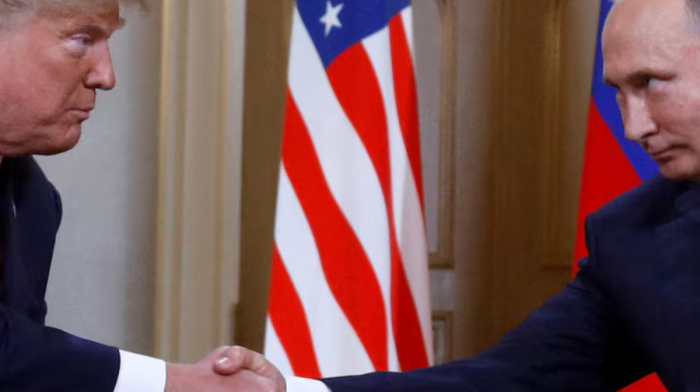
U.S. President Donald Trump said Washington could destroy Iran’s infrastructure “in two days,” while Tehran warned the U.S. would face growing economic costs from the conflict. The remarks came as Hezbollah reported new attacks on Israeli forces despite an extended Lebanon ceasefire.
At least eight people have died and 32 others were injured after a freight train collided with a public bus at a railway crossing in Bangkok on Saturday (16 May), triggering a fire that quickly spread through the vehicle.
The World Urban Forum (WUF13) continues in Baku, Azerbaijan on 18 May, addressing the global housing crisis. The day’s agenda includes the official opening press conference, the WUF13 Urban Expo opening and a ministerial dialogue on the Nairobi Declaration to advance Africa's urban agenda.
Government bond markets from Tokyo to New York extended losses on Monday (18 May) as rising energy prices linked to the Middle East conflict heightened inflation concerns and reinforced expectations that major central banks could keep interest rates higher for longer.
Negotiations between Samsung Electronics and its workforce on Wednesday have broken down, officials said, raising fresh concerns over potential disruption to South Korea’s export-heavy economy.
By the time American shoppers began noticing higher prices on everything from trainers to televisions, the world's two largest economies were already deep in a trade war that left the world wondering how it would end.
The Strait of Hormuz remains a vital maritime chokepoint and serves as the primary artery linking the Persian Gulf to international energy markets. With approximately 20% of global oil and gas shipments transiting this waterway, it is the backbone of energy security for Asia, Europe, and beyond.
China’s exports grew faster than expected in April, as overseas buyers moved quickly to secure supplies amid fears that the conflict involving Iran could drive up global energy and transport costs.
You can download the AnewZ application from Play Store and the App Store.
What is your opinion on this topic?
Leave the first comment