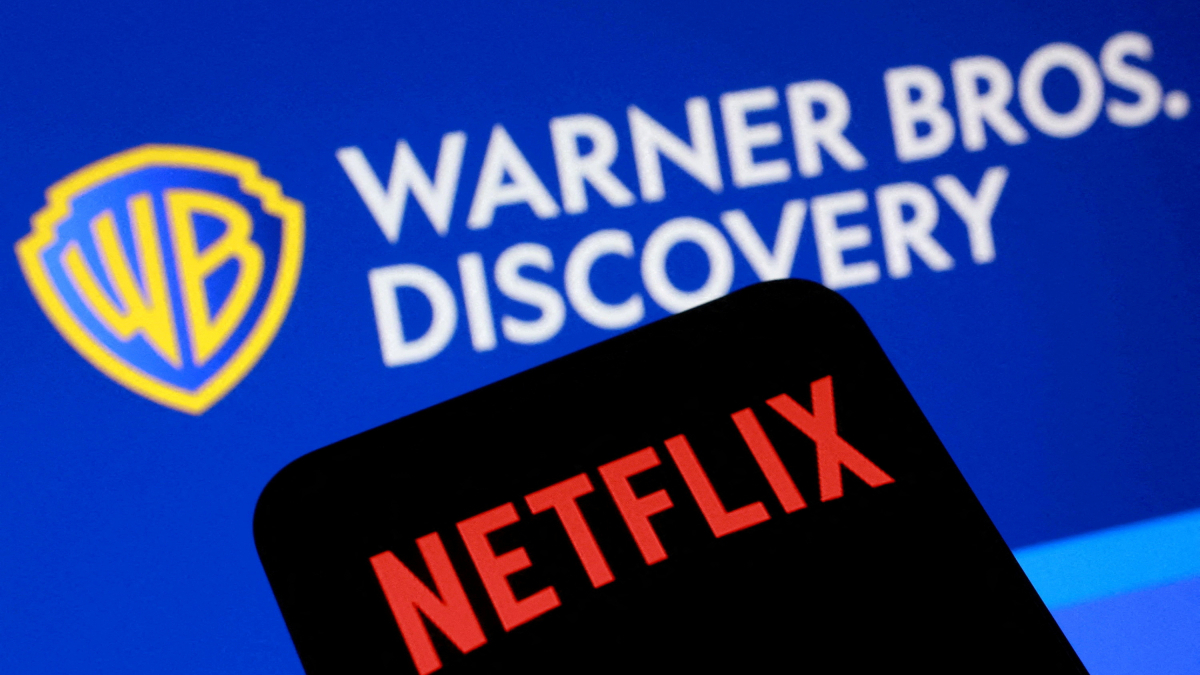
Warner Bros Discovery’s board rejected Paramount Skydance’s $108.4 billion hostile bid on Wednesday (17 December), citing insufficient financing guarantees.
The decision reportedly follows the board’s formal advice to shareholders to reject Paramount Skydance’s takeover bid.
In a letter to investors disclosed on Wednesday, Warner Bros. Discovery (WBD) criticised Paramount’s $108.4 billion all‑cash offer (roughly $30 per share) claiming it lacked credible financing guarantees and carried “numerous, significant risks”.
The board reaffirmed its support for a binding merger agreement with Netflix worth $27.75 per share, which combines cash and stock and excludes the company’s cable networks, citing Netflix’s strong balance sheet and clear financing commitments.
“We strongly believe that Netflix and Warner Bros. joining forces will offer consumers more choice and value, allow the creative community to reach even more audiences with our combined distribution, and fuel our long-term growth,” the letter said.
Warner’s board emphasised that Paramount had repeatedly misled shareholders by claiming its offer was fully guaranteed by the Ellison family, led by Oracle CEO Larry Ellison.
According to Warner Bros., the financing relies in part on an opaque revocable trust, whose assets and liabilities are not publicly disclosed and can be withdrawn at any time.
However, Paramount CEO David Ellison has countered that the trust contains over $250 billion in assets and that its equity commitment (backed by the Ellison family, RedBird Capital, and major banks) was sufficient to support the bid.
Paramount’s bid came after Warner announced the Netflix deal on 5 December and follows at least six prior offers that the board rejected as inferior.
Reportedly, this time Paramount has taken its case directly to shareholders, urging them to tender their shares. Its seeking to acquire the entire company, including cable networks such as CNN and Discovery, while Netflix’s agreement excludes the cable operations and would close only after Warner completes the previously announced separation of its cable business.
Both takeover proposals face intense regulatory scrutiny.
A combined Netflix and Warner would create one of the world’s largest streaming businesses, raising antitrust concerns in the United States and abroad.
Critics including U.S. Senator Elizabeth Warren have warned that consolidation could reduce competition and choice for consumers.
U.S. President Donald Trump has signalled potential political involvement in the review process, as reported by ABC News.
Paramount’s plan to include Warner’s cable networks and news operations (such as CNN and Discovery) in its offer further complicates regulatory review, especially around media plurality and competition.
In another development, according to Axios, private investment firm Affinity Partners, led by Jared Kushner, has withdrawn from supporting Paramount’s bid, reducing political and strategic leverage for the company.




















What is your opinion on this topic?
Leave the first comment