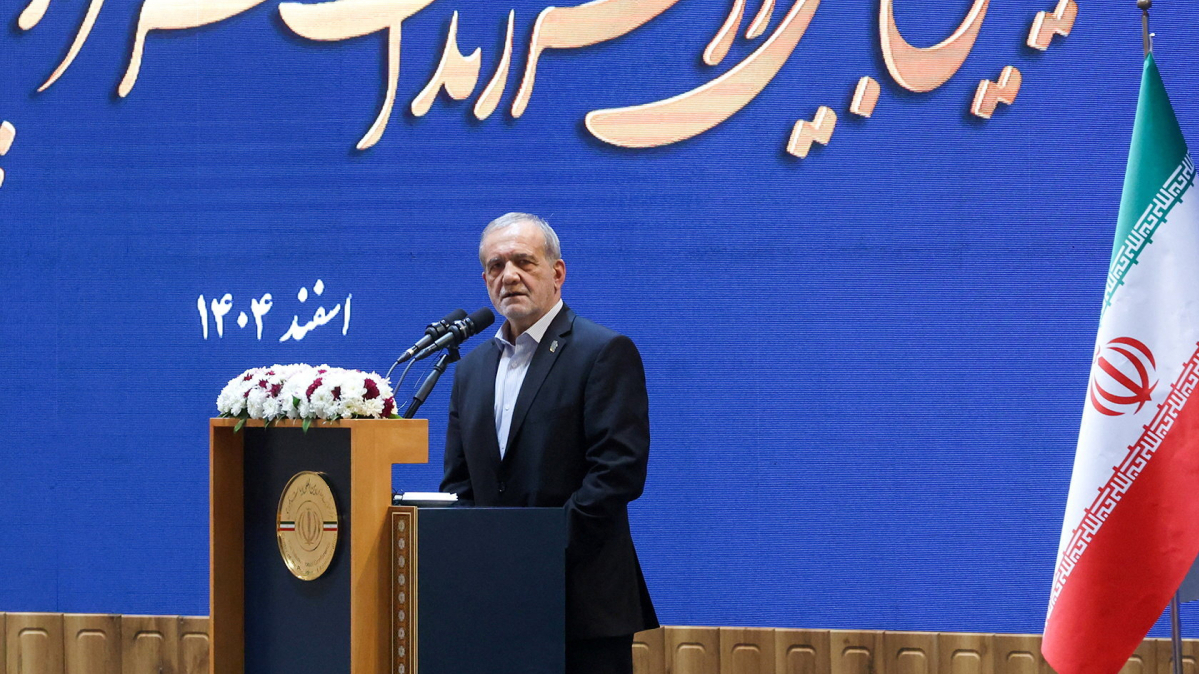
Iranian civilian and military officials have pledged their obedience to the new leader, Ayatollah Seyed Mojtaba Khamenei, with President Masoud Pezeshkian saying his leadership “will herald a new era of dignity and authority for the Iranian nation.”.
Mojtaba Khamenei succeeded his father, Ayatollah Seyed Ali Khamenei, on Monday after he was killed in U.S.–Israeli air raids on 28 February.
President Masoud Pezeshkian said the “smart choice” of the Assembly of Experts “will herald a new era of dignity and authority for the Iranian nation”, according to the website of the President’s Office.
“Under your leadership, Iran will reach a brilliant horizon of lasting independence, scientific and technological progress, and all-round development,” he said in a letter addressed to the new leader.
Foreign Minister Abbas Araghchi said in a statement that the election of Seyed Mojtaba Khamenei as Iran’s third leader “will strengthen national cohesion”.
“Under the current critical situation of the country, the election will undoubtedly guarantee the national sovereignty and territorial integrity of our beloved country and will strengthen national unity and cohesion,” the state IRNA news agency quoted him as saying.
Armed forces pledge loyalty to new leader
The armed forces, including the Revolutionary Guards as well as the Army, also expressed their support for the election of Ayatollah Mojtaba Khamenei, stressing their “complete obedience ... up to their last drop of blood,” to the leader, who is the commander-in-chief of Iran’s armed forces.
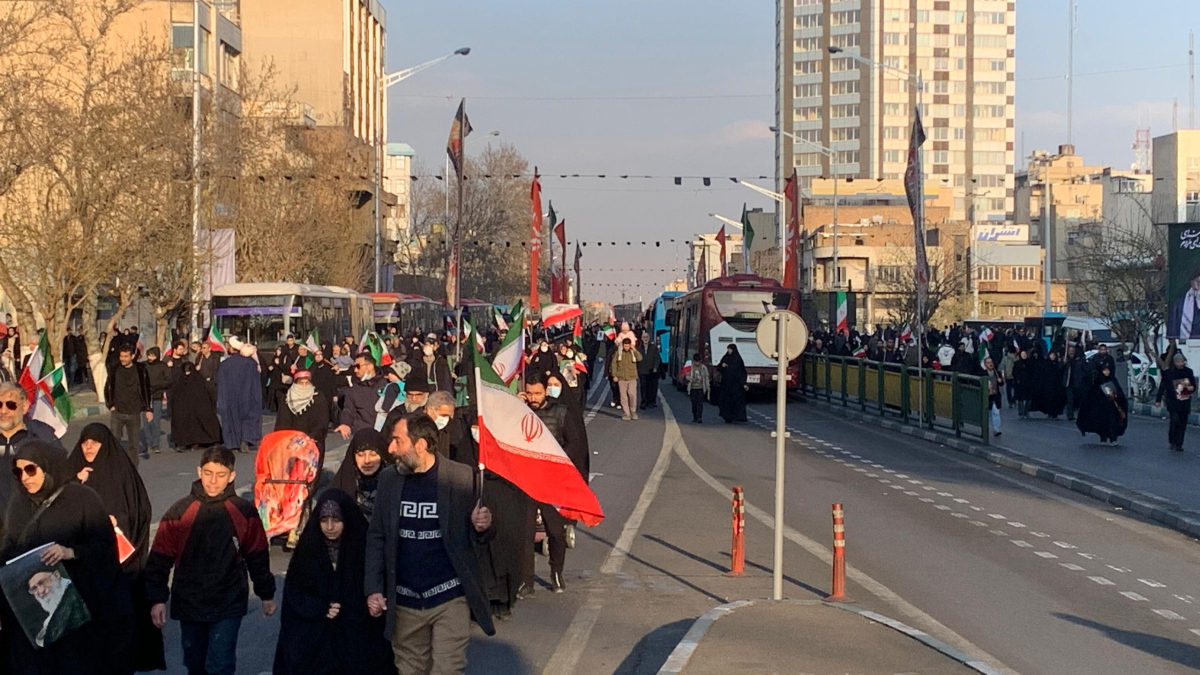
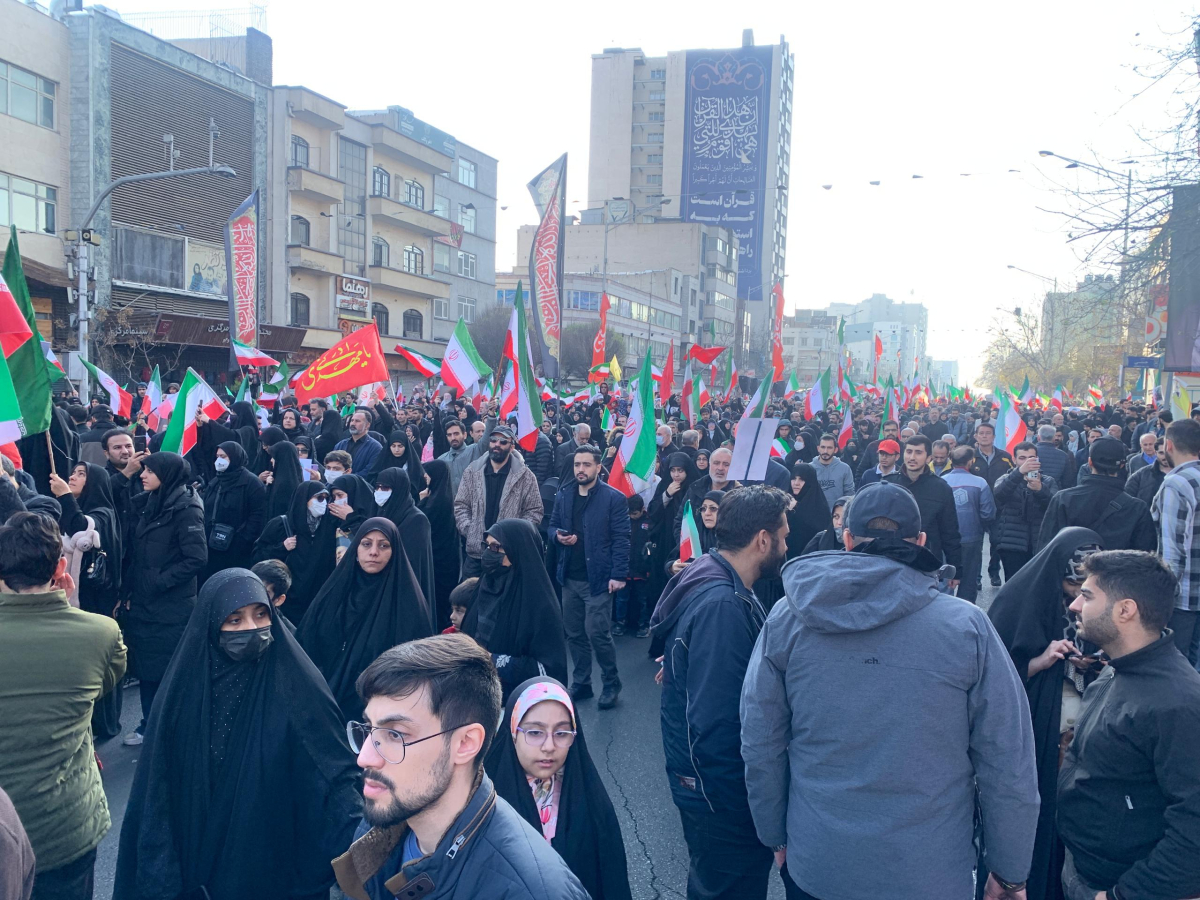
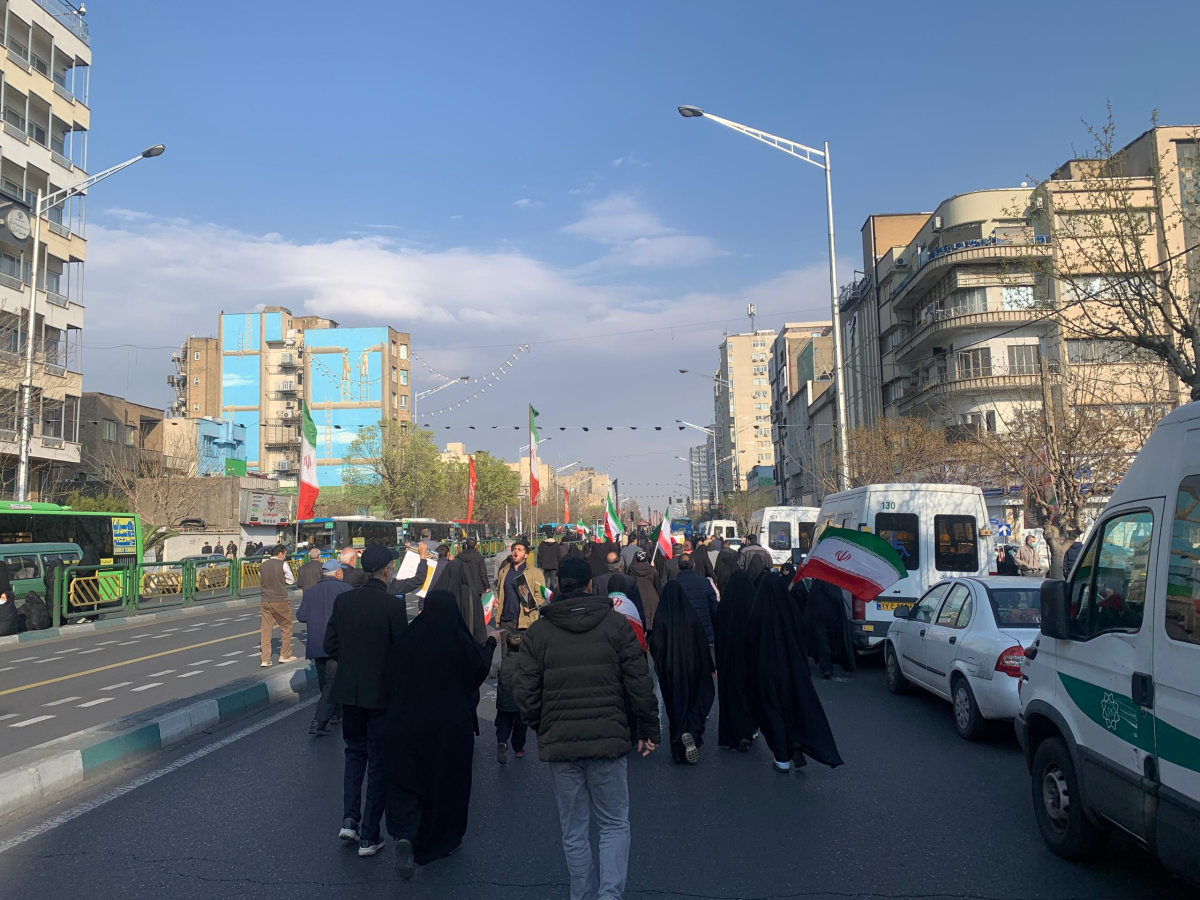
A ceremony will be held on Monday in a downtown square to express an oath of allegiance to the new leader.
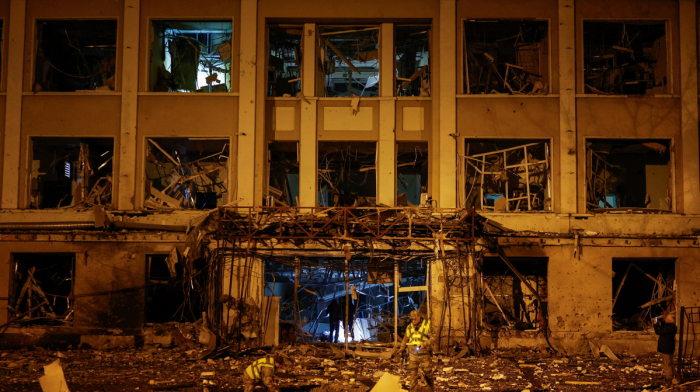
Meanwhile, as the Israel–U.S. invasion of Iran entered its 10th day, a mass funeral was held at the capital’s Behesht-e Zahra Cemetery in southern Tehran to bury civilians killed during the war.
Vice President for Women and Family Affairs Zahra Behrouz-Azar, in a letter to UN Secretary-General António Guterres, urged the world body to take decisive action over the Israel–U.S. military aggression against Iran, IRNA reported.
She called on the UN chief to submit “an independent and accurate report to the international community on the violations of international human rights and international humanitarian law by the U.S. government and the Israeli regime in their aggression against Iranian territory and its widespread impact on the situation of women and children in war-torn areas”.
Behrouz-Azar stressed the need to use all diplomatic tools and deterrent measures against the aggressors in order to stop the killings, aggression and war crimes.
Foreign Ministry spokesman Esmaeil Baghaei condemned U.S.–Israeli attacks on Iran’s energy infrastructure as “chemical warfare” and “genocide.”
“Deliberate strikes on fuel storage facilities amount to chemical warfare against civilians,” he wrote in a post on X.
“These strikes constitute a war crime, crime against humanity and genocide - all at once.”
He also criticised the UN chief’s statements on the global economic fallout of the Israel–U.S. invasion of Iran, saying they neglected the human costs and moral aspects of the war.
“You are concerned about the ‘grave risk to the global economy’; what about the innocent civilians, including 175 little angels slaughtered in the city of Minab and many more killed and maimed across Iran during the past seven days of American and Israeli criminal acts?” he said, according to the Foreign Ministry’s website.
“The UN must be forthright and shoulder its legal and moral responsibilities regarding this illegal war on Iran,” Baghaei added.














What is your opinion on this topic?
Leave the first comment