India secures Iranian oil for first time in seven years amid global supply disruptions
India has purchased crude oil from Iran for the first time in seven years, as supply disruptions in the Middle East threaten global energy markets.
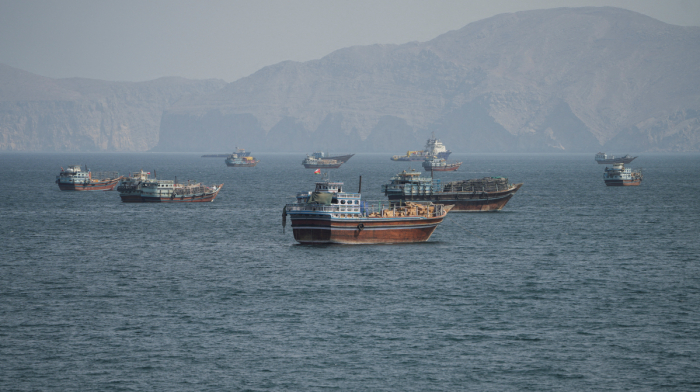
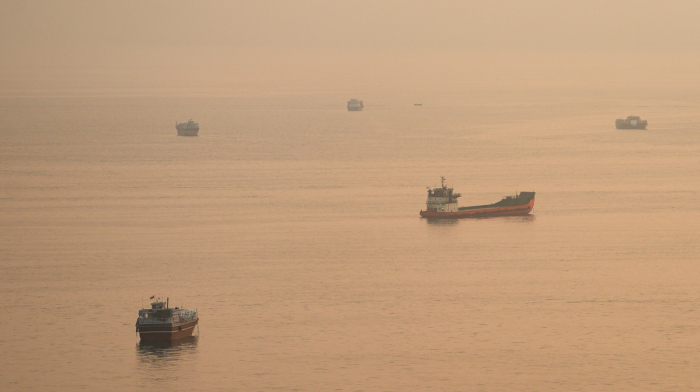
A French-owned container ship has sailed through the Strait of Hormuz, marking the first passage by a major Western vessel since the outbreak of war involving Iran and the U.S.-Israeli coalition.
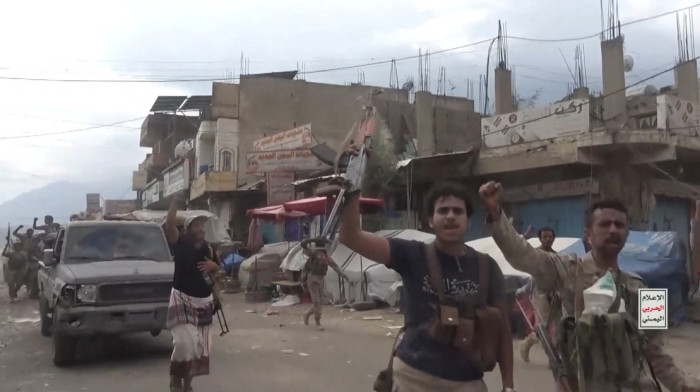
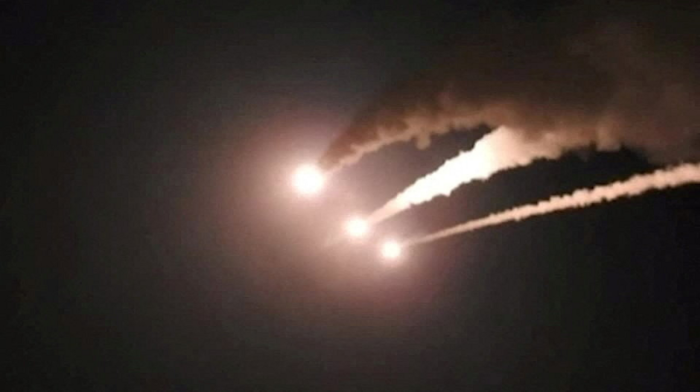
Fresh Houthi missile and drone strikes on Israel mark a significant widening of the Iran-centred conflict, raising fears the Yemen-based group could open a new front. Their position near the Bab el-Mandeb strait also threatens global shipping and energy flows.
Fears of wider escalation grow despite President Donald Trump saying U.S. strikes on Iran could end within weeks. Meanwhile missile attacks, tanker incidents and rising casualties across Israel, Lebanon and the Gulf heighten risks to regional stability and energy routes.
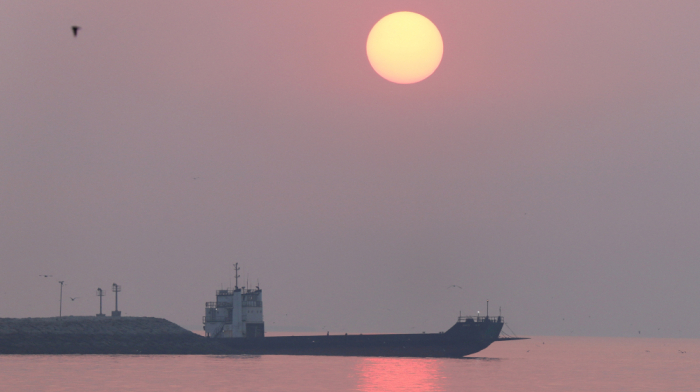
There are fears of an oil spill after a drone strike hit a Kuwaiti oil tanker near Dubai on Tuesday, while U.S.-Israeli strikes in Iran reportedly killed at least two people. A loud explosion was heard in Beirut in southern Lebanon early Wednesday, as oil prices climbed above $100 a barrel.
UK Prime Minister Keir Starmer, French President Emmanuel Macron and Japanese Prime Minister Sanae Takaichi have called for urgent action to reopen the Strait of Hormuz, as escalating conflict continues to choke one of the world’s most critical energy routes.
Azerbaijan has voiced strong support for Türkiye following the interception of a fourth ballistic missile over Turkish territory on Monday (30 March), amid rising regional tensions.
The Iran-U.S.-Israel conflict is intensifying, with fresh strikes near Tehran, European calls for restraint, and Iran threatening to target U.S. firms in the region, raising fears of a broader escalation across the Middle East.
Egypt’s President Abdel Fattah al-Sisi on Monday urged U.S. President Donald Trump to intervene in the escalating Gulf conflict, warning that only he could prevent it from spreading further.
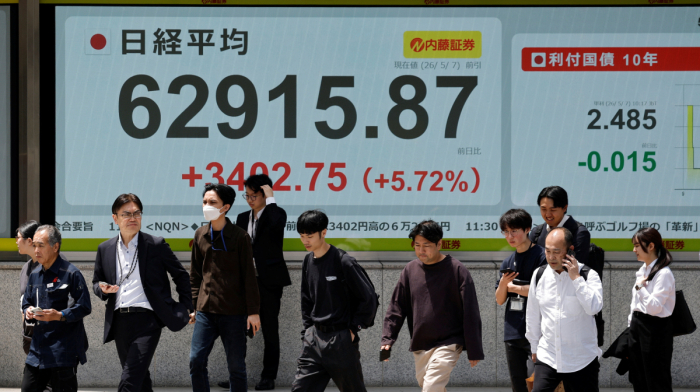
Stock markets across Asia fell on Monday as escalating conflict involving Iran drove oil prices sharply higher, fuelling fears of inflation and a potential global recession, with investors reacting to disruption risks in the Strait of Hormuz and prolonged hostilities.
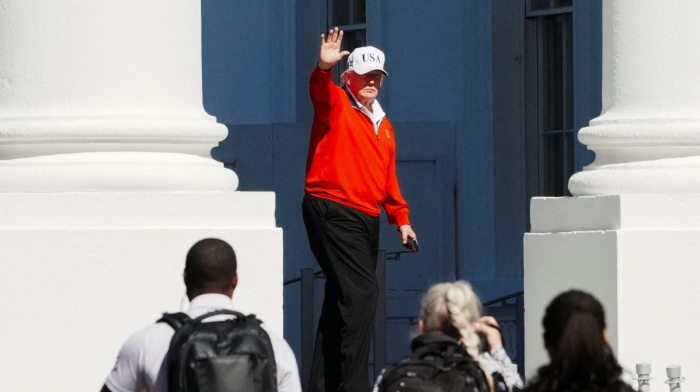
U.S. President Donald Trump has said that the U.S is in talks with the new Iranian regime. He said this in a post on his Truth Social account but warned that the U.S. will "Obliterate" Iran's electric and oil facilities if no deal is reached, especially regarding the Strait of Hormuz closure.
Iran’Iran’s Foreign Minister, Abbas Araghchi, has rejected an offer of negotiations from the U.S. President, Donald Trump, amid the ongoing Israel–U.S. war with Iran, describing the proposal as a “contradiction” in Washington’s words and actions.
The United Arab Emirates has told the U.S. and other Western allies that it is willing to participate in a multinational maritime taskforce aimed at reopening the Strait of Hormuz, the Financial Times reported on Friday, citing people familiar with the matter.
There’s little indication that recent developments between the United States and Iran have shifted either side’s core positions, according to political analyst James Dorsey who spoke to AnewZ on the Daybreak programme.
As conflict continues to unsettle the Middle East, airlines are being forced to make difficult, fast-moving decisions - redrawing flight paths and searching for safe skies. Amid this uncertainty, Azerbaijan has emerged as a crucial gateway linking Europe and Asia.
Four weeks into the U.S.-Israel war on Iran, military and civilian officials have strongly warned of immediate tit-for-tat attacks against U.S. targeting of its power plants in reaction to blocking of the strategic waterway of Strait of Horumz.
Ankara has conveyed “friendly advice” to the Iranian leadership in an effort to avert a wider war in the Middle East, Turkish Foreign Minister Hakan Fidan said on Thursday in the Qatari capital, Doha.
Iranian attacks have wiped out 17% of Qatar’s liquified natural gas export capacity (LNG), equivalent to $20 billion in lost annual revenue, the CEO of Qatar’s state-owned energy company, Saad al-Kaabi said on Thursday (19 March).
The ongoing conflict involving Iran is set to disrupt global travel on a massive scale, with nearly 28 million outbound trips from the Middle East at risk this year, according to Oxford Economics.
Transport groups across the Philippines launched a nationwide strike on Thursday in protest against rising oil prices. The action affected 15 to 20 protest centres in Metro Manila, with similar demonstrations taking place across several major provinces.
Israel’s assassination of Iran’s security chief, Ali Larijani, is unlikely to pose a significant challenge to Tehran, Iranian foreign policy analyst Mohammad Khatibi told AnewZ’s Context on Tuesday (17 March).
China has announced it will provide emergency humanitarian assistance to Iran, Jordan, Lebanon and Iraq, as a widening conflict in the Middle East drives increasing civilian suffering and displacement across the region.
U.S. President Donald Trump on Tuesday (17 March) announced that he is postponing a highly anticipated trip to Beijing to meet Chinese President Xi Jinping, citing the war with Iran as the main disruption to efforts to ease tensions between the world’s two largest economies.
The war in the Middle East is beginning to disrupt the flow of critical medicines to Gulf countries, raising concerns about the supply of cancer treatments and other temperature-sensitive drugs, according to pharmaceutical industry executives.
You can download the AnewZ application from Play Store and the App Store.