live Iran's speaker addresses Baku meeting as U.S., Iran pursue peace talks
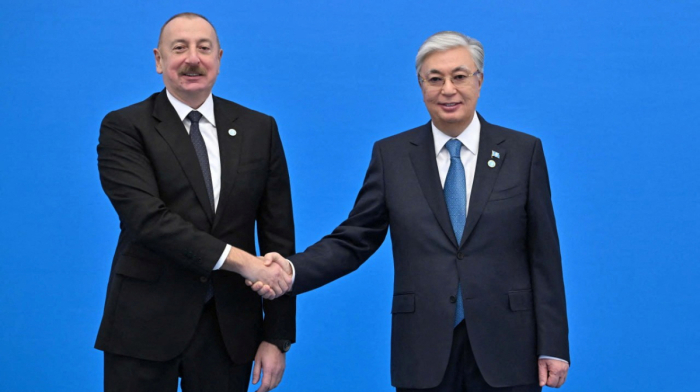
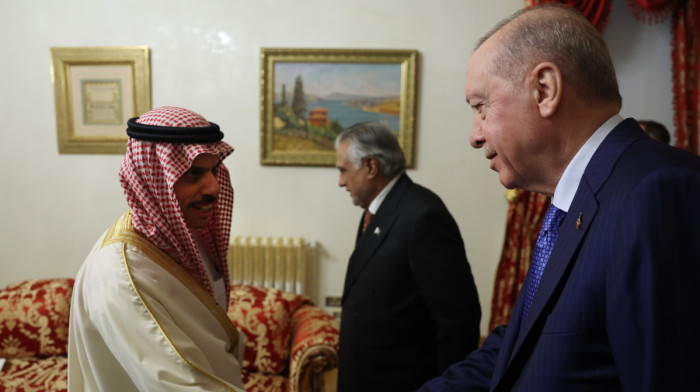
Iran’s parliamentary speaker said on Wednesday regional countries alone should determine the Middle East’s political and security order, rejecting...
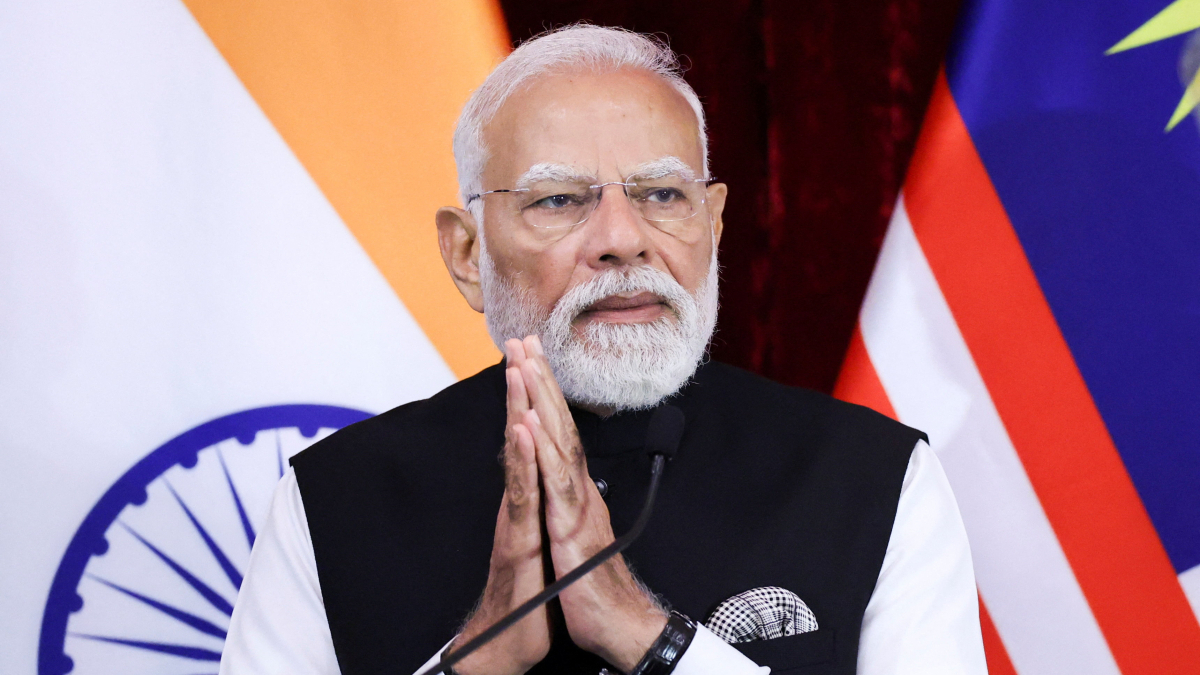
Indian Prime Minister Narendra Modi will visit five countries, including the United Arab Emirates and several European states, from 15–20 May, as rising oil prices driven by the Middle East conflict puts pressure on India’s foreign reserves, the Foreign Ministry said.
Modi will first travel to the UAE on Friday (15 May), before heading to the Netherlands, Sweden, Norway and Italy.
The visit comes after Modi called for austerity measures at home, including fuel conservation, reduced imports and gold purchases, as well as cuts in non-essential travel, in response to rising energy costs that are weakening India’s economic buffers.
Following his remarks, Indian equity markets fell, while the rupee recorded its sharpest decline in over a month, closing at a record low.
As a major net importer of energy, India remains highly exposed to higher oil prices, which risk widening its current account deficit, slowing economic growth and fuelling inflation.
In the UAE, Modi is expected to meet President Sheikh Mohammed bin Zayed Al Nahyan to discuss bilateral relations, with a particular focus on energy cooperation, alongside wider regional and international developments of mutual concern.
The European leg of the tour is aimed at strengthening trade and investment ties, building on momentum from a recently concluded India–EU trade agreement.
At least thirteen people have died and sixty-six have been injured following an explosion at Qatar's main liquefied natural gas (LNG) processing hub at Ras Laffan, authorities said on Sunday.
Tehran has agreed to let the International Atomic Energy Agency (IAEA) recommence inspections of its nuclear programme, U.S. Vice President JD Vance has said. The U.S. and Iran have settled on a 60-day roadmap aimed at reaching a final deal, according to mediators Qatar and Pakistan.
A Ukrainian strike has damaged a school building in a Russian-controlled area of Ukraine’s Zaporizhzhia region, according to local authorities cited by the TASS news agency. No injuries were reported in the incident.
Three students have been killed and at least seven injured after two of their peers opened fire in a high school in the Philippines, police said. A spokesperson for the police said the two suspects, aged 14 and 15, had been arrested and a police pistol confiscated. Bullying is a possible motive.
British Prime Minister Keir Starmer announced he will step down as Prime Minister and Labour Party leader in a tearful address outside Downing Street in London on Monday. Starmer's resignation comes two years after he won a landslide election victory.
Critical minerals are becoming a key battleground in the growing economic rivalry between the G7 and China, as governments seek to secure supplies vital to the energy transition and advanced manufacturing.
Ebola cases in the Democratic Republic of Congo have surpassed 1,000, with health officials warning that the outbreak is spreading rapidly through displacement camps and across borders.
A North Korean soldier has been taken into custody by South Korean forces after crossing the heavily guarded border between the two countries, in what officials believe may be a defection.
NATO Secretary-General Mark Rutte is set to meet U.S. President Donald Trump at the White House on Wednesday (24 June) as the alliance faces growing pressure over the war with Iran and uncertainty about the future of American troops in Europe.
Start your day informed with the AnewZ Morning Brief. Here are the top stories for 24 June, covering the latest developments you need to know.
You can download the AnewZ application from Play Store and the App Store.
What is your opinion on this topic?
Leave the first comment