Azerbaijan to showcase post-conflict urban development at World Urban Forum
The 13th edition of the World Urban Forum, due to begin in Baku on Sunday (17 May), is an ideal opportunity for Azerbaijan to show the world what s...
India has purchased crude oil from Iran for the first time in seven years, as supply disruptions in the Middle East threaten global energy markets.
The deal comes amid the ongoing conflict involving the U.S. and Israel, which has disrupted shipments through the Strait of Hormuz.
According to India’s Ministry of Petroleum and Natural Gas, refiners have secured Iranian crude without any payment issues, easing fears over energy shortages.
“Amid Middle East supply disruptions, Indian refiners have secured their crude oil requirements, including from Iran. India imports crude oil from 40-plus countries, with companies having full flexibility to source oil from different sources and geographies based on commercial considerations,” the ministry said in a statement on X.
India had not received oil from Tehran since May 2019, following U.S. pressure on buyers to avoid Iranian crude. However, the recent war has forced Washington to temporarily lift sanctions on Iranian oil and refined products to ease global shortages.
The shipment is part of a broader effort to ensure India’s energy needs are met over the coming months. The ministry confirmed there were no obstacles in payment, dismissing rumours to the contrary.
India has also imported 44,000 metric tonnes of Iranian liquefied petroleum gas (LPG) on a sanctioned vessel, which arrived at the western port of Mangalore this week.
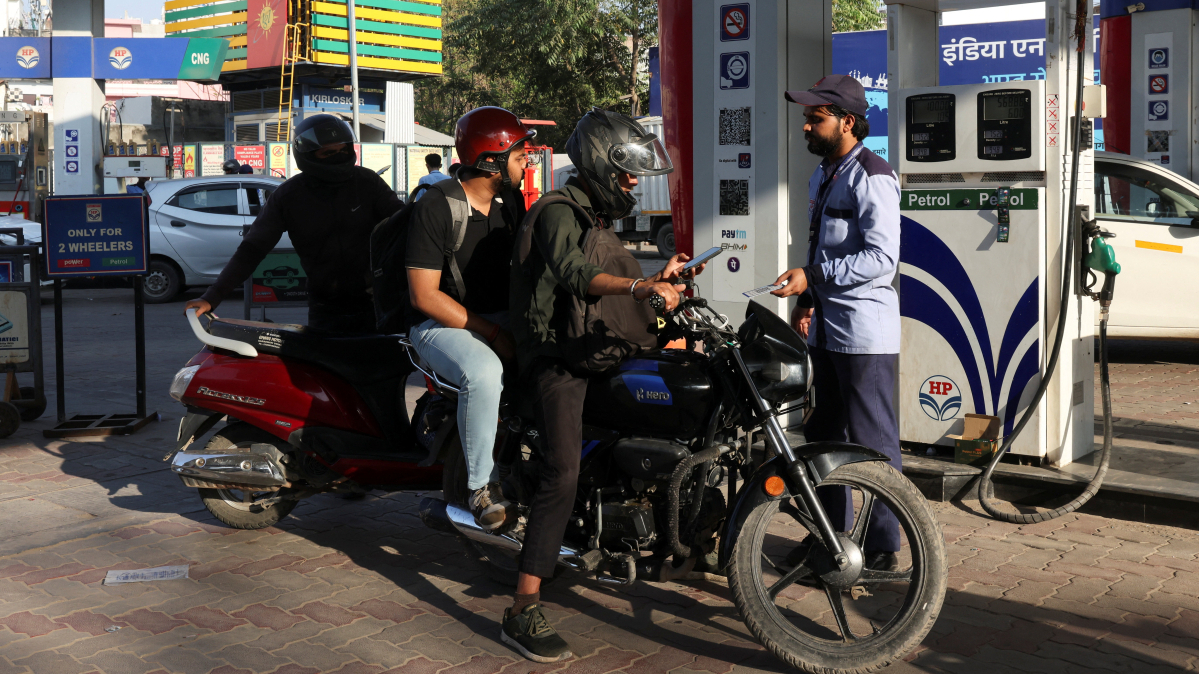
The country has faced significant domestic challenges due to the global energy crunch. Delays in LPG supply have led to hoarding and illegal sales, with some cylinders being sold at almost double the usual price.
Authorities have acted swiftly, conducting more than 12,000 raids and seizing over 15,000 cylinders to curb profiteering.
The government has urged consumers to avoid panic buying, make use of digital booking platforms, and consider alternative energy options such as piped natural gas or electric and induction cooktops.
Officials also emphasised energy conservation to help manage demand during this turbulent period.
With the Iranian crude now arriving, India says it is confident that its energy supply for the coming months is fully secured, a move that could offer some relief to consumers and industries alike.

The U.S.-Israeli war with Iran loomed over U.S. President Donald Trump's visit to China, as signs emerged that the conflict is causing a shift in alliances across the Middle East.
When Donald Trump boarded Air Force One for Beijing on Tuesday, he brought two cabinet members whose presence in China would have seemed unlikely a year ago, highlighting an unusual moment in U.S.–China relations.
Iran’s Foreign Minister Abbas Araghchi said Tehran has “no trust” in the United States and will only consider negotiations if Washington shows seriousness. His remarks came as talks on Iran’s nuclear programme continued, with Trump and Xi also opposing Iran acquiring nuclear weapons.
A new trilateral energy partnership involving Uzbekneftegaz, Azerbaijan’s state oil company SOCAR and BP has been announced during Uzbekistan Energy Week 2026 in Tashkent.
The Eurovision Song Contest opened in Vienna on Tuesday amid heightened political tensions, as Israel competed in the first semi-final despite a boycott by five European broadcasters over the war in Gaza.
Uzbekistan has launched a nationwide environmental initiative titled ‘Day Without Cars’, which will take place twice a month as part of efforts to improve air quality and reduce vehicle emissions.
The thirteenth session of the World Urban Forum will open in Baku on Sunday, bringing together government representatives, city leaders, urban planners, international organisations, businesses and civil society to discuss the future of sustainable urban development.
Central Asia is entering a period of acute water stress as glacier melt accelerates and ageing infrastructure wastes up to 40% of water supplies, fuelling concerns over food security and regional stability.
Baku is hosting the 13th session of the World Urban Forum (WUF13), bringing together political leaders, urban planners, architects and development experts as cities worldwide face mounting pressure from climate change, rapid urbanisation and housing shortages.
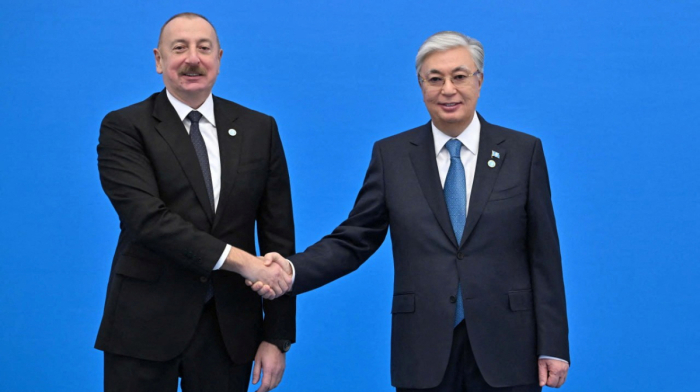
President of Azerbaijan Ilham Aliyev is participating in the informal summit of the heads of state of the Organization of Turkic States (OTS) in Turkistan, Kazakhstan, on 15 May. The summit focuses on regional cooperation, digital development and transport connectivity.
You can download the AnewZ application from Play Store and the App Store.
What is your opinion on this topic?
Leave the first comment