Widely recognised as the world’s oldest oil exporter, Azerbaijan will showcase its renewed efforts to combat climate change on Friday as it hosts the 2026 World Environment Day conference in partnership with the UN.
The event in Baku will focus on climate change at a time when the world is on track to exceed the internationally agreed 1.5°C warming limit.
Ahead of the conference, UN Secretary-General António Guterres stressed the need to keep temperature increases as low as possible by slashing greenhouse gas emissions.
“The past eleven years have been the eleven hottest on record. And the damage goes far beyond rising temperatures - from polluted air to degraded land, collapsing ecosystems, and vanishing biodiversity. Harming health, destroying homes and deepening hunger.
“The world is heading for a temporary overshoot above 1.5 degrees. Every fraction of a degree brings greater harm - especially to the most vulnerable.
“Our task is to make that overshoot as small, as short, and as safe as possible - and rapidly bring temperatures back down. That means slashing emissions.”
Guterres highlighted the importance of transitioning from fossil fuels to renewable energy and cutting methane emissions in the fight against climate change.
Azerbaijan's green efforts
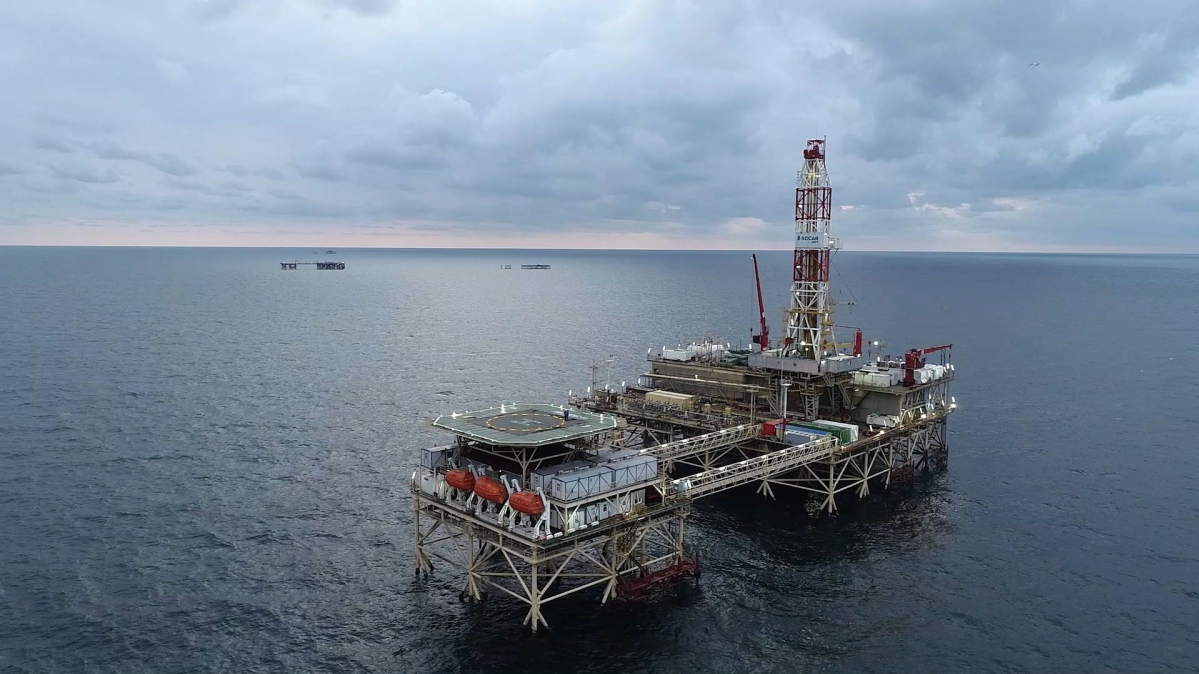
Azerbaijan’s state energy company, SOCAR, has taken steps to tackle methane leaks from Soviet-era oil and gas facilities. The company uses gas-imaging cameras and drones equipped with methane-detecting sensors to identify leaks.
Methane, the primary component of natural gas, is responsible for around a third of the global warming being experienced today.
Hikmat Abdullayev, SOCAR’s Deputy Vice-President for Energy Transition, Environment and Decarbonisation, said reducing methane leakage was a “no-brainer.”
“Whatever emissions you reduce, you’re putting back into the system and you can sell them. In the long run, there’s a clear benefit from it.”
In November 2025, Azerbaijan updated its climate action plan and committed to increasing the share of energy generated from renewable sources to 30 per cent by 2030.
The country now expects to surpass that target and generate up to 39 per cent of its electricity from clean energy sources.
“You can drill as many wells as you want but sooner or later your production is going to go down,” Abdullayev said.
“With renewables it’s not like that. As long as you clean your solar panels, they’re going to deliver.”















What is your opinion on this topic?
Leave the first comment