China is emerging as one of the more stable economies amid the latest global oil shock, thanks to years of planning, diversified energy sources and a steady shift towards renewable power.
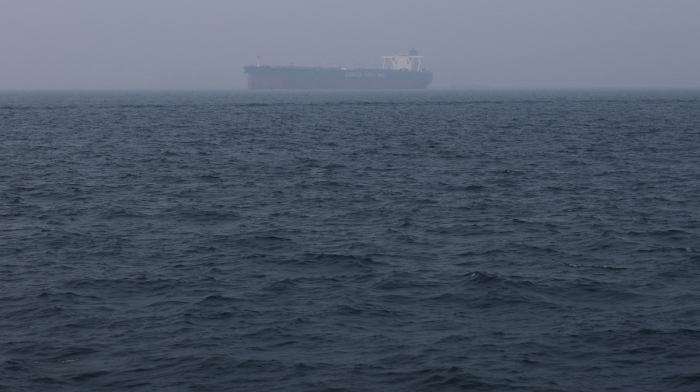
The current crisis was triggered by rising geopolitical tensions in the Middle East, disrupting oil supplies and pushing global crude prices sharply higher. Many countries have felt the impact quickly, with stock markets falling and currencies weakening. China, however, has held up relatively well. Its stock market has seen smaller declines, while its currency has remained largely stable compared with other major economies.
China has been preparing for this kind of situation for years. The government has built up large strategic petroleum reserves, which act as an emergency buffer when global supplies are disrupted. At the same time, it has avoided relying too heavily on any single country for oil, instead importing from a broad range of partners while boosting domestic production.
According to analysis from Goldman Sachs, another key factor behind China’s resilience is its reduced dependence on oil. Over time, the country has invested heavily in renewable energy sources such as solar and wind, which now account for a growing share of its electricity generation. This means that when oil prices rise, the overall economic impact is less severe.
Estimates suggest the current oil shock could reduce China’s economic growth by around 0.2 percentage points. While still a negative effect, this is significantly smaller than the impact expected in some other major economies, including the U.S.
From a domestic perspective, experts say this stability reflects long-term planning rather than short-term reaction. Speaking to AnewZ, Professor Xu, a Beijing-based financial expert, said: “China has spent the past decade building buffers against precisely this kind of external shock. This includes strengthening energy reserves, diversifying import sources and investing heavily in alternative energy. As a result, the country is now better positioned to absorb sudden disruptions in global markets.”
This dual-track strategy - securing traditional energy supplies while rapidly developing alternatives - has helped China reduce its exposure to sudden price swings in global oil markets. It has also supported investor confidence at a time of heightened global uncertainty.
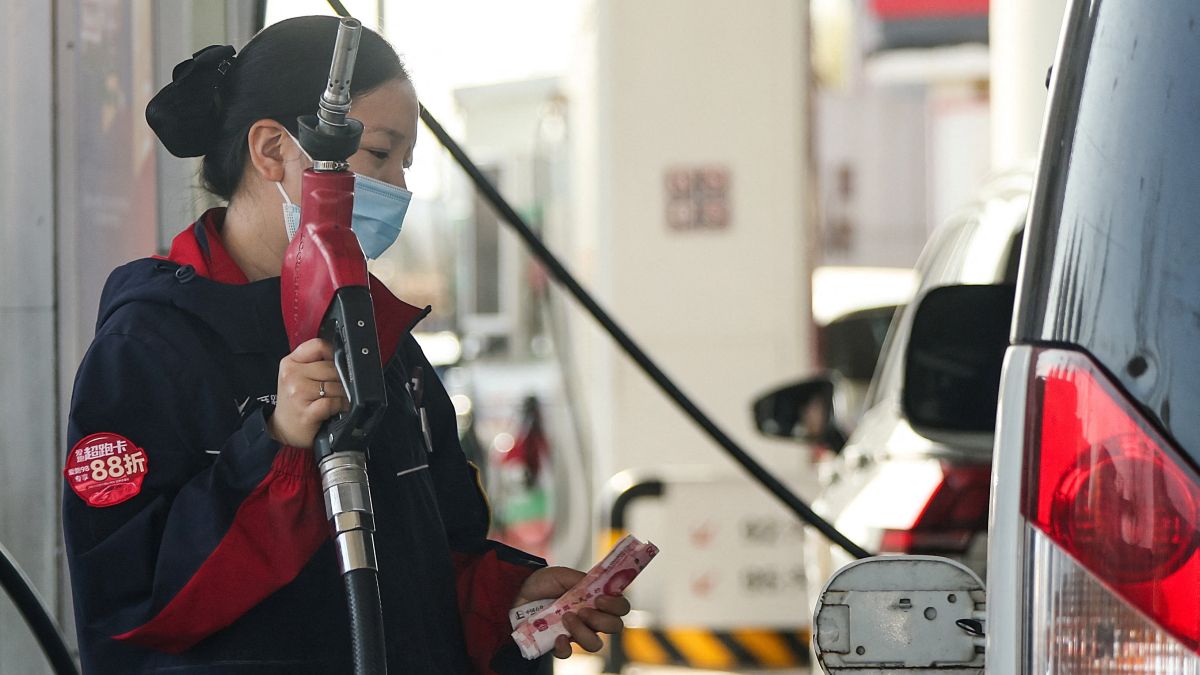
However, risks remain. China is still the world’s largest importer of crude oil, meaning it cannot fully escape the effects of high prices. If elevated prices persist, they could raise costs for manufacturers, squeeze company profits and eventually weigh on consumer spending.
Even so, China’s preparation appears to be paying off. At a time of global energy instability, the country is increasingly seen by some investors as a relatively safe place to weather the storm, underscoring the value of long-term energy planning in an unpredictable world.















What is your opinion on this topic?
Leave the first comment