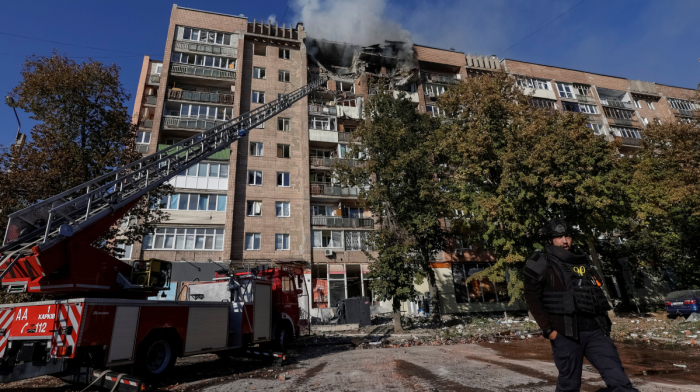
Urbicide is as much about destroying a community’s identity as it is about destroying its physical space, according to a new study examining the cities of Grozny in Chechnya, Aghdam in Azerbaijan and Aleppo in Syria.
The study, published in the Journal of Urban Affairs, found that the destruction of historically and culturally significant cities can serve as a political message, emphasising the victory of one side over another.
Destruction beyond the battlefield
The authors described urbicide as the intentional destruction of urban areas, the forced displacement of populations and the loss of historically and culturally significant buildings. They said the three cities examined held symbolic value for competing sides in their respective conflicts.
Grozny was the centre of the Chechen independence movement. Aleppo is one of the world’s oldest continuously inhabited cities, while Aghdam holds strategic and cultural importance for Azerbaijan in the Garabagh region.
Rebuilding after conflict
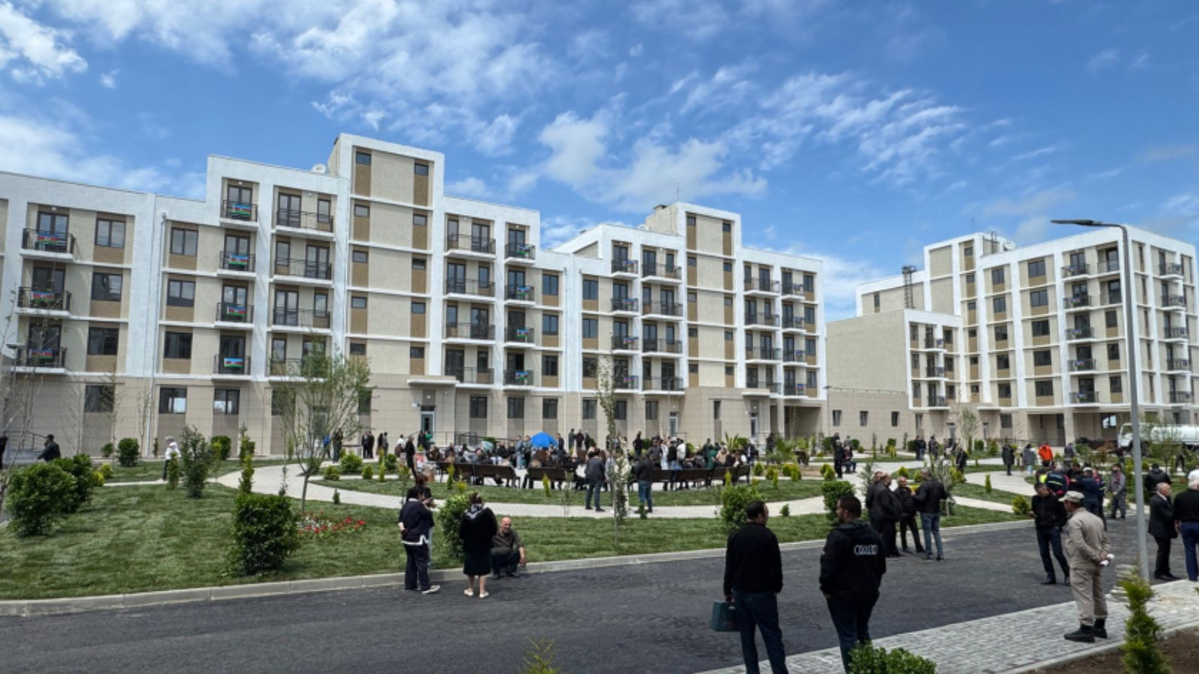
Farid Shafiyev, Chairman of the Centre of Analysis of International Relations, said Azerbaijan had been forced to rebuild an area in the Garabagh region comparable in size to Lebanon.
“For those 26 years of occupation, between 1994 and 2020, those territories were completely destroyed.
“And Azerbaijan, after the liberation of those territories in 2020, the Azerbaijan side found that those territories, the whole infrastructure, completely destroyed, erased. Not only the buildings, but pipelines. You know, [the] sewage system, everything.”
Preventing return
The study’s authors also highlighted what they described as a new phenomenon, whereby cities are deliberately kept in an uninhabitable state after fighting has ended in order to prevent displaced residents from returning.
Shafiyev said this method had been observed in Garabagh, where cities were destroyed after the conflict had ended.













What is your opinion on this topic?
Leave the first comment