A large diplomatic delegation is touring Azerbaijan’s Garabagh and East Zangezur regions, observing reconstruction projects and memorial sites tied to recent conflicts. The visit highlights both infrastructure development and unresolved humanitarian issues raised by officials.
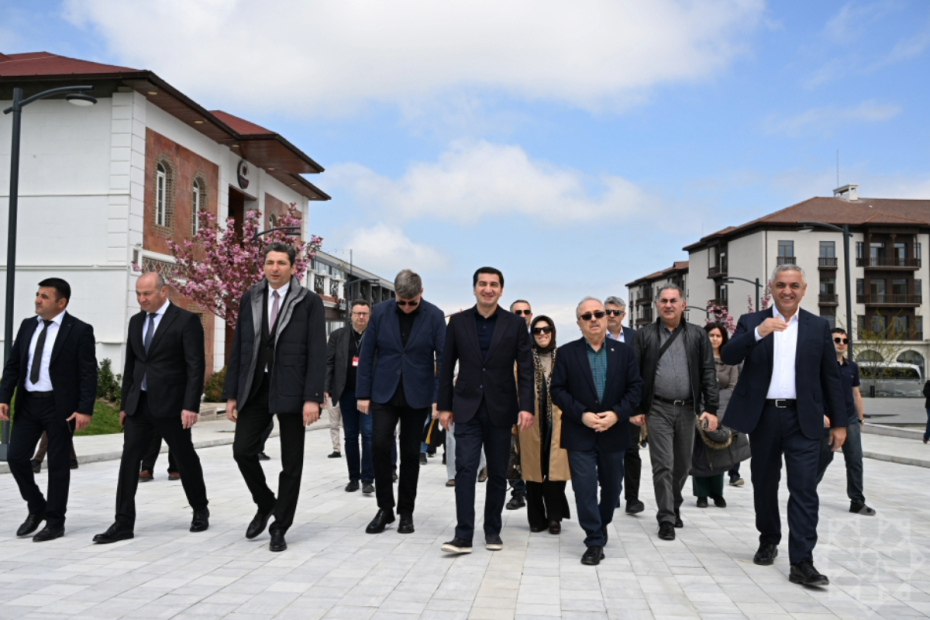
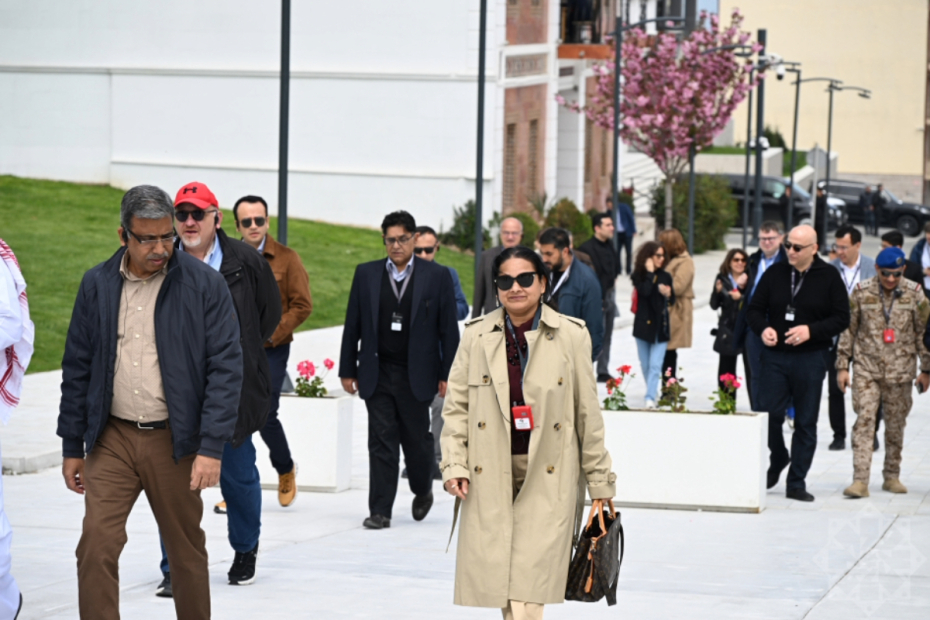
More than 150 ambassadors, diplomats, and military attachés from 62 countries and international organisations are currently visiting Garabagh and East Zangezur as part of a two-day mission.
The delegation is accompanied by Hikmat Hajiyev, Assistant to the President of Azerbaijan and Head of the Foreign Policy Affairs Department.
The programme covers Khankendi, Khojaly, Shusha, and Lachin, focusing on post-conflict reconstruction, educational initiatives and sites linked to the region’s recent history.
Historical remembrance in Khojaly
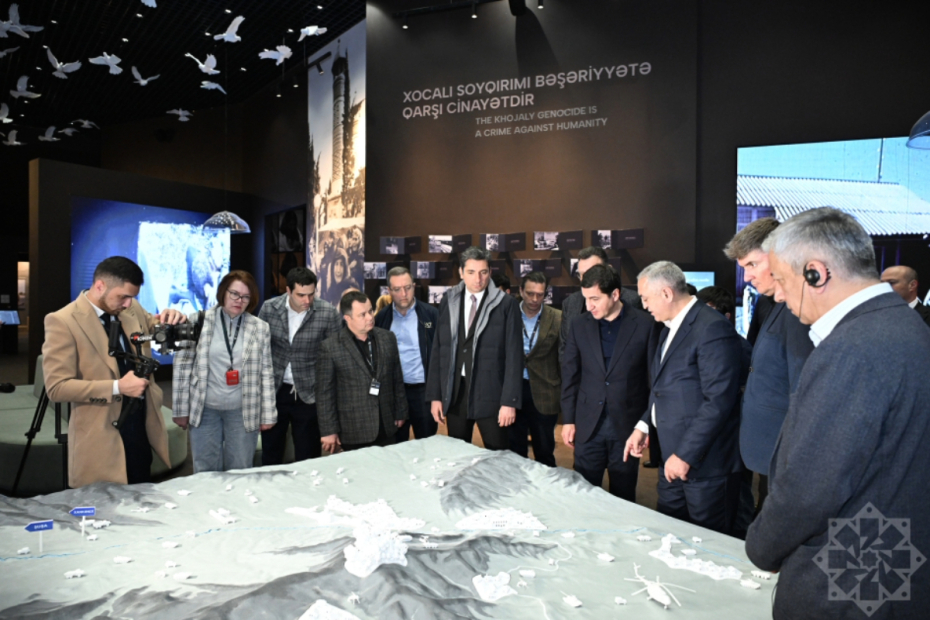
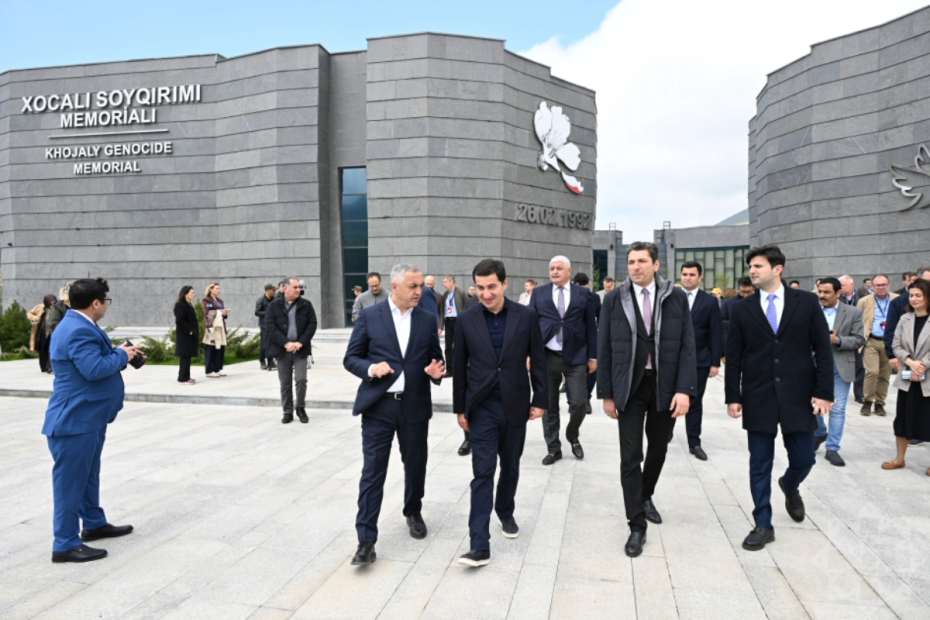
The visit began in Khojaly, where participants paid tribute at the memorial complex dedicated to victims of the tragedy.
Officials noted that the memorial, established by presidential order in 2025 and based on a concept by the Heydar Aliyev Foundation, aims to preserve historical memory and pass documented facts to future generations.
Victory Park in Khankendi highlights post-war narrative
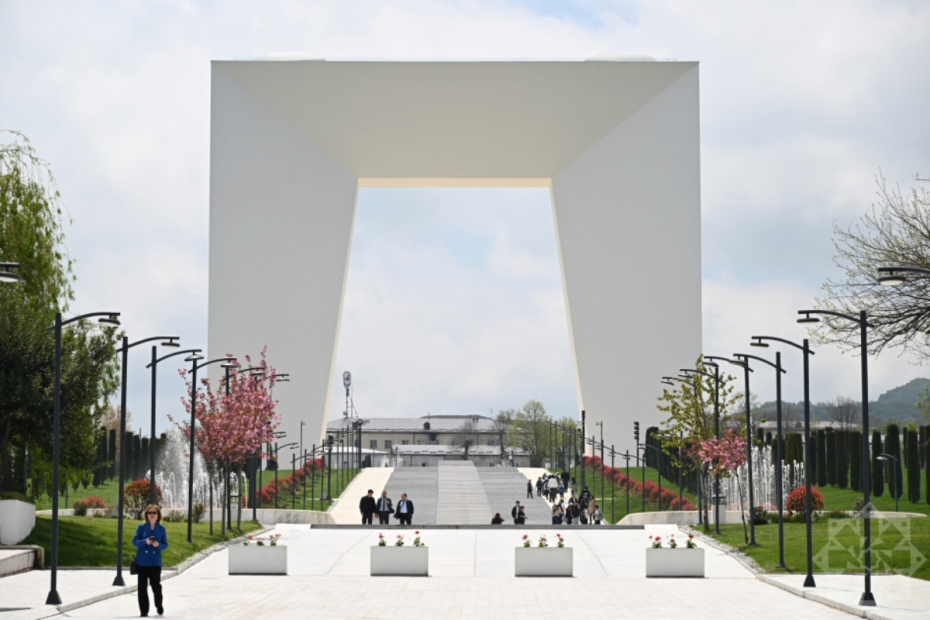
The delegation continued to Khankendi, where they visited Victory Park, reflecting Azerbaijan’s territorial integrity and the outcome of the 44-day Patriotic War.
The 9-hectare park includes 44 steps symbolising the duration of the war, leading to a 44-metre Victory Arch.
The site also features informational panels covering liberated territories and the 2023 anti-terror operations.
Karabakh University as a development hub
Another key stop was Karabakh University in Khankendi, where guests were briefed on upcoming educational and socio-economic initiatives.
"For 30 years, Garabagh was associated with war, conflict, and bloodshed. However, while preserving the memory of past tragedies, including the Khojaly genocide, we look to the future, the peaceful future of Azerbaijan and the South Caucasus as a whole," Hikmat Hajiyev stated.
The presidential aide added that Azerbaijan has consistently prioritised good neighbourly and peaceful relations in its foreign policy.
"However, because we were in a state of conflict with Armenia, it was not possible to fully realise this priority. But today I can say that friendly and good neighborly relations have been established between Azerbaijan and all its neighbors, including Armenia," he emphasised.

Missing persons issue highlighted
During the visit, Hikmat Hajiyev highlighted ongoing humanitarian issues, stating that the fate of around 4,000 Azerbaijani citizens remains unknown.
“For nearly three decades, Azerbaijan has been awaiting clarification on the fate of thousands of missing persons, whose families continue to seek answers,” said Hajiyev.
He noted that while the International Committee of the Red Cross has gathered some information, the issue remains unresolved.
Hajiyev also stated that cases related to persons of Armenian origin detained in Azerbaijan are handled in accordance with national legislation and judicial procedures.
Addressing post-conflict risks, he emphasised that mine contamination continues to pose a serious threat, with more than 420 Azerbaijani citizens killed or injured in mine explosions since 2020.
Criticism of European Parliament
Hikmat Hajiyev also commented on the European Parliament’s recent resolution on Azerbaijan, calling it a “diplomatic disgrace.”
The resolution criticised Azerbaijan over the alleged detention of Armenian prisoners and reiterated support for Armenians from “Nagorno-Karabakh,” as well as calls for accountability regarding cultural heritage.
Rejecting the resolution, Hajiyev stated: "The resolution adopted by the European Parliament is not legally binding for Azerbaijan. Azerbaijan is undertaking steps to ensure peace and security in the region, and advance the normalisation process with Armenia."
He warned that such actions risk undermining diplomatic efforts: “destructive, provocative, and a step toward dragging the region back into war.”
Continued programme
The second day of the mission will include visits to Shusha and Lachin districts, where ongoing reconstruction and restoration projects will be showcased.









What is your opinion on this topic?
Leave the first comment