



11:14 CET
Spanish politics
Spanish PM Sánchez calls snap election
Spain's Prime Minister Pedro Sánchez on Monday calle...
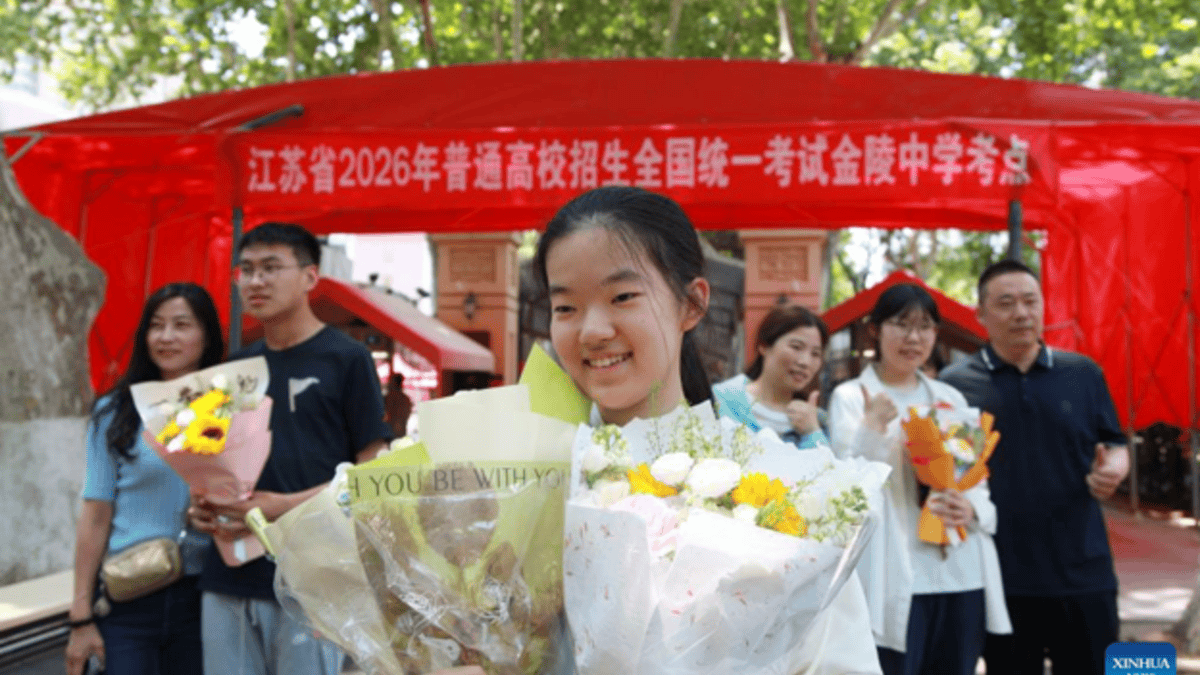


Every June, roughly 13 million young people in China sit down at the same time to take the same test. They have been preparing for it, in many cases, since primary school. Their families have rearranged their lives around it.
Some have moved cities to be closer to better schools and others have given up hobbies, social lives, and sleep. For two days, everything stops - and the gaokao begins.
The gaokao, China's national university entrance exam, is one of the most consequential tests in the world. A single score determines which university a student can attend, and in a country where the name of your university still shapes how employers, relatives, and society at large see you, the stakes are almost impossible to overstate. It is not just a test: it is a tool that shapes families, careers, and the nation itself, touching on themes of meritocracy, the tension between equality and advantage, and the state's reliance on education to reinforce its own legitimacy.
This year, 12.9 million students sat the gaokao - the second consecutive year the number has declined. The fall partly shows China's shifting demographics, with a smaller generation of young people coming through the school system.
To understand why the gaokao matters so deeply, you have to understand where it came from. China has a tradition of competitive examination stretching back more than a thousand years - the imperial civil service exam that once determined who could serve the emperor and, therefore, who could rise in society. The enduring belief that knowledge can alter one's destiny has persisted for centuries. When Chinese parents push their children to study harder, they are drawing on a very deep well of cultural memory.
For students from poorer families (especially those from rural areas), the gaokao has long represented something genuinely meaningful, a chance to compete on equal terms. A student from a rural background who does well in the gaokao can gain admission to a prestigious university, significantly improving their prospects for future employment and social status. In a country where connections, geography and family wealth still shape opportunities in countless informal ways, the gaokao is one arena where none of that is supposed to matter. Only the score counts.
The pressure the exam creates is also real and well documented. Studies have found that gaokao students experience anxiety at a rate of 34%, depression at 28% and sleep disorders at 23% - figures that have risen over time. The two years leading up to the exam, known as the preparation period, are often described by students as the most intense of their lives - a sustained narrowing of existence to a single goal. Friendships, interests, and mental health all take a back seat. Dancers, painters, musicians, and others with creative aspirations frequently delay or abandon those paths entirely because of the demands of high-stakes test preparation.
And yet, for all the pressure it creates, the gaokao's promise is losing some of its lustre. University degrees have lost value in China as higher education has expanded dramatically - nearly everyone can now attend some form of college. Getting into a university is no longer the achievement it once was. Getting into the right university still matters enormously, but even a degree from a top institution no longer guarantees employment in a job market where competition is fierce and youth unemployment has been stubbornly high. In 2026, 3.72 million applicants competed for just 38,100 civil service positions as graduates increasingly turned to government jobs as a source of stability in an uncertain economy.
What the gaokao ultimately shows is something deep about how Chinese society thinks about fairness, opportunity, and the relationship between effort and reward. It is fair to say that it’s the closest thing China has to a universal promise - that if you work hard enough, the test will not lie.

Spain's Prime Minister Pedro Sánchez on Monday calle...

The leader of Yemen's Saudi-backed government announced the beginning of a major military operation against...

Iran says the Strait of Hormuz will remain closed until the United States meets seven conditions agreed under a June memorandum, as President...

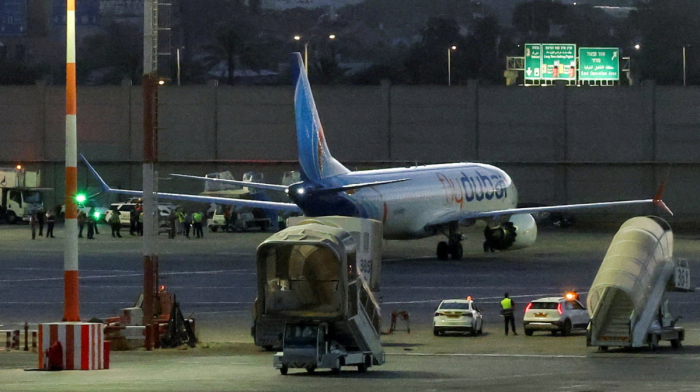
The co-pilot of Israel bound flydubai flight attempted to carry out a “terrorist attack” with an axe during the flight, the United Arab Emirates prosecutor general said on Saturday.
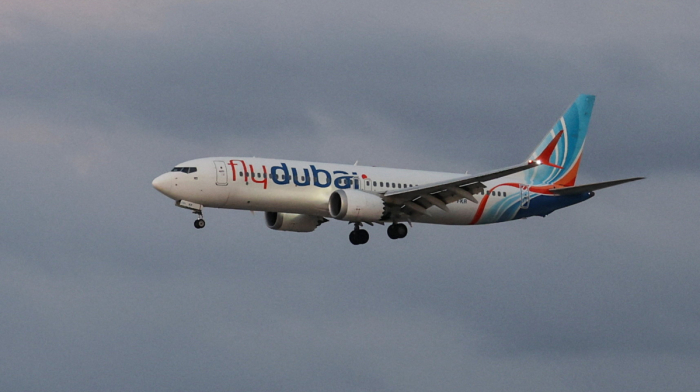
Hammam al-Hammami, the Flydubai co-pilot accused of stabbing the captain of an Israel-bound flight on Wednesday in a suspected terrorist attack, was banned from flying by Oman over concerns about his radical views, U.S. media reported on Friday, citing people familiar with the matter.
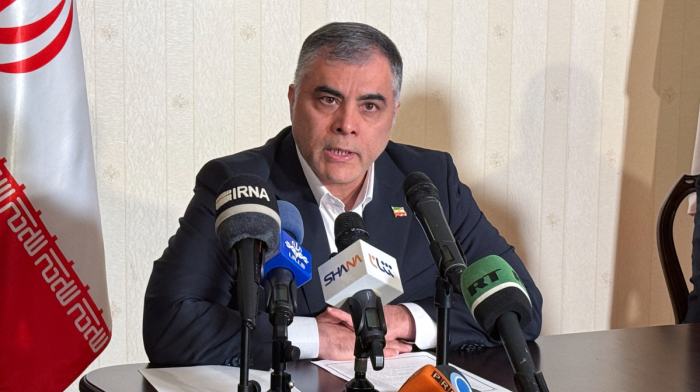
Iran's Oil Minister Mohsen Paknejad has resigned, with Hamid Bovard, chief executive of the state-owned National Iranian Oil Company (NIOC), appointed as acting oil minister, according to Iranian state media.
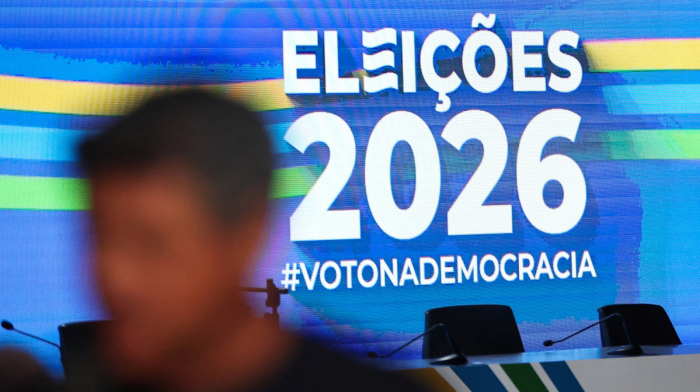
Right-wing Brazilian Senator Flavio Bolsonaro will face leftist President Luiz Inacio Lula da Silva in a runoff of the presidential election later this month, after he exceeded expectations in Sunday's first-round vote with a slight lead over the incumbent.
Iran says the Strait of Hormuz will remain closed until the United States meets seven conditions agreed under a June memorandum, as President Donald Trump signals he may soon decide whether to resume military operations against Tehran.
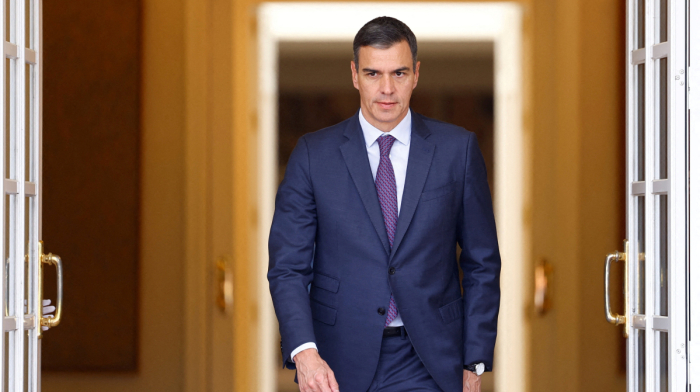
Spain's Prime Minister Pedro Sánchez on Monday called a snap election for 29 November in a bid to strengthen his mandate after a fragmented parliament rejected the government's key housing decrees last week amid widespread protests.
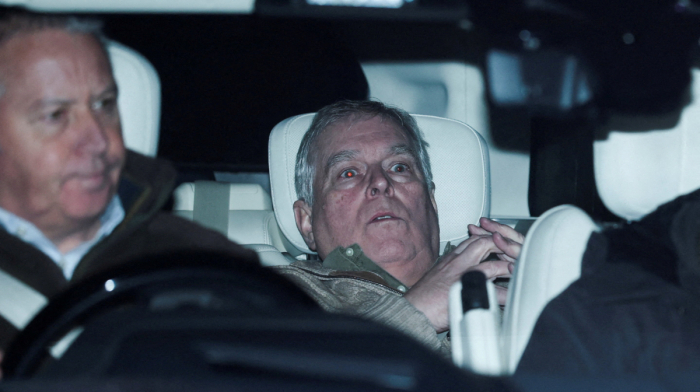
King Charles’ younger brother, Andrew Mountbatten-Windsor, has launched legal action against Thames Valley Police over his arrest in connection with an investigation into documents allegedly passed to late sex offender Jeffrey Epstein, the Telegraph reported on Sunday.
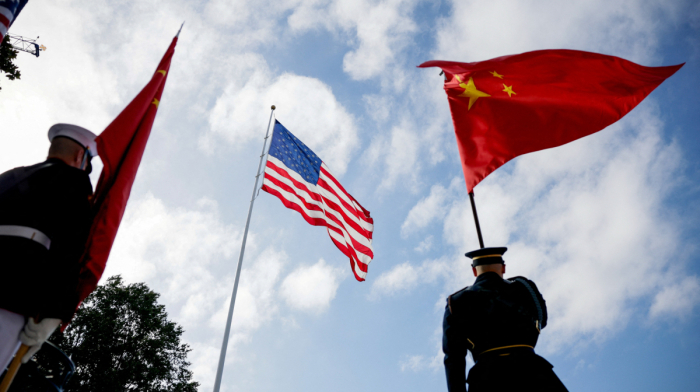
U.S. authorities have arrested a California woman accused of acting as an unregistered foreign agent for China and surveilling the son of Taiwan’s president, the FBI said.
Right-wing Brazilian Senator Flavio Bolsonaro will face leftist President Luiz Inacio Lula da Silva in a runoff of the presidential election later this month, after he exceeded expectations in Sunday's first-round vote with a slight lead over the incumbent.
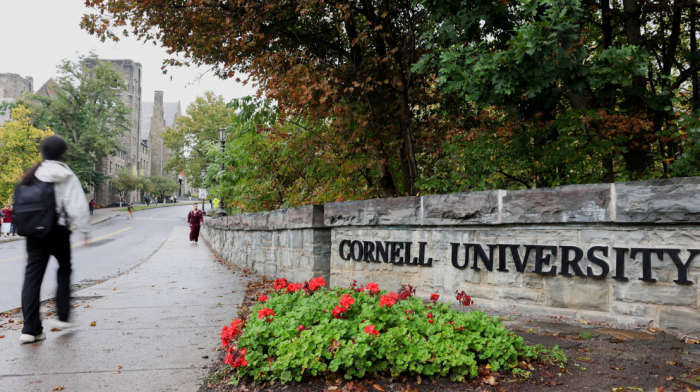
The woman who has accused members of a Cornell University fraternity of drugging and raping her has received threats aimed at pressuring her to abandon her legal case, according to her attorney, as public scrutiny of the university's handling of the allegations continues to grow.
You can download the AnewZ application from Play Store and the App Store.




What is your opinion on this topic?
Leave the first comment